Why Internal Roof Damage Often Escapes Routine Building Inspections

Routine building inspections are a standard part of property ownership and purchasing, but they are not designed to uncover every problem. While they provide a general overview of a property’s condition, they often miss specific roofing issues that develop inside the structure. Internal roof damage is one of the most common blind spots, and when it goes unnoticed, it can leave owners and buyers with significant financial risks.

Unlike a leaking tap or visible wall crack, roofing problems are rarely obvious from ground level or through a quick surface check. Issues hidden in insulation, under capping, or within the roof cavity can continue unnoticed for months or years. By the time water ingress, mould, or sagging ceilings appear, the problem has already advanced. This is why specialised assessments, such as a roof condition report, are often needed to catch what routine inspections miss.
What Building Inspections Typically Cover

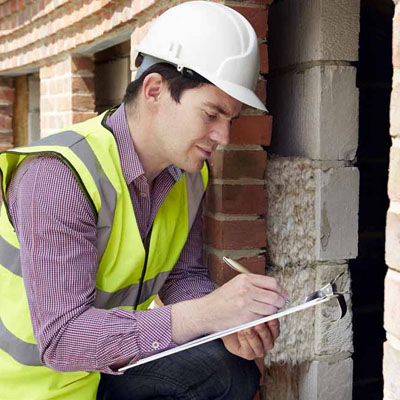
A routine building inspection provides a general overview of a property’s condition, but it is not an in-depth structural analysis. Inspectors typically check visible surfaces, fittings, plumbing, and electrical systems, looking for signs of deterioration or non-compliance. When it comes to the roof, the assessment usually involves a visual scan from ground level and, in some cases, a quick look inside the roof cavity. This limited approach is designed to identify obvious risks rather than provide a full evaluation.

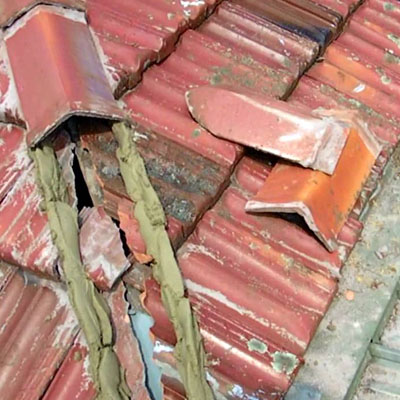
Because of this scope, many inspections only highlight problems that are visible without detailed testing. Loose tiles, rusted gutters, or clear signs of leaks may be noted, but hidden weaknesses within the roofing system are often left out. Internal roof damage requires closer investigation and often more specialised expertise, which is beyond the remit of a standard inspection. As a result, property owners may assume their roof is sound even when significant issues are developing out of sight.

Why Internal Roof Damage Often Escapes Routine Building Inspections

Why Internal Roof Damage Goes Unnoticed

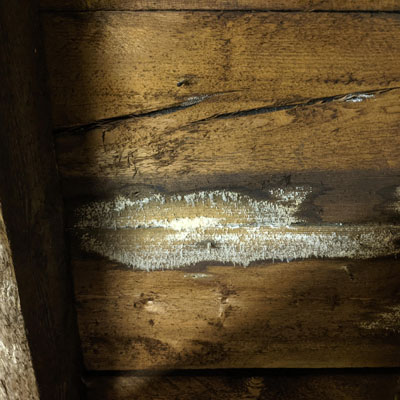
Internal roofing problems are difficult to detect without a focused assessment. They often develop slowly and remain hidden within the roof cavity or beneath surface materials, making them invisible during routine checks. These issues can cause significant harm long before they present as obvious leaks or visible stains.

  • Concealed leaks in insulation or cavities gradually soak materials without producing immediate ceiling drips. This moisture weakens timber and encourages mould growth.
  • Cracks beneath ridge capping or flashings cannot be seen from ground level. Water may seep in during storms, damaging structures without clear surface signs.
  • Moisture damage that has not reached ceilings often goes undetected. By the time the plaster shows discolouration, the problem has already advanced inside the roof.
  • Rust forming beneath coatings on metal roofing spreads internally before it is visible. This weakens sheets and shortens the overall lifespan of the roof.
  • Structural sagging in roof timbers develops slowly and may not be evident until internal stresses compromise ceilings or support beams.
Why Internal Roof Damage Often Escapes Routine Building Inspections

These hidden problems often escape routine inspections because they are not visible to the naked eye. Without the depth of a professional roof condition report, they remain unaddressed until they escalate into costly roofing damage.

Consequences of Overlooking Internal Roof Damage

When internal roofing problems are missed, they often escalate into expensive repairs. Moisture trapped inside the roof cavity can weaken insulation, rot timber framing, and cause ceilings to sag. These issues compromise not only the structure of the home but also its liveability, as mould growth and musty odours reduce indoor air quality. Electrical wiring exposed to damp conditions is another risk, creating potential hazards for occupants.

Financial consequences are just as serious. Buyers who rely solely on routine building inspections may inherit costly problems that were never disclosed. Landlords can face complaints from tenants when hidden leaks cause water ingress or mould, and insurers may reject claims if damage is considered pre-existing. Without a detailed assessment to identify internal roof damage early, property owners often pay more in urgent repairs than they would have spent on proactive maintenance.

Why Internal Roof Damage Often Escapes Routine Building Inspections

How a Roof Condition Report Provides Clarity

A routine building inspection may flag surface-level issues, but it rarely captures the full story of what is happening inside the roof. A professional roof condition report fills this gap by providing a focused, detailed assessment that reveals both visible and hidden risks.

  • Detailed structural assessment ensures that weak points in tiles, sheets, and timbers are properly recorded, even if they are not obvious to the eye.
  • Photo documentation and commentary give property owners clear evidence of any concerns, removing uncertainty about what repairs are required.
  • Identification of hidden roofing damage helps catch leaks, rust, or internal moisture issues before they spread further through the property.
  • Support for negotiations and claims allows buyers, sellers, or landlords to use the report as independent documentation when dealing with contractors or insurers.
  • Guidance for long-term maintenance offers a practical plan, so property owners know what needs to be addressed immediately and what should be monitored over time.
Why Internal Roof Damage Often Escapes Routine Building Inspections

This level of detail makes the difference between reacting to costly damage after it occurs and planning repairs before problems escalate. By investing in a professional report, property owners gain the clarity that routine inspections cannot provide.

Why Queensland Properties Are at Higher Risk

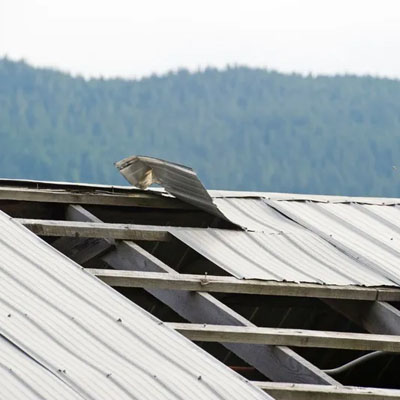
Queensland’s climate creates conditions where hidden roofing problems progress more quickly than in other regions. Constant heat weakens protective coatings, while humidity traps moisture inside cavities, accelerating mould growth and corrosion. When summer storms arrive, strong winds and heavy rainfall exploit even the smallest weaknesses. These combined pressures mean that internal roof damage can develop rapidly and remain undetected until it becomes costly.

For property owners in Brisbane, the Sunshine Coast, Moreton Bay, and the Gold Coast, this risk is especially significant. Routine building inspections may not identify these hidden vulnerabilities, leaving investors and homeowners unaware of what is happening inside the roof. A specialised roof condition report provides the detailed focus needed to keep properties resilient in Queensland’s demanding environment.

Why Internal Roof Damage Often Escapes Routine Building Inspections

Get the Full Picture with a Roof Condition Report

Relying only on a routine building inspection can leave property owners exposed to hidden risks. Internal roof damage often develops quietly, and by the time it becomes visible, repairs are far more costly. A specialised roof condition report gives you the insight needed to prevent unexpected expenses, protect your property’s value, and avoid disputes with tenants, buyers, or insurers.

If you own a home or investment property in Brisbane, the Sunshine Coast, Moreton Bay, or the Gold Coast, our team is here to help. Roof Inspection Reports provides photo-documented assessments that highlight both visible and hidden roofing damage. To arrange an inspection, call 0418 677 524 or click here to contact us online. With the right reporting, you gain certainty about your roof’s condition and peace of mind for the future.

FAQ: Internal Roof Damage and Building Inspections

Most building inspections only provide a surface-level assessment. Roofs are often checked from the ground or through limited access, which means internal roof damage may be missed.

Common signs include musty odours, ceiling stains, sagging plaster, or rust spreading beneath roof coatings. These often indicate hidden roofing damage.

Many issues develop inside the roof cavity or under surface materials. Moisture can weaken insulation and timbers without producing visible leaks until the damage is advanced.

Yes. A roof condition report provides detailed, photo-documented findings focused specifically on roof structure, materials, and performance, making hidden issues easier to detect.

Yes. Heat, humidity, and sudden storms all speed up deterioration. These conditions make it even more important to arrange roof reports alongside standard building inspections.