How Poor Roof Drainage Leads to Bigger Building Problems

Poor roof drainage is easy to dismiss when the roof is not actively leaking inside the building. Overflow may only happen during heavy rain, water may only pond in certain areas, or the signs may seem limited to staining, corrosion, or minor runoff issues around the property. The problem is that poor drainage can place ongoing stress on the roof system long before the full impact becomes obvious.

That is why roof drainage deserves closer attention than many property owners expect. The National Construction Code makes clear that roof and wall cladding provisions are intended to reduce the risk of rainwater entering the building and causing corrosion or other deterioration. When roof drainage is not working properly, the issue can extend beyond the roof itself and contribute to wider building damage over time.

What Poor Roof Drainage Actually Includes

Poor roof drainage is not limited to obvious blockages or overflowing gutters. It can also include roof areas that do not fall correctly, box gutters that do not drain as intended, outlets that are undersized or poorly positioned, transition points that hold water, and drainage paths that allow water to back up instead of moving away efficiently. In some cases, the issue is not a single defect but a combination of smaller problems that reduce how effectively the roof handles rain.

That is one reason drainage problems can be underestimated for too long. A roof may still shed most water during normal conditions while carrying weaknesses that only become obvious during heavier rain or repeated exposure over time. When that happens, the roof is no longer just dealing with runoff. It is dealing with water lingering where it should not, which is when bigger building problems can start to develop.

What Poor Roof Drainage Can Actually Look Like

Common Signs Roof Drainage Is Not Working Properly

Poor roof drainage does not always show up as a dramatic leak straight away. In many cases, the first signs are more subtle and appear as repeated overflow, water sitting where it should not, or gradual deterioration in areas exposed to ongoing moisture.

Common signs roof drainage is not working properly include:

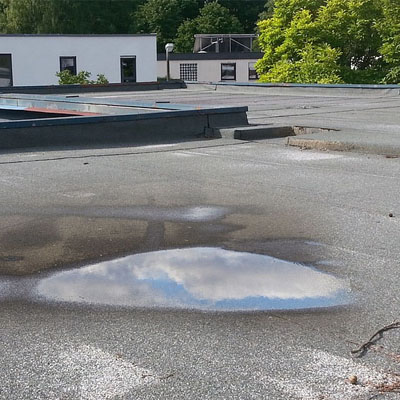
Water Can Pool On A Poorly Pitched Roof

These signs do not always mean the same defect is present, but they usually point to a drainage issue that deserves closer attention. When water is not leaving the roof as intended, the effects can spread well beyond the original problem area.

How Drainage Problems Lead to Bigger Building Issues

Drainage problems can lead to bigger building issues because water does not simply disappear when it fails to leave the roof properly. Instead, it tends to build up around vulnerable parts of the roof system, overflow into areas that were not meant to carry it, or remain in contact with building materials for longer than intended. Over time, that added moisture can contribute to corrosion, staining, material breakdown, and water entry into the building.

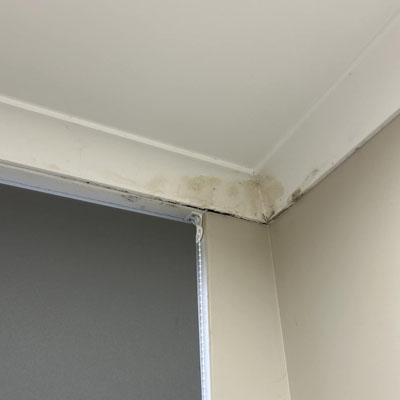
This is where the problem moves beyond the roof itself. Poor drainage can affect ceilings, walls, fascias, gutters, insulation, and other adjoining parts of the structure once moisture starts spreading outside the intended water path. What begins as a drainage defect on the roof can gradually turn into a broader building issue if it is left unchecked.

Drainage Problems Can Lead to Bigger Building Issues

Where Inspectors Commonly Find Drainage Defects

Drainage defects are often found in the parts of the roof where water flow is concentrated or where the drainage path relies on correct fall and detailing to work properly. These are usually the areas that deal with larger volumes of water or have less room for error when runoff slows down, backs up, or overflows.

Common places inspectors find drainage defects include:

  • Box gutters
  • Roof transitions
  • Valleys
  • Downpipe connection points
  • Overflow provisions
  • Areas where fall appears inadequate
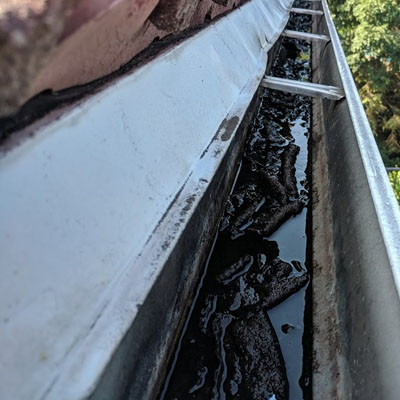
Inspectors Commonly Find Drainage Defects In Gutters

These parts of the roof tend to reveal whether water is being managed properly or whether it is beginning to collect, redirect, or stress the surrounding materials. That is why drainage-related issues are often identified in these locations during a closer roof assessment.

How a Roof Condition Report Helps Identify Drainage Risks

A roof condition report helps identify drainage risks by documenting the visible parts of the roof where water management appears to be falling short. Rather than relying on guesswork, it gives property owners a clearer picture of where drainage-related defects, overflow concerns, ponding, or moisture-related deterioration may already be affecting the roof system.

This can be especially useful when the signs are intermittent or seem minor on their own. A roof condition report helps bring those visible issues together in a way that makes it easier to understand whether the roof is simply ageing or whether drainage problems may be contributing to wider building risks.

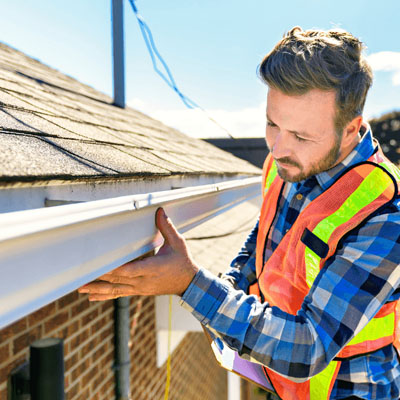
Roof Condition Report Helps Identify Drainage Risks

Booking a Roof Inspection Before Drainage Problems Spread

Poor roof drainage is easier to deal with when it is identified before repeated moisture exposure leads to larger repair costs or wider building damage. Getting the roof assessed early can help clarify whether water is being managed properly and whether visible drainage defects may be contributing to the problem.

At Roof Inspection Reports, we provide detailed roof condition reports across South-East Queensland to help property owners better understand visible roof defects and areas of concern. If you want clearer answers about drainage issues, overflow risks, or the condition of your roof, contact our team to arrange a roof inspection report.

FAQ: Poor Roof Drainage

Poor roof drainage can be caused by several issues, including inadequate fall, blocked outlets, box gutter defects, poor overflow provisions, drainage paths that hold water, or earlier work that has affected how runoff moves across the roof.

Yes. If water is not draining away properly, it can back up around vulnerable parts of the roof, overflow into areas it was not meant to reach, or remain in contact with materials long enough to allow water entry.

No. Gutters are part of the drainage system, but poor roof drainage can also involve box gutters, valleys, transitions, downpipe points, ponding areas, and parts of the roof where fall or water flow is not working properly.

Yes. Ongoing drainage problems can contribute to corrosion, staining, deterioration, moisture-related damage, and water entry that affects other parts of the building beyond the roof itself.

A roof inspection looks at the visible condition of the roof and the areas where drainage problems are most likely to occur. This can help identify signs of overflow, ponding, corrosion, staining, or other visible issues that point to drainage concerns.

Yes. A roof condition report can help document visible drainage-related defects and areas of concern, making it easier to understand whether the roof is showing signs of poor water management or related damage.