How Fascia Problems Can Point to Larger Roof Drainage Issues

Fascia problems are often treated as a small maintenance issue, especially when the damage appears limited to peeling paint, swelling, rust, or surface deterioration along the roof edge. In many cases, though, fascia damage is not just about the fascia itself. It can be an early sign that water is not draining off the roof as cleanly as it should, or that the guttering and roof edge are being exposed to repeated moisture in ways they were not designed to handle.

That is what makes fascia worth looking at more closely in the context of roof drainage. When overflow, poor runoff control, blocked gutters, or drainage stress keep affecting the same edge of the roof, the fascia is often one of the first places where that pattern starts to show. Instead of treating it as an isolated defect, it can be more useful to look at what the fascia condition may be revealing about the way water is being managed across the roof edge.
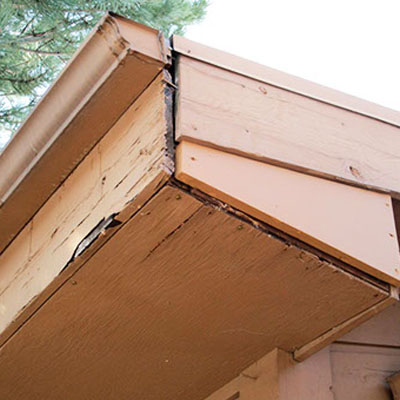
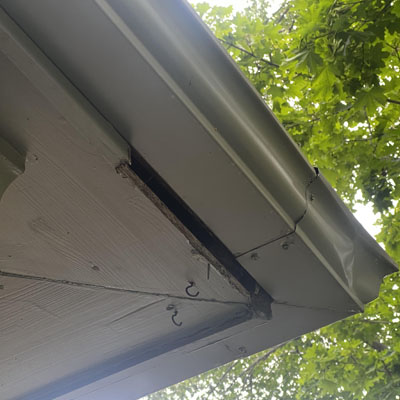
What Fascia Damage Can Reveal About Roof Drainage

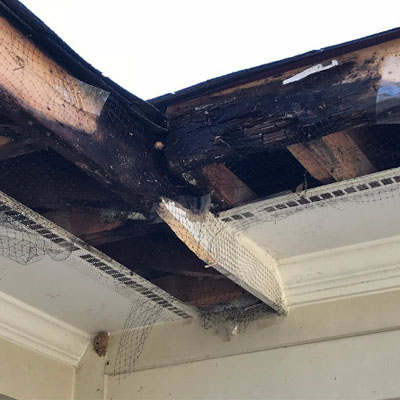
Fascia damage can reveal more than simple age or surface wear when the deterioration follows a pattern that suggests repeated water exposure at the roof edge. Staining, swelling, peeling finishes, corrosion, or localised breakdown can all point to water overflowing, tracking back, or sitting where it should be draining away cleanly. When those signs keep appearing in the same area, it often suggests the problem is tied to roof drainage rather than the fascia alone.

That is why fascia condition can be a useful clue during a roof assessment. The fascia sits directly where the roof edge and guttering meet, so it can reflect how well runoff is being controlled at one of the most important points in the drainage path. If the fascia is showing stress, the bigger issue may be how water is leaving the roof, not just what the fascia looks like on the surface.

How Fascia Problems Can Point to Larger Roof Drainage Issues - Damaged Fascia

Common Fascia Problems That Can Signal Drainage Trouble

Some fascia problems are clearly cosmetic, but others can point to repeated moisture exposure and poor water control at the roof edge. When the same kinds of deterioration keep appearing around the gutter line, it is often worth looking beyond the fascia itself and considering whether drainage is part of the problem.

Common fascia problems that can signal drainage trouble include:

  • Staining or discolouration
  • Swelling, rot, or material breakdown
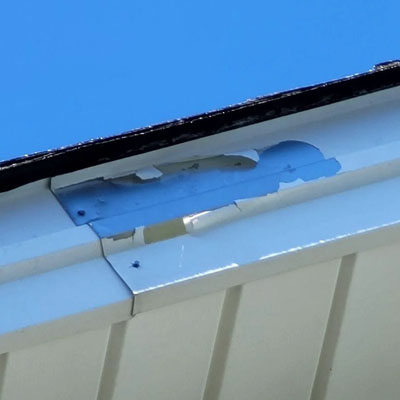
  • Peeling paint or surface coating failure
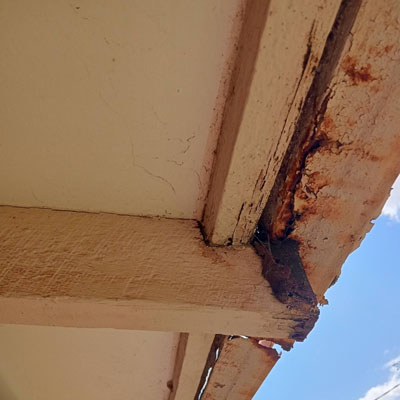
  • Rust or corrosion on metal fascia
  • Sagging or movement along the roof edge
  • Gutter separation or fixing stress
How Fascia Problems Can Point to Larger Roof Drainage Issues - Drainage Issues

Problems like these do not always mean the fascia is the original source of the issue. In many cases, they are a sign that the roof edge is being exposed to more water than it should be, or that runoff is not being carried away properly.

Why Drainage Problems Often Show Up at the Roof Edge

The roof edge is where water is meant to leave the roof cleanly and enter the guttering without spilling, backing up, or lingering around adjoining materials. When that process is not working properly, the fascia is one of the first places where the effects can start to appear. Repeated overflow, poor runoff control, or water sitting along the gutter line can all place extra moisture stress on the roof edge over time.

That is why fascia damage can be such a useful warning sign. It sits right beside the part of the roof where drainage performance becomes visible, so problems at the roof edge often show themselves there before they are noticed anywhere else. Instead of viewing fascia deterioration as a standalone issue, it often makes more sense to consider what it may be revealing about the way the roof is handling water.

How Fascia Problems Can Point to Larger Roof Drainage Issues - Rotting Fascia

When Fascia Damage Is More Than Cosmetic

Fascia damage becomes more than cosmetic when the visible deterioration points to ongoing moisture exposure rather than simple ageing or surface wear. Peeling paint, swelling, corrosion, or localised breakdown may seem minor at first, but when those signs keep returning or appear alongside gutter issues, they can suggest the roof edge is dealing with more water than it should be.

That is usually the point where the focus needs to shift from appearance to cause. If drainage problems are repeatedly affecting the fascia, repairing the surface alone may not solve what is happening at the roof edge. In that situation, the fascia damage is no longer just about presentation. It is a sign that the surrounding drainage conditions may need closer attention.

How Fascia Problems Can Point to Larger Roof Drainage Issues - Corroded Fascia

What Inspectors Look For Around Fascias and Gutters

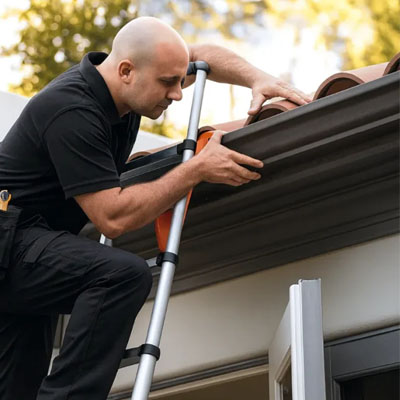
When assessing fascias and gutters, experienced roof inspectors look for visible signs that the roof edge has been exposed to ongoing moisture or poor runoff control. The focus is not just on whether the fascia is damaged, but on whether the pattern of deterioration suggests overflow, drainage stress, gutter movement, or repeated wetting in the same area.

Common things inspectors look for include staining, corrosion, swelling, peeling finishes, sagging sections, gutter separation, fixing stress, and any visible signs that water has not been draining away cleanly. Looking at these details together can help show whether the fascia issue appears isolated or whether it may be pointing to a larger drainage problem along the roof edge.

How Fascia Problems Can Point to Larger Roof Drainage Issues - Peeling Paint

How a Roof Condition Report Helps Clarify the Cause

A roof condition report helps clarify the cause of fascia damage by looking at the visible condition of the roof edge as a whole rather than treating the fascia in isolation. This can make it easier to identify whether the deterioration appears linked to overflow, repeated wetting, gutter stress, or other drainage-related problems affecting the same area.

That clearer view is useful because fascia damage can have more than one contributing factor. By documenting the visible condition of the fascia, guttering, and surrounding roof-edge details, a roof condition report can help show whether the issue looks cosmetic, maintenance-related, or part of a broader drainage concern that may need further attention.

How Fascia Problems Can Point to Larger Roof Drainage Issues - Roof Condition Report

Booking a Roof Inspection Before Roof-Edge Damage Gets Worse

Fascia problems are easier to deal with when the cause is assessed before repeated moisture exposure leads to more extensive roof-edge deterioration. Getting the roof inspected early can help clarify whether the fascia damage appears to be an isolated maintenance issue or a sign of broader drainage trouble affecting the same part of the roof.

At Roof Inspection Reports, we provide detailed roof condition reports across South-East Queensland to help property owners better understand visible roof defects and areas of concern. If you want clearer answers about fascia damage, gutter-related issues, or drainage problems along the roof edge, contact our team by calling 0418 677 524 or clicking here to arrange a roof inspection report.

FAQ: Fascia Problems

Yes. Fascia damage can sometimes point to a larger roof drainage issue, especially when the deterioration appears alongside overflow, gutter stress, repeated wetting, or visible water staining at the roof edge.

Fascia boards can deteriorate due to repeated moisture exposure, poor drainage, overflowing gutters, ageing, failed coatings, corrosion, or ongoing roof-edge stress that leaves the material exposed to more water than it should be.

Yes. When gutters overflow repeatedly, water can spill back against the fascia or keep the roof edge wetter than intended. Over time, that can contribute to staining, swelling, rot, corrosion, or surface breakdown.

No. Some fascia damage is only surface-level, but repeated or localised deterioration can also suggest ongoing drainage problems at the roof edge. That is why the surrounding roof and gutter condition should be considered as well.

Yes. Roof inspections can include visible assessment of fascias, gutters, and related roof-edge areas to identify signs of deterioration, overflow, moisture exposure, or other issues that may point to drainage concerns.

Yes. A roof condition report can help document the visible condition of the fascia, guttering, and surrounding roof edge to show whether the damage appears isolated or linked to a larger drainage issue.