Common Metal Roof Ridge Capping Problems That Lead to Leaks

Metal roof leaks are not always caused by the main roof sheets. In some cases, the problem sits right at the top of the roof where the ridge capping covers the junction between two roof planes. If that detail is loose, poorly fitted, badly joined, or affected by corrosion, water can begin entering at one of the most exposed parts of the roof.

That makes ridge capping more than a finishing piece. On a metal roof, it helps protect the ridge line from weather while covering a junction that would otherwise be highly vulnerable to water entry. Manufacturers such as Stramit and Lysaght include ridge capping within their metal roofing systems, which shows it is a standard metal roofing component rather than something limited to tiled roofs. When defects develop there, the result is often an ongoing leak problem that does not improve until the ridge detail itself is addressed.
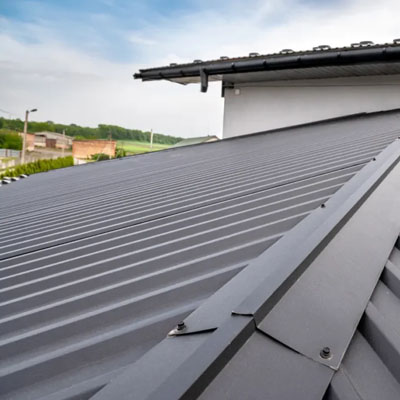
What Can Go Wrong at the Ridge Line

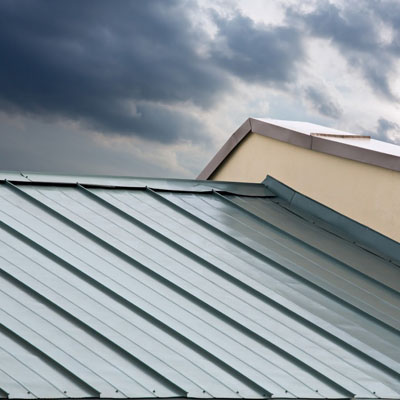
On a metal roof, ridge capping sits over the upper junction where two roof planes meet. Its job is to protect that meeting point from water entry while covering and finishing the ridge line. Lysaght describes ridge or hip capping as being used where two roof planes meet to provide both weather protection and a finished appearance, which reinforces that it is a functional part of the roof system rather than just a cosmetic addition.

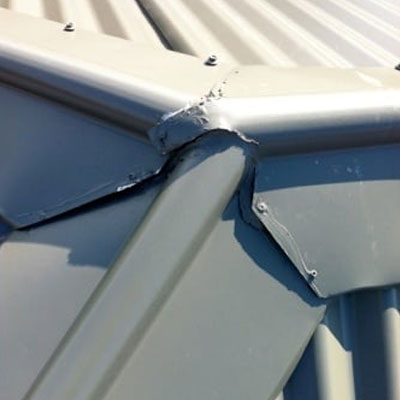
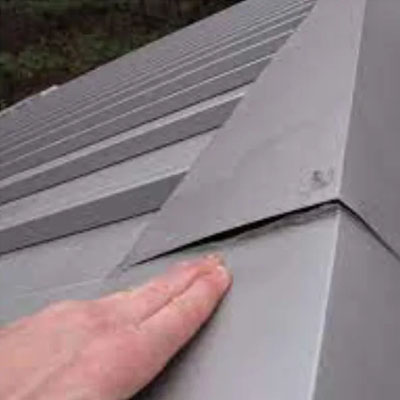
Problems at the ridge line usually come down to how the capping has been fitted, joined, fixed, or repaired over time. A section may sit unevenly, the laps may be too light, the fixings may have loosened, or earlier repair work may have relied too heavily on sealant instead of proper detailing. Corrosion and movement can also affect how well the capping sits against the roof, especially on roofing exposed to coastal conditions or ongoing storm exposure. Once the ridge detail is no longer sitting and shedding weather as it should, the roof becomes more vulnerable along that line.

Common Metal Roof Ridge Capping Problems That Lead to Leaks - Defective Ridge Capping

Common Metal Roof Ridge Capping Problems

Metal roof ridge capping can develop a range of defects over time, often tied to fitment, fastening, overlap, movement, or earlier repair work. Because the ridge is such an exposed junction, even smaller defects can start affecting how well that part of the roof sheds weather.

Common problems found around metal roof ridge capping include:

  • Loose or lifted ridge capping sections
  • Poorly aligned ridge capping
  • Inadequate laps at joins
  • Failed or poorly placed fixings
  • Corrosion around the ridge line
  • Patch repairs that rely heavily on sealant
  • Distortion or movement affecting the fit of the capping
Common Metal Roof Ridge Capping Problems That Lead to Leaks - Lifting edge

These issues do not all behave the same way, but they share one thing in common. They weaken the ridge line’s ability to keep weather out under normal roof exposure.

Signs the Ridge Capping May Be the Problem

Ridge capping tends to stand out as the likely fault area when the ridge line looks noticeably different from the rest of the roof. Instead of focusing only on whether there is a leak, it is often more useful to look at the condition of the ridge itself and whether it appears uneven, patched, poorly seated, or weathered in a way that suggests the detail has been compromised.

That shift matters because ridge defects often leave visible clues in the capping line before anyone knows exactly how serious the problem is. When the ridge looks irregular compared with the surrounding roof, it usually deserves closer attention as its own defect area rather than being dismissed as a minor finish issue.

Common Metal Roof Ridge Capping Problems That Lead to Leaks - Ridge capping defects

When Ridge Capping Stops Being a Small Maintenance Job

Not every ridge capping issue points to a larger roofing problem. A minor isolated defect may still sit in the category of routine maintenance, especially when the rest of the ridge line remains sound and the issue is limited to one small section. The bigger concern is when the condition of the ridge suggests a pattern rather than a one-off fault.

That is usually the point where the problem needs to be assessed more seriously via a roof condition report. Ongoing patching, repeated movement, corrosion along multiple sections, or a ridge line that no longer appears to sit consistently can all suggest the issue is no longer just about minor upkeep. At that stage, the question becomes less about touching up one area and more about whether the ridge detail is still performing properly as a whole.

Common Metal Roof Ridge Capping Problems That Lead to Leaks - Maintenance

What a Roof Inspection Can Reveal About Ridge Capping Defects

A professional roof inspection can help show whether ridge capping problems appear isolated to one section or whether the condition of the ridge line points to broader issues with fitment, fastening, corrosion, or earlier repair work. This is especially useful when the ridge has been patched before or when the visible defect does not clearly explain the ongoing leak concern.

Looking at the ridge in the context of the surrounding roof can also help clarify whether the issue appears to be minor deterioration or part of a larger problem affecting how the ridge line is performing. That gives property owners a clearer basis for deciding whether the ridge needs targeted repair, further investigation, or more substantial attention.

Common Metal Roof Ridge Capping Problems That Lead to Leaks - Ridge Capping

Booking a Roof Inspection Before Ridge Leaks Get Worse

Ridge capping problems are easier to deal with when they are identified before repeated water entry leads to larger repair costs or ongoing deterioration along the ridge line. Getting the roof assessed early can help clarify whether the ridge capping is showing visible defects that may be contributing to the problem.

At Roof Inspection Reports, we provide detailed roof condition reports across South-East Queensland to help property owners better understand visible roof defects and areas of concern. If you want clearer answers about ridge capping issues, leak risks, or the condition of your metal roof, contact our team by calling 0418 677 524 or clicking here to arrange a roof inspection report.

FAQ: Metal Roof Ridge Capping

Yes. Ridge capping is a standard component on many metal roofing systems and is used where two roof planes meet at the top of the roof.

Yes. If the ridge capping is loose, poorly fitted, inadequately lapped, corroded, or otherwise defective, water can enter at the ridge line.

Common causes include poor fitment, failed fixings, inadequate laps, corrosion, movement over time, and earlier repairs that rely too heavily on sealant instead of correct detailing.

No. Ridge capping helps protect one of the roof’s most exposed junctions from water entry while also finishing the ridge line. It plays an important weatherproofing role.

Yes. A roof inspection can identify visible issues such as loose sections, poor laps, failed fixings, corrosion, distortion, and signs of earlier patch repairs.

Yes. A roof condition report can help document the visible condition of the ridge capping and surrounding roof areas to show whether the ridge defect appears to be contributing to the leak problem.