Why Roof Valley Defects Can Lead to Persistent Leaks

Roof valley defects can be one of the most frustrating causes of recurring roof leaks because valleys carry concentrated water flow from adjoining roof sections. A roof may appear generally sound from the ground, yet a defect in the valley can keep allowing water entry during heavier rain or under the same weather pattern again and again. What looks like a small issue in one part of the roof can become a persistent problem simply because of how much runoff a valley is designed to handle.

These defects also deserve serious attention from a compliance and defect-reporting perspective. QBCC’s Standards and Tolerances Guide identifies inadequate construction of roof flashings, including hip and valley flashings, as a major cause of leaking roofs. That fits closely with the role valleys play as one of the roof’s key drainage paths, where even a relatively localised defect can have wider consequences over time.
What a Roof Valley Does

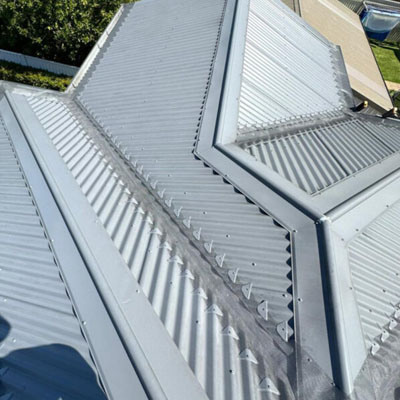
A roof valley is one of the main drainage paths on a roof. It sits where two roof sections meet and collects the runoff moving down from both sides, directing that water toward the lower part of the roof and into the drainage system. Because of that role, a valley is exposed to more concentrated water flow than much of the surrounding roof surface.

That is why defects in a valley can have a bigger effect than property owners often expect. The National Construction Code frames roof and wall cladding requirements around reducing the risk of rainwater entering the building and causing deterioration to building elements through corrosion or other damage. When a valley is not performing properly, that risk increases because one of the roof’s key water paths is no longer managing runoff as intended.

Why Roof Valley Defects Can Lead to Persistent Leaks - Roof Valley

Common Roof Valley Defects That Lead to Leaks

Roof valley defects do not always start with obvious damage. In many cases, the problem is a blockage, a deterioration point, or a flashing issue that interrupts how water is meant to move through one of the roof’s main drainage paths.

Common roof valley defects that lead to leaks include:

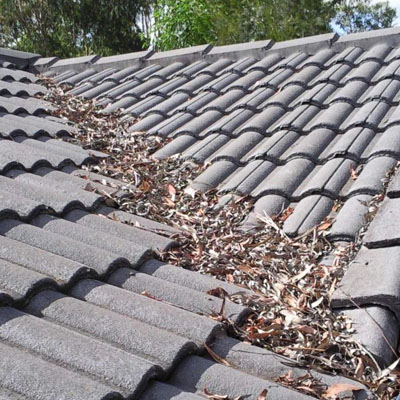
  • Blocked valleys from debris build-up
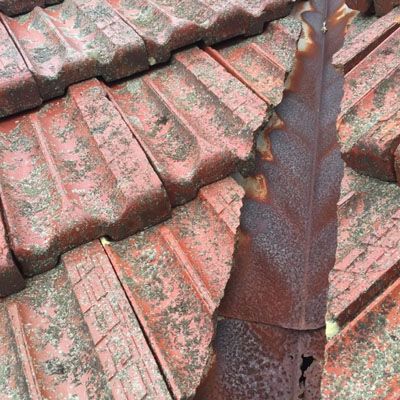
  • Corroded or deteriorated valley metal
  • Poorly installed or inadequate valley flashing
  • Valleys that allow water to back up under roofing
  • Defects where valleys discharge into gutters or lower sections
  • Patch repairs that do not address the full water path
Why Roof Valley Defects Can Lead to Persistent Leaks - Defects

These defects can be especially problematic because valleys deal with concentrated runoff, not just incidental water. QBCC’s Standards and Tolerances Guide identifies inadequate construction of roof flashings, including hip and valley flashings, as a major cause of leaking roofs, which is why valley defects deserve closer attention when repeated leak issues are being assessed.

Why Valley Problems Often Cause Persistent Leaks

Valley problems often lead to persistent leaks because valleys carry concentrated runoff from adjoining roof sections. If debris slows the flow, flashing is defective, or water begins backing up under the roofing, the same weak point can be exposed each time similar rain conditions occur.

Valley leaks can also be difficult to trace because water may travel from the entry point before it becomes visible inside the building. That is why the leak often seems inconsistent or hard to pinpoint until the valley itself is assessed more closely.

Why Roof Valley Defects Can Lead to Persistent Leaks - Valley defects can cause leaks

How Valley Defects Can Affect More Than the Roof Surface

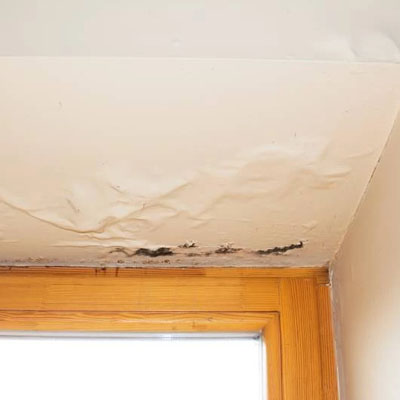
Once water escapes the valley’s intended path, the problem can spread beyond the roof covering itself. Ongoing exposure can affect nearby materials and contribute to staining, corrosion, moisture damage, and deterioration in adjoining parts of the building.

When a roof valley is not managing runoff properly, the issue is no longer limited to one drainage line on the roof. It can develop into a broader building problem over time, especially if the defect continues through repeated rain events.

Why Roof Valley Defects Can Lead to Persistent Leaks - Leaking visible on ceiling

Roof Condition Reports Help Identify Valley Issues

A roof condition report helps identify valley issues by documenting the visible condition of the valley area and the surrounding parts of the roof that may be affected by poor water flow. This can include signs of debris build-up, corrosion, flashing concerns, discharge problems, and other visible defects that may be contributing to repeated leak issues.

That clearer view can be especially helpful when the source of the leak is not obvious from inside the building. Valley defects often involve the broader water path rather than a single isolated point, and a roof condition report by an experienced inspector can help show where visible problems are present and which areas may need further attention.

Why Roof Valley Defects Can Lead to Persistent Leaks - Roof Inspection

Booking a Roof Inspection Before Valley Leaks Get Worse

Valley defects are easier to deal with when they are identified before repeated leaks lead to wider damage, more costly repairs, or ongoing moisture problems inside the building. Getting the roof assessed early can help clarify whether the valley is showing visible signs of blockage, deterioration, flashing defects, or water-path issues that may be contributing to the problem.

At Roof Inspection Reports, we provide detailed roof condition reports across South-East Queensland to help property owners better understand visible roof defects and areas of concern. If you want clearer answers about roof valley issues, recurring leaks, or the condition of your roof, contact our team by calling 0418 677 524 or clicking here to arrange a roof inspection report.

FAQ: Roof Valley Defects

A roof valley is the internal angle where two roof sections meet. It acts as a drainage path that collects runoff from both sides and directs water down toward the lower part of the roof and into the drainage system.

Yes. If the valley is blocked, corroded, poorly flashed, or allowing water to back up under the roofing, it can become a source of repeated leaks during rain.

Heavy rain places more water through the valley than normal conditions, which can expose defects that are less obvious during lighter rainfall. If the valley is already compromised, that concentrated runoff can lead to water entry.

Yes. Debris build-up can slow water flow, trap moisture, and increase the chance of water backing up under the roofing or affecting nearby materials. Over time, that can contribute to corrosion, deterioration, and leak problems.

Not always. Valleys can be difficult to assess from ground level, and debris or earlier repairs may hide the real condition of the area. That is one reason valley defects are often missed until leaks keep returning.

Yes. A roof inspection can help identify visible valley defects such as blockages, corrosion, flashing concerns, discharge issues, and signs that water may not be flowing through the valley as intended.