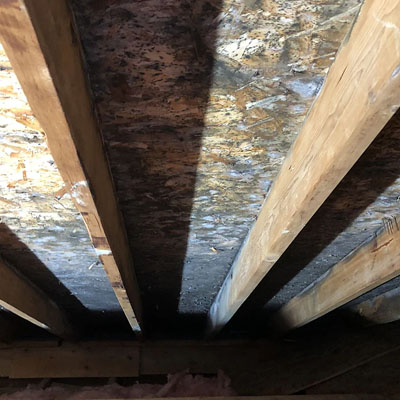
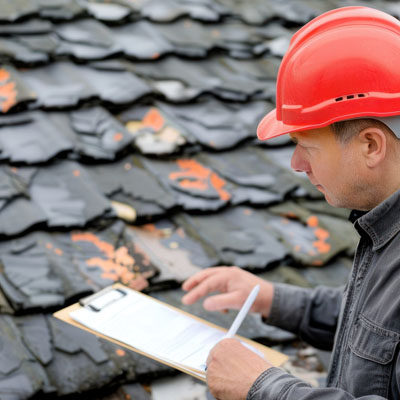
What Mould in the Roof Space Can Say About Roofing Problems

Mould in the roof space is easy to treat as a ventilation or cleaning issue, especially when the growth is found above the ceiling rather than inside the main living area. The problem is that mould still points to moisture, and moisture in the roof space raises a bigger question about why that environment has developed in the first place. In some properties, the answer may involve roofing defects, poor drainage, failed penetrations, or other roof-related issues that are allowing dampness to persist where it should not.

That does not mean roof space mould automatically confirms a roof leak. It does mean the roof should not be ruled out too quickly. When mould is present above the ceiling line, it can be a useful sign that the roof and the moisture conditions around it deserve closer attention before anyone decides the issue is only about mould treatment.
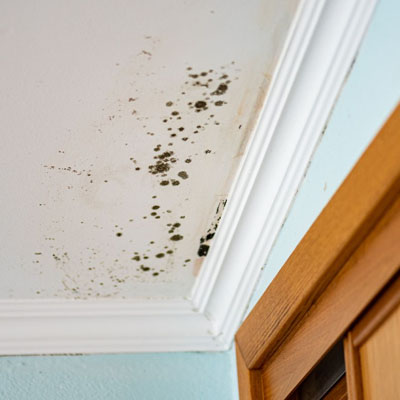
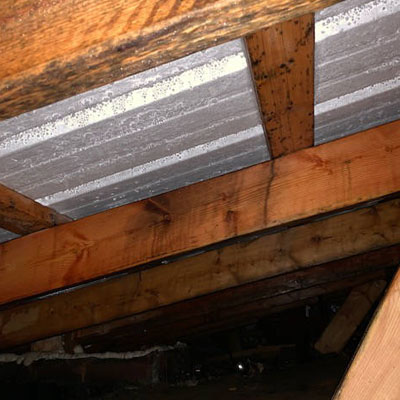
Why Roof Space Mould Changes the Conversation

Once mould is present in the roof space, the issue is no longer just about what can be cleaned or treated. It becomes a question of what conditions have allowed that growth to develop and continue. That shifts the focus away from appearance and toward moisture behaviour, which is where roofing problems can enter the picture.

This is what makes roof space mould more significant than surface staining alone. It suggests the roof space has been exposed to dampness for long enough to support growth, which means the surrounding roof condition, drainage details, and roof penetrations may all need to be considered as part of the broader problem.

What Mould in the Roof Space Can Say About Roofing Problems - Ceiling mould

What Roofing Problems Roof Space Mould Can Point To

Roof space mould can point toward several kinds of roofing-related moisture issues, particularly where the roof is already showing signs of age, repair history, or water-management problems.

  • Ongoing moisture exposure linked to the roof system
  • Leak-related roof defects
  • Poor drainage or water entry issues
  • Failed flashing or penetration details
  • Earlier roof damage that has not been properly resolved
  • Roof areas that deserve closer assessment before repairs begin
What Mould in the Roof Space Can Say About Roofing Problems - Internal roof leak

The value in this is not that mould gives a final diagnosis on its own. It is that mould can narrow the question and suggest that the roof itself may be contributing to the environment that allowed the problem to develop.

What Roof Space Mould Does Not Automatically Mean

Mould in the roof space does not automatically mean there is one obvious hole in the roof, one simple leak point, or one single defect causing everything. In some properties, mould may reflect a mix of factors rather than one clear source. Ventilation limitations, condensation, past roof issues, and current roofing defects can overlap rather than present as separate problems.

That distinction matters because it changes the response. If mould is treated as proof of one simple cause, the next step can become too narrow. A better approach is to treat mould as a sign that moisture is present and then determine whether the visible roof condition suggests the roof may be contributing to that moisture issue.

What Mould in the Roof Space Can Say About Roofing Problems - Ventilation issues

Why a Roof Condition Report Can Be Useful Before Acting

A roof condition report can be useful when roof space mould raises questions about whether the roof is contributing to the moisture issue. Instead of moving straight into isolated repairs or remediation, the report helps clarify whether the visible condition of the roof points to defects, drainage concerns, failed flashings, penetration issues, or other areas that may be relevant.

That makes the report valuable as a decision tool. It helps property owners judge whether the next step should focus on roof repairs, moisture management, remediation, or a combination of these, rather than assuming the first visible issue tells the whole story. We always recommend having a roof condition report carried out before roof repairs start.

What Mould in the Roof Space Can Say About Roofing Problems - Roof condition report

Book a Roof Inspection if Roof Space Mould Raises Roofing Concerns

When mould is present in the roof space, it can make sense to assess the roof before deciding how narrow or broad the response needs to be. If the roof is contributing to the moisture problem, that should be understood before repair or remediation work is scoped too tightly.

At Roof Inspection Reports, we provide detailed roof condition reports across South-East Queensland to help property owners better understand visible roof defects and areas of concern. If roof space mould is raising questions about roof condition, drainage, flashing, or possible water entry issues, contact our team on 0418 677 524 or by clicking here to arrange a roof inspection report.

FAQ: Mould In The Roof Space

Yes. It can suggest that roofing defects, drainage issues, failed flashing, penetrations, or other roof-related conditions may be contributing to moisture above the ceiling line.

No. It can also relate to condensation, ventilation limitations, or a combination of moisture issues rather than one obvious leak point.

Yes. If poor drainage is affecting how water is managed across the roof, it can contribute to moisture conditions that support mould growth.

Yes. Failed or poorly performing flashing can allow moisture into parts of the roof system that should remain protected.

Yes. It can be useful to assess whether the roof is contributing to the moisture issue before deciding what work should come first.

A roof condition report can help clarify whether the visible condition of the roof points to defects that may be contributing to the moisture problem.