What Does a Commercial Roof Inspection Report Include?

A commercial roof inspection report provides a structured record of the roof areas inspected, the condition of key components and any visible defects identified during the assessment. It will generally include property and inspection details, photographs, defect locations and recommendations for repair, maintenance or further review. The exact contents can vary depending on the building, the reason for the inspection and which roof areas can be safely accessed.

For property owners and facility managers, the report turns the findings of a commercial roof inspection into practical information that can be referred to after the inspection is complete. A well-prepared commercial roof condition report should make it clear what was assessed, what was observed and which items may require action, rather than simply stating that the roof is in poor or satisfactory condition.
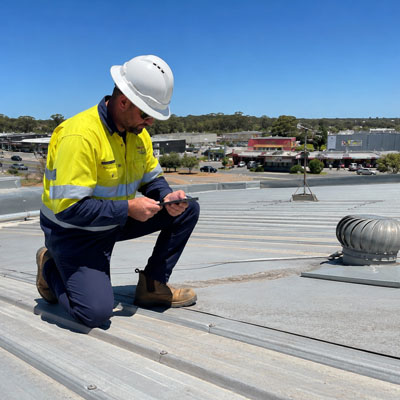
Inspection Scope and Property Details

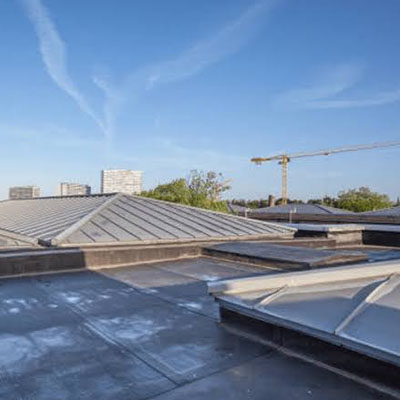
A commercial property roof inspection should begin by identifying the building, the reason for the assessment and the roof areas included. The report may also note the roofing materials, general roof layout and relevant sections such as separate tenancies, extensions, plant zones or adjoining roof levels. This context helps show whether a finding relates to one isolated area or appears across several parts of the roof.

The scope should also record any limitations that affected the inspection, including areas that could not be safely accessed, concealed components and sections outside the agreed assessment. Clearly defining these boundaries distinguishes between areas that were inspected and parts of the property where no reliable conclusion could be made.

What Does a Commercial Roof Inspection Report Include - Commercial roof

What Is Assessed During a Commercial Roof Inspection

A commercial roof inspection looks at the roof as a connected system rather than treating each component in isolation. The areas assessed will depend on the building design and safe access available, but the inspection will commonly cover:

  • Roof sheets or other roof coverings
  • Fixings, fasteners, laps and joins
  • Flashings, cappings and roof penetrations
  • Gutters, box gutters, downpipes and overflow provisions
  • Parapets, adjoining walls and changes in roof level
  • Interfaces around solar panels, air conditioning units and other rooftop equipment
  • Corrosion, physical damage and evidence of previous repairs

These areas are checked for visible deterioration, incorrect detailing, loose or missing components, restricted drainage and other commercial roofing defects that may affect performance. The NCC requires applicable roofs to prevent water penetration that could lead to dampness or deterioration, which is why coverings, junctions and drainage components all form part of the assessment.

What Does a Commercial Roof Inspection Report Include - Commercial roof report

How Defects and Recommendations Are Presented

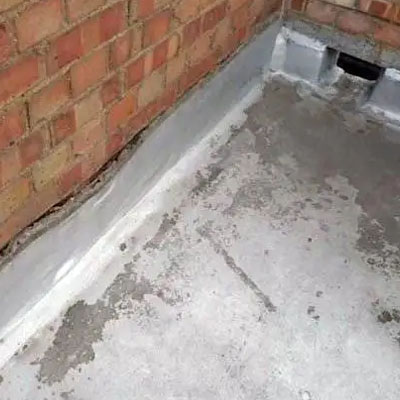
A useful commercial roof inspection report should show more than a general statement about the roof’s condition. Each defect should be tied to a specific location, supported by clear photographs and described in enough detail for the reader to recognise the issue and the part of the roof affected. On larger buildings, this may mean separating findings by roof zone, tenancy, elevation or plant area so the report remains easy to follow.

Recommendations should also be practical and proportionate to what was observed. Some items may require prompt repair, while others may be suitable for planned maintenance, monitoring or further assessment by a relevant specialist. Presenting the findings in this way gives property owners a clearer basis for organising quotes, setting priorities and planning future work.

What Does a Commercial Roof Inspection Report Include - Roof defects

Commercial Roof Considerations and Inspection Limitations

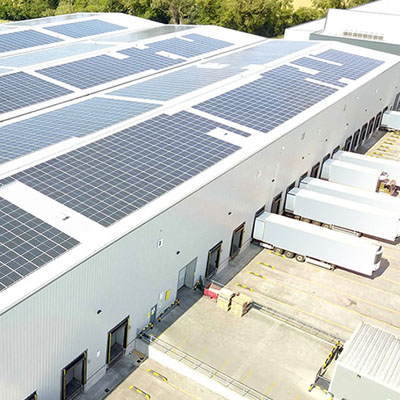
Commercial roofs often include several roof zones, box gutters, internal drainage, parapets, service penetrations and large areas of rooftop equipment. Solar panels, air conditioning systems and plant platforms can create additional junctions or restrict access to parts of the roof surface. A commercial roof assessment needs to account for these features and clearly identify which section of the building each finding relates to.

The report should also note where access or visibility limited the inspection. Roof height, fragile materials, restricted entry points, active equipment or the absence of suitable fall protection may prevent some areas from being safely reached. WorkSafe Queensland requires fall risks associated with roof work to be managed, so inaccessible sections should be recorded rather than assessed without appropriate access arrangements.

What Does a Commercial Roof Inspection Report Include - Roof with solar panels

Using a Commercial Roof Condition Report

A commercial roof condition report can support practical decisions across maintenance, repairs and property management. Owners and facility managers may use the findings to prepare repair scopes, compare contractor quotes, plan maintenance budgets or establish which items should be addressed first. Where reports are completed periodically, they can also provide a useful record of how the roof is changing over time.

The same documentation may assist during a property purchase, lease review, insurance matter or building dispute by providing a dated record of the roof’s condition. While the report does not replace specialist legal or engineering advice where required, it gives the parties involved a clearer basis for discussing the work and costs ahead.

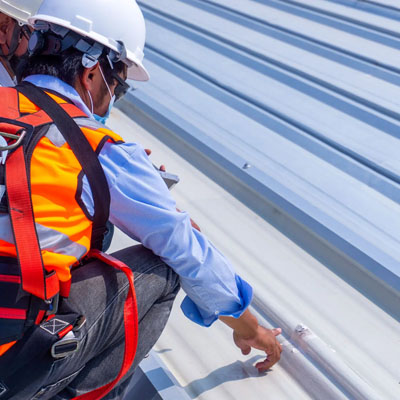
What Does a Commercial Roof Inspection Report Include - Roof condition report

Book a Commercial Roof Inspection

A commercial roof inspection can provide a clear, documented record of the roof areas assessed, the defects identified and the items that may require repair, maintenance or further review. This gives property owners, facility managers and other stakeholders practical information they can use when planning work, reviewing contractor quotes or making decisions about the condition of the building.

To arrange a commercial roof inspection report, call Roof Inspection Reports on 0418 677 524 or click here to contact our team online.

FAQ: Commercial Roof Inspection Reports

A commercial roof inspection generally covers accessible roof surfaces, flashings, fixings, penetrations, gutters, drainage components, parapets and areas around rooftop equipment. The exact scope depends on the building layout, the reason for the inspection and the access available.

Yes. Photographs help show the location and condition of defects, making the findings easier to review when preparing repair scopes, obtaining quotes or discussing the roof with contractors and other stakeholders.

A commercial roof inspection report can separate defects requiring earlier attention from items suited to planned maintenance, monitoring or further assessment. This helps property owners and facility managers organise work according to the condition and likely impact of each issue.

Areas that cannot be safely reached or clearly viewed should be identified as inspection limitations rather than treated as fully assessed. Further access arrangements may be recommended where those sections need to be examined more closely.