Can Roof Flashing Defects Be a Compliance Problem?

Questions about roof flashing compliance often arise when flashing is missing, poorly fitted, damaged or unable to direct water away from a roof junction. Flashing forms part of the roof’s weatherproofing system, so defects around walls, penetrations, valleys, cappings or adjoining roof sections can be more than a routine maintenance issue.

A roof does not need to be showing severe internal damage before the installation deserves closer attention. Where the flashing detail appears incomplete, unsuitable for the roof type or inconsistent with the work required at that junction, it may raise questions about whether the roof has been completed to the applicable requirements. The NCC requires roofs to prevent water penetration that could cause dampness or deterioration, while QBCC also identifies inadequate flashing as a recurring roofing defect.
What Compliance Means for Roof Flashing

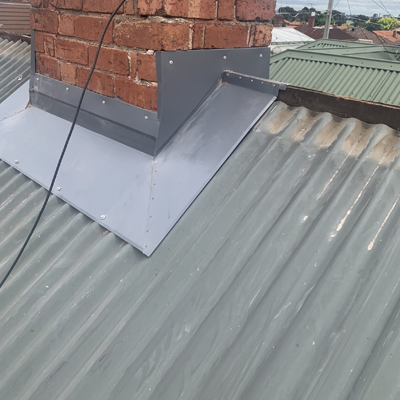
Roof flashing compliance is not confirmed simply because flashing has been installed at a joint or penetration. The flashing needs to suit the roof covering, surrounding materials and location, while also being configured and fixed so water is directed away from the junction. For sheet roofing, the NCC includes requirements covering material compatibility, fasteners, fixing frequency, laps and acceptable flashing configurations.

In Queensland, defective building work can include work that does not comply with the Building Code of Australia, an applicable Australian Standard or the manufacturer’s installation instructions. This means non-compliant roof flashing may result from the wrong material, unsuitable detailing or incorrect installation, even before the defect develops into a significant internal leak.

Can Roof Flashing Defects Be a Compliance Problem - Roof flashing compliance

Flashing Defects That Can Raise Compliance Concerns

Some roof flashing defects are more likely to raise compliance questions because they affect whether water is properly directed away from joins, penetrations and changes in roof level. The concern is not only whether the flashing is damaged, but whether the detail has been installed in a way that suits the roof system and the junction it is protecting.

  • Missing or incomplete flashing
  • Insufficient coverage around a junction
  • Incorrect laps, upturns or overflashing
  • Poorly detailed roof penetrations
  • Flashing that interferes with drainage
  • Incompatible metals or adjoining materials
  • Incorrect fixing methods
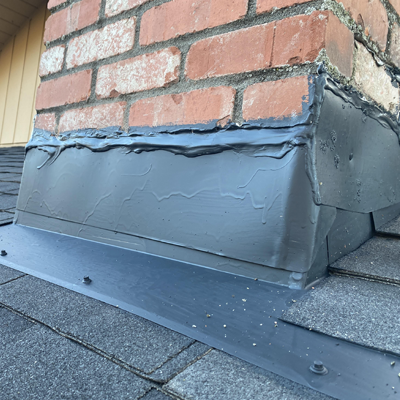
  • Sealant used instead of a proper flashing detail

A defective roof flashing detail may involve one issue or several working together. Where the configuration, coverage or installation method is unsuitable, the roof can fall short of the performance expected from the weatherproofing system.

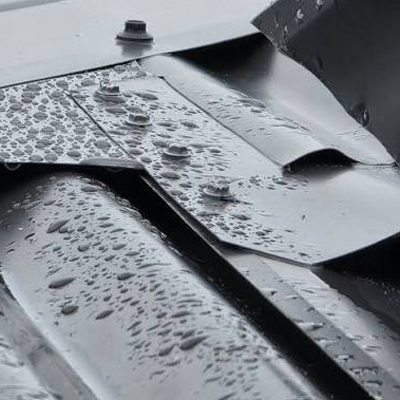
Can Roof Flashing Defects Be a Compliance Problem - Defective flashing

Requirements Differ Between Roofing Systems

Flashing requirements in Australia are not identical across every type of roof. The National Construction Code refers metal sheet roofing to AS 1562.1, tiled roofing to AS 2050 and plastic sheet roofing to AS 1562.3. Each system handles joins, penetrations and changes in roof level differently, so a flashing detail that is suitable for one roof covering may not be appropriate for another.

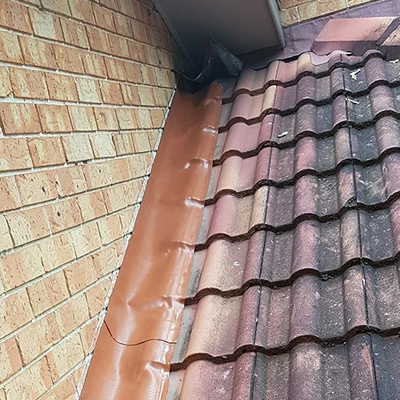
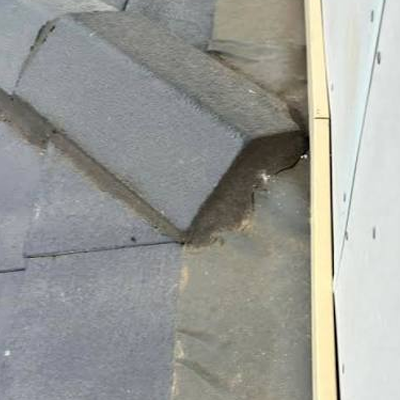
The NCC Housing Provisions also set out separate flashing requirements for sheet roofing and roof tiles. For metal roofs, the provisions address matters such as material compatibility, fasteners, fixing frequency and the direction and length of flashing laps. Tiled roofs have their own requirements for wall flashings, overflashings and how the flashing is formed around the tiles. A roof flashing inspection therefore needs to consider the roof system involved rather than applying one generic installation detail to every property.

Can Roof Flashing Defects Be a Compliance Problem - Tiled roof flashing

Why a Leak Is Not the Only Measure of Compliance

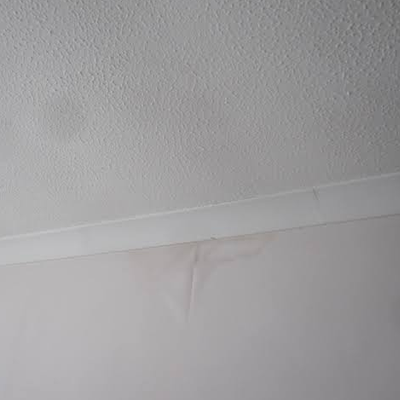
The absence of an active leak does not automatically confirm that a flashing detail has been installed correctly. Some defects only become apparent during wind-driven rain, prolonged wet weather or heavier rainfall, while others may leave the roof vulnerable without allowing water inside under ordinary conditions. This means roof compliance issues can exist before obvious staining, dampness or internal damage appears.

The QBCC considers flashing and associated accessories defective when they leak under weather conditions anticipated by the Building Code of Australia. In practical terms, the question is not limited to whether the roof leaked during one storm or remained dry on the day it was inspected. The flashing system needs to intercept, collect and discharge water back into the roof drainage system under the conditions the building can reasonably be expected to face.

Can Roof Flashing Defects Be a Compliance Problem - Ceiling dampness

Why Sealant-Heavy Repairs May Still Leave Compliance Concerns

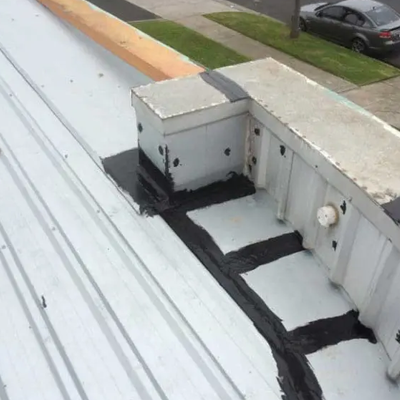
Sealant can form part of some flashing details, but it does not replace correctly shaped, lapped and fixed flashing. A repair may slow or stop water entry for a period while leaving the original installation problem unresolved, particularly where the flashing lacks sufficient coverage, has been poorly joined or does not direct water back onto the roof surface.

This is why a sealant-heavy repair can still leave questions about roof flashing compliance. Australian Standards for roof flashing work and manufacturer installation instructions rely on the flashing configuration to provide the main weatherproofing function, with sealant only used where the detail requires it. Covering a gap with sealant does not necessarily correct unsuitable materials, inadequate laps or missing flashing components.

Can Roof Flashing Defects Be a Compliance Problem - Sealant repairs

When Flashing Compliance Questions Commonly Arise

Questions about Australian Standards for roof flashing often arise after new roofing, re-roofing, extensions or patio additions, particularly where new work joins an existing roof. They may also surface after a penetration has been added, when the same flashing repair repeatedly fails or where the finished detail appears inconsistent with the approved design or manufacturer’s installation requirements. The QBCC identifies flashing between existing roofs and patio additions, apron flashing, hip and valley flashing, penetrations and capping as parts of a complete flashing system that require appropriate detailing.

Flashing compliance may also become relevant during a property purchase, an insurance or warranty matter or a dispute about defective building work. In these situations, the question is not limited to whether repairs are needed. Clear documentation may be required to show what has been installed, where concerns are located and whether the visible work appears consistent with the requirements applying to that roofing system.

Can Roof Flashing Defects Be a Compliance Problem - Flashing

What a Roof Inspection Can Document

A roof flashing inspection can record the visible configuration of the flashing, the junctions it protects, the materials used and the way it has been fitted into the surrounding roof system. It can also document missing components, unsuitable laps, poorly finished penetrations, incompatible materials, signs of movement and evidence of previous repairs that may be affecting performance.

A roof condition report provides a clear record of what was observed at the time of inspection and where further review or corrective work may be required. It does not replace a formal legal or engineering determination in every situation, but it can provide useful evidence when flashing defects are being considered as part of a property purchase, building dispute, warranty matter or repair decision.

Can Roof Flashing Defects Be a Compliance Problem - Flashing repairs

Book a Roof Inspection for Flashing Concerns

Where flashing defects are raising questions about compliance, a roof inspection can provide clear documentation of the visible work and the areas requiring further attention. Call 0418 677 524 or click here to contact Roof Inspection Reports and arrange an inspection.

FAQ: Roof Flashing Defects & Compliance

Yes. Flashing may still raise compliance concerns where its materials, coverage, laps, fixing or configuration do not suit the roof system, even if water has not yet entered the building.

Not always. Sealant may form part of a repair, but it does not replace correctly formed, fitted and lapped flashing where the original detail is unsuitable.

No. Metal sheet, tiled and plastic sheet roofing systems have different installation requirements, so the flashing detail needs to suit the roof covering and junction involved.

A roof inspection can document visible defects and details that may not align with applicable requirements. More complex disputes may still require further assessment from the relevant building or engineering professional.