Why Does the Roof Only Make Noise When It’s Windy?

A roof that starts rattling, banging or knocking during stronger gusts is usually responding to movement somewhere in the roofing system or in an attached component. Wind pressure can make loose sheets, flashings, cappings, gutters or other external parts move enough to create noise, even if everything sounds normal in calmer weather.

A new roof rattling in the wind is worth paying attention to, particularly if the sound is getting louder, happening more often or seems concentrated in one area. The noise itself does not automatically mean there is serious damage, but it can be a sign that something has loosened, shifted or is no longer sitting as securely as it should.
Common Causes of Rattling and Banging Roofs

Roof noise in strong winds can come from several different parts of the roof or from components attached around it. The sound may be intermittent or only appear during stronger gusts, which can make the source difficult to identify without a closer inspection.

  • Loose metal roof sheets or fixings
  • Flashings or cappings moving at an edge or junction
  • Gutters, fascia or downpipes rattling against adjoining surfaces
  • Displaced or poorly secured roof tiles
  • Solar mounting components, vents or other rooftop equipment
  • Branches or external objects striking the roof

A roof banging in the wind does not always mean the roof covering itself is failing. The location, frequency and type of noise can help narrow down which part of the roof or surrounding structure needs to be checked.

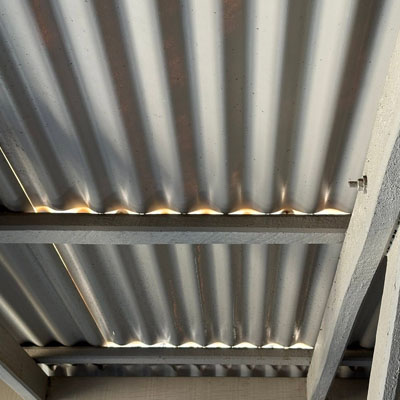
Why Does the Roof Only Make Noise When It’s Windy - Loose roof sheet

Metal Roofs and Wind Uplift

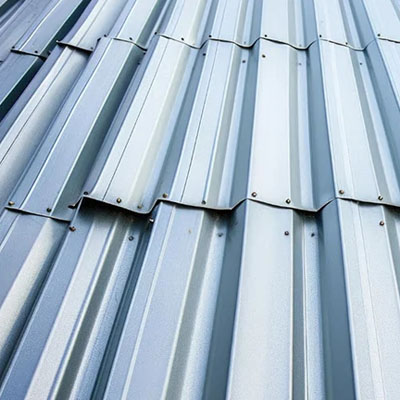
Metal roofing is particularly sensitive to wind uplift because the sheets form a large surface that wind pressure can act against. When fixings, battens or other connections are loose, deteriorated or not suited to the wind classification of the building, the sheeting can move enough to create a rattling or banging sound during stronger gusts.

A rattling metal roof does not necessarily mean the sheets are about to come away, but repeated movement is worth checking. Timber Queensland guidance hosted by the QBCC notes that even sheet-roofed houses in lower non-cyclonic wind classifications experience net uplift forces and require appropriate tie-down connections.

Why Does the Roof Only Make Noise When It’s Windy - Wind uplift

Not Every Roof Noise Comes From the Roof Covering

Not every rattling or banging sound in windy weather is caused by loose roofing sheets or tiles. Gutters, downpipes, solar equipment, aerials, vents and other external components can all move or vibrate during stronger gusts. Nearby branches can also strike the roof or fascia and create a noise that sounds as though it is coming from the roofing itself.

That is why the source of the noise is worth checking rather than assuming the worst. A loose external component may only move under certain wind conditions, while the roof covering itself remains secure. Where the sound is new, getting louder or concentrated around one area, an inspection can help narrow down what is actually moving.

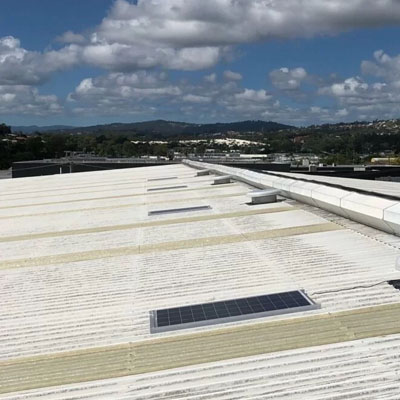
Why Does the Roof Only Make Noise When It’s Windy - Commercial roof with solar and vents

When Roof Noise Is Worth Getting Checked

Some roof noise during strong winds can be minor, but there are situations where it is worth having the area inspected rather than waiting to see if it settles down. A check becomes more useful where the noise is new, has become louder or more frequent, started after a storm, or seems to come from one particular section of the roof.

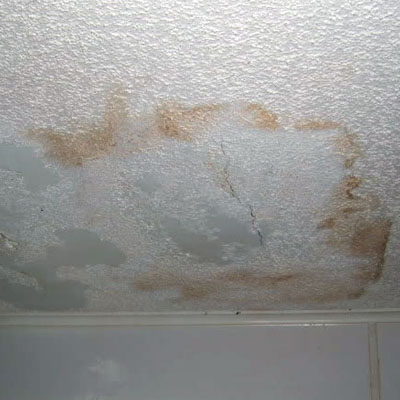
It is also worth paying closer attention where the noise is accompanied by another issue, such as visible movement, leaking, water staining or a component that appears loose or displaced. These can be signs you need a roof inspection, particularly when the noise has appeared alongside other changes in the roof’s condition.

Why Does the Roof Only Make Noise When It’s Windy - Stained roof

Can a Roof Inspection Pinpoint the Cause?

A roof inspection can focus on the area where the noise appears to be coming from and assess the surrounding components for movement, damage or deterioration. Depending on the roof type, this may include sheets, fixings, flashings, cappings, gutters, tiles and other accessible external components that could be reacting to strong winds.

The findings can then be documented in a roof condition report, giving the property owner a clearer record of what was observed and whether repair, maintenance or further assessment may be needed. Roof Inspection Reports provide independent inspections across South-East Queensland. Call 0418 677 524 or click here to contact our team online and arrange an inspection.

FAQ: Noisy Roof During High Winds

Some movement and noise can occur during strong gusts, but new or unusually loud rattling, banging or knocking is worth checking. The sound may come from roofing sheets, fixings, flashings, gutters or another external component that is moving under wind pressure.

Yes. If metal sheets or their fixings are loose, stronger gusts can cause enough movement to create a banging or rattling sound. The source should be checked rather than assuming the noise is harmless.

Yes. Loose or poorly secured flashing and cappings can move during windy conditions and create intermittent rattling or tapping sounds around roof edges, penetrations or junctions.

It can be worthwhile, especially if the noise is new, getting worse or is accompanied by leaks, visible movement or another change in the roof’s condition. A roof inspection can help identify which component is moving and whether further attention is needed.