Why Roof Repairs Should Start With a Roof Condition Report

Roof repairs are not always as straightforward as they first appear. A visible issue such as a leak, corrosion point, loose section, or damaged flashing may seem to identify exactly what needs to be fixed, but the repair decision is not always that simple. If work begins before the broader visible condition of the roof has been properly assessed, there is a risk that the repair focuses too narrowly on one symptom while other related defects are left sitting nearby.

That is where a roof condition report can be valuable before repairs begin. It helps clarify what visible defects are present, whether the proposed repair area appears to match the condition of the roof, and whether other issues may need attention at the same time. Instead of moving straight into reactive work, property owners have a clearer basis for deciding what repairs actually make sense.
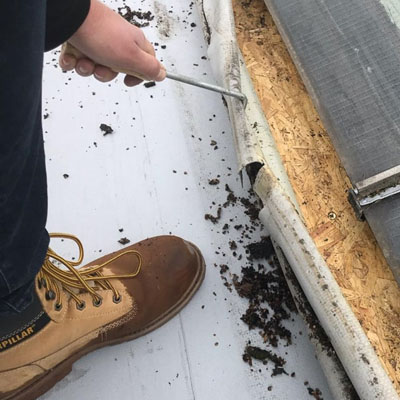
Why Roof Repairs Are Not Always as Straightforward as They Look

A roof defect can look quite specific when it first comes to light. There may be a stained area, a damaged flashing, a corroded section, or a localised leak point that seems to make the repair path obvious. The problem is that visible roof issues do not always sit neatly within one small repair zone, especially when the surrounding roof condition has not been assessed at the same time.

That is why repair planning needs more than a quick look at the most obvious fault. A roof may have nearby deterioration, earlier patch work, or related defects that affect how sensible a proposed repair really is. Without that broader context, there is a higher chance of carrying out work that addresses the visible symptom without fully dealing with the condition of the surrounding roof.

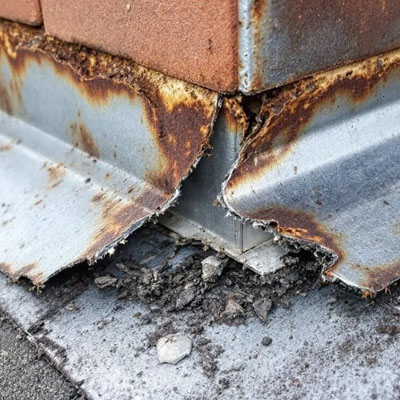
Why Roof Repairs Should Start With a Roof Condition Report - Defective flashing

What a Roof Condition Report Can Clarify Before Repairs Begin

A roof condition report is useful before repairs because it helps define the visible condition of the roof beyond the first obvious defect. Instead of assuming the repair scope from one leak point or one damaged area, it gives a clearer picture of whether the issue appears isolated or whether nearby sections are also showing signs of wear, deterioration, failed past work, or related defects.

Before repairs begin, a roof condition report can help clarify:

  • the visible defect that appears to need repair
  • whether nearby areas are also showing issues
  • whether the proposed repair area matches the visible condition
  • whether there are broader signs of deterioration or poor past work
  • whether other roof defects should be addressed at the same time
Why Roof Repairs Should Start With a Roof Condition Report - Assessment of nearby roof issues

That kind of clarity can make repair decisions more practical. Instead of treating the first visible defect as the whole problem, property owners have a better sense of whether the planned work looks targeted and sensible or whether the roof condition suggests a wider scope should be considered.

Why Surface Repairs Can Miss the Bigger Problem

Surface repairs can fall short when they are based only on what looks worst from the outset. If the work is scoped around one visible fault without properly checking the surrounding repair area, the result may be a fix that improves the appearance of the problem without fully resolving why that section needed attention in the first place.

This becomes more relevant when repair work is being planned quickly or based on assumption rather than condition. A narrow patch may suit a truly isolated defect, but it can be the wrong approach when the repair area is part of a larger section that is already showing wear, inconsistency, or multiple visible issues. That is why repair scope matters just as much as the repair itself.

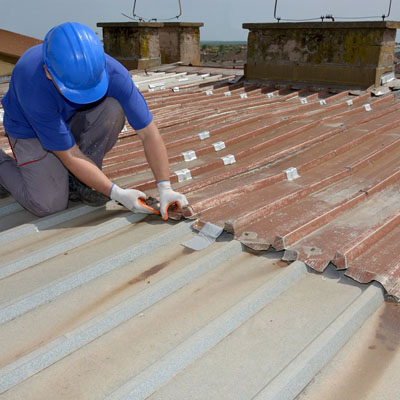
Why Roof Repairs Should Start With a Roof Condition Report - Patch repair

Common Situations Where a Roof Condition Report Helps Before Repairs

There are plenty of situations where jumping straight into repairs can create more guesswork than clarity. A roof condition report is most useful when the visible problem may not tell the whole story, or when there is a chance that related defects should be considered at the same time. Common situations where a roof condition report helps before repairs include:

  • Recurring leaks
  • Visible corrosion or deterioration
  • Storm-related damage
  • Ridge, flashing, or valley defects
  • Patch repairs that have already failed
  • Uncertainty about how much of the roof is affected
Why Roof Repairs Should Start With a Roof Condition Report - Leaking roof repair

In situations like these, the value of the report is not just identifying that damage exists. It is helping define the visible scope of the issue before money is spent on repair work that may be too narrow or poorly.

Why It Can Make Sense to Address Related Roof Issues at the Same Time

When roof repairs are already being planned, it can make practical sense to look at whether nearby visible defects should be addressed at the same time. If the roof is showing related issues in the same section, or if earlier deterioration appears to sit around the repair area, handling those items together may be more sensible than returning later for another isolated fix.

That does not mean every repair needs to become a larger job. It means the visible condition of the surrounding roof should be considered before the work is locked in. Where related defects are already apparent, a broader repair scope can sometimes lead to a more complete and better-targeted outcome.

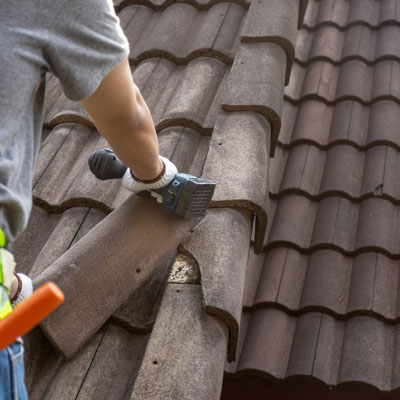
Why Roof Repairs Should Start With a Roof Condition Report - Roof repair

How a Roof Condition Report Helps With Repair Decisions

A roof condition report helps with repair decisions by giving property owners a clearer basis for judging whether the proposed work matches the visible condition of the roof. Instead of relying on the first defect that drew attention, the repair decision can be considered in the context of nearby deterioration, related defects, and the broader condition of the repair area.

That makes it easier to decide whether the issue appears isolated, whether more than one area needs attention, or whether the visible condition suggests a wider repair scope should be considered. In that sense, the report is not just about identifying defects. It helps make the repair decision itself more informed.

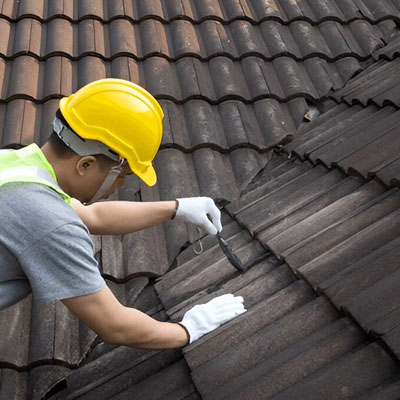
Why Roof Repairs Should Start With a Roof Condition Report - Roof inspection

Booking a Roof Condition Report Before Repairs Begin

A roof condition report can be a practical first step when repairs are being considered but the visible scope of the problem is still unclear. Taking that step before work begins can help avoid narrow repair decisions based only on the first obvious defect, especially where nearby issues or earlier patch work may also be affecting the same area.

At Roof Inspection Reports, we provide detailed roof condition reports across South-East Queensland to help property owners better understand visible roof defects and areas of concern before repair work is carried out. If you want clearer information about the condition of your roof before deciding on repairs, contact our team calling 0418 677 524 or clicking here to arrange a roof condition report you can rely on.

FAQ: Getting a Roof Condition Report Before Repairs

Yes. A roof condition report can be useful before repairs when the visible problem may not fully explain the condition of the surrounding roof or the likely repair scope

It can help avoid poorly targeted repairs by clarifying whether the visible defect appears isolated or whether nearby areas are also showing issues that should be considered at the same time.

A roof condition report can help identify visible defects, nearby deterioration, signs of earlier patch work, related roof issues, and whether the proposed repair area appears to match the visible condition of the roof.

Yes. A roof inspection can help show whether the visible issue appears limited to one section or whether surrounding areas are also showing signs that may need attention.

Yes. It can help clarify the visible condition of the roof after storm-related impacts and whether other areas may also have been affected.

Yes. It can provide clearer information about the visible condition of the roof so repair decisions are based on a broader assessment rather than one obvious defect alone.