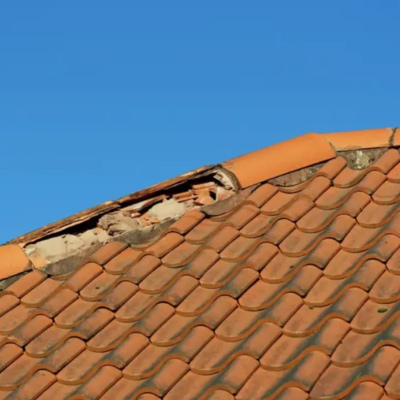
Cracked Roof Tiles: When Minor Breaks Turn Into Major Damage

Cracked roof tiles are one of the most common roofing issues in Queensland homes, yet they are often dismissed as harmless. Many property owners believe that small breaks are only cosmetic and do not require urgent attention. What often seems like a minor flaw can actually lead to water ingress, structural deterioration, and long-term roofing damage that costs far more to repair.

A single cracked tile can allow moisture to seep beneath the surface, where it damages insulation, ceilings, and timber supports. Because these problems develop slowly, homeowners may not notice them until significant repairs are needed. A professional roof condition report is the most effective way to confirm the extent of the damage and to prevent minor defects from escalating into costly replacements.
Why Do Tile Roofs Crack?

Tile roofs are built for strength and durability, but they are not immune to the effects of time and weather. Constant exposure to harsh sun, heavy rainfall, and shifting temperatures causes the materials to expand and contract, which eventually leads to small breaks. In areas such as Brisbane, the Sunshine Coast, Moreton Bay, and the Gold Coast, these extreme cycles place constant stress on roofing systems, making cracks far more likely to appear as the years go on.

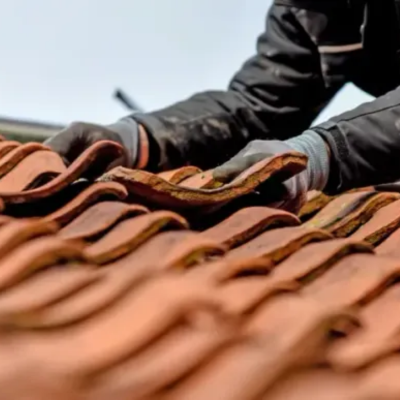
Damage can also occur when people walk across the roof to clean gutters, install antennas, or carry out maintenance. The weight creates pressure points that often break tiles, especially older or more brittle ones. Poor installation practices may leave tiles more prone to damage, and gradual movement of the home’s structure can add further stress. Once a tile is compromised, even slightly, water can make its way inside, and the risk of hidden roofing damage increases with every storm.

Tile Roof Cracks: When Minor Breaks Turn Into Major Damage

Signs That Cracked Tiles Are More Than Cosmetic

Not every cracked tile results in immediate leaks, but some signs show that the problem has moved beyond surface-level damage. When these indicators appear, it means the roof is no longer providing full protection and may already be allowing water to penetrate.

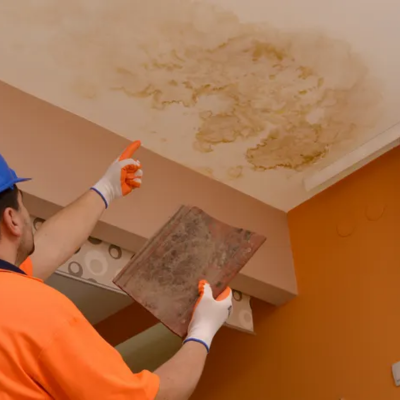
  • Ceiling stains or water marks inside the home are often the first visible sign of a cracked tile that has allowed moisture to enter. These marks may look small at first but point to a deeper issue in the roof system.
  • Moss or mould beneath the tiles suggests that moisture has been present for an extended period. This growth not only signals leaks but also accelerates further deterioration of roofing materials.
  • Persistent leaks in the same area after every storm usually indicate one or more cracked or displaced tiles. If the problem recurs despite patch repairs, it is a strong sign of ongoing roofing damage.
  • Granules or debris in gutters may come from cracked tiles breaking down over time. These fragments can also block drainage, leading to further water buildup and leaks.
  • Musty smells or damp air indoors following heavy rain often point to moisture trapped above ceilings or in roof spaces. Even without visible staining, these odours show that the roofing system has been compromised.
Tile Roof Cracks: When Minor Breaks Turn Into Major Damage

When these symptoms appear, cracked tiles have moved from being a cosmetic nuisance to a genuine structural problem. At this stage, an independent roof condition report is the best way to confirm the extent of damage and determine the right path for repair.

The Risks of Ignoring Cracked Tiles

When damage to roof tiles is overlooked, the consequences often extend far beyond the visible surface. Even a single break can allow water to enter the roof cavity, damaging insulation, ceiling plaster, and timber supports. Over time, this creates conditions for mould growth, which not only weakens materials but also affects indoor air quality. In Queensland’s humid climate, these problems accelerate quickly, turning what seemed like a minor repair into an expensive restoration.

Cracks also tend to worsen with ongoing exposure to the elements. Rainwater seeps in and expands the break, while constant heating and cooling from the sun causes further movement. As the damage spreads, pests such as rodents or insects may exploit the gaps to enter the home. Ignoring these issues increases the likelihood of sudden leaks during heavy storms, leading to emergency repairs and higher costs. Proactive action supported by a roof condition report ensures that property owners avoid these escalating risks and preserve the integrity of their roof.

Tile Roof Cracks: When Minor Breaks Turn Into Major Damage

How a Roof Condition Report Helps

When tiles are damaged, it is often difficult to know whether the problem is isolated or a symptom of something more widespread. A roof condition report gives clear answers by documenting all defects, identifying risks, and providing guidance on the next steps.

  • A report highlights every cracked, displaced, or broken tile, including those not visible from the ground. This ensures no defects are overlooked when planning repairs.
  • It includes photographic evidence with notes, making it easier for property owners to understand the issues and for contractors to provide accurate repair estimates.
  • Recommendations explain whether targeted repairs are sufficient or if replacement is required. This prevents ongoing leaks and long-term roofing damage.
  • Reports also serve as valuable documentation for insurance claims, establishing the roof’s state before storm events or water ingress.
  • For buyers and investors, reports clarify whether cracks are a minor concern or a sign of deeper structural issues, supporting confident purchase decisions.
Tile Roof Cracks: When Minor Breaks Turn Into Major Damage

By combining expert assessment with photo documentation, a roof condition report removes uncertainty and gives property owners the confidence to act. Whether the issue is minor or severe, the report ensures maintenance decisions are based on facts, not guesswork.

Maintaining Tiled Roofs in Queensland

Queensland’s climate is especially tough on tiled roofs. Constant exposure to harsh sun, heavy rain, and sudden storms places repeated stress on the materials, which gradually weakens their durability. Without regular upkeep, small defects can develop into serious roofing damage that is far more costly to repair. Maintenance tasks such as clearing gutters, removing debris that traps moisture, and checking for damage after severe weather help protect the structure and extend its life.

Property owners in Brisbane, the Sunshine Coast, Moreton Bay, and the Gold Coast benefit from scheduling professional roof inspections every few years. These checks detect issues that are often invisible from the ground and allow for timely repairs before problems escalate. Preventive steps such as resealing or replacing worn tiles also help maintain weatherproofing and extend the overall service life of the roof. When combined with a professional roof condition report, this approach ensures that tiled roofs continue to perform reliably despite the challenging Queensland climate.

Metal Roofs and Rust: When Does Surface Corrosion Become a Structural Problem

Take Action on Cracked Tiles Before They Worsen

Even a single damaged tile has the potential to compromise the performance of your roof. What seems minor at first can quickly worsen under repeated exposure to rain and heat, leading to serious roofing damage that affects ceilings, insulation, and timber framing. Acting early safeguards not only the roof but also the comfort, safety, and long-term value of the property.

If you are concerned about your tiled roof in Brisbane, the Sunshine Coast, Moreton Bay, or the Gold Coast, arranging a roof condition report is the best next step. Our team provides detailed, photo-documented assessments that show exactly what needs attention and why. To book an inspection, give Roof Inspection Reports a call on 0418 677 524 or you can click here to contact us online. With a professional report, you can move forward with confidence knowing your roof has been properly assessed and protected.

FAQ: Tile Roof Cracks

Not always. Some cracks may only be cosmetic, but many allow water to enter the roof cavity. A roof condition report is the best way to determine the severity.

Common causes include extreme weather, ageing materials, poor installation, and foot traffic. In coastal areas, salt exposure and humidity can also contribute.

Yes. A single damaged tile can let water penetrate into ceilings or insulation. Even if leaks aren’t immediately visible, long-term roofing damage may be occurring.

Repairs usually involve replacing the affected tiles or resealing minor cracks. The right approach depends on the number of tiles affected and the overall roofing damage.

Not necessarily. Many tiled roofs perform well for decades if maintenance and repairs are completed on time. A professional roof condition report clarifies whether repairs are sufficient or replacement is needed.