Heat, Humidity, and Roof Performance: How Queensland’s Climate Affects Roof Lifespan

Queensland’s climate is one of the harshest in Australia when it comes to roofing. Constant sun exposure, high humidity, and intense summer storms all combine to put pressure on building materials. Even well-installed roofs begin to deteriorate faster under these conditions, which shortens their overall roof lifespan. For property owners, this means higher maintenance needs and the potential for unexpected costs if issues are left unattended.

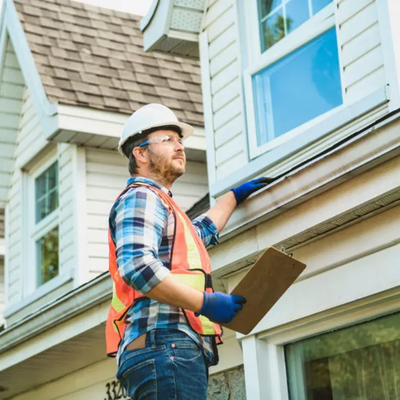
Recognising how local weather impacts roofing performance allows homeowners and investors to plan more effectively. By arranging a professional roof condition report, it is possible to identify early signs of deterioration and take action before they become costly problems. From heat-related cracking to moisture-driven corrosion, Queensland’s climate demands a proactive approach to maintenance to prevent serious roofing damage.
How Heat Affects Roof Performance

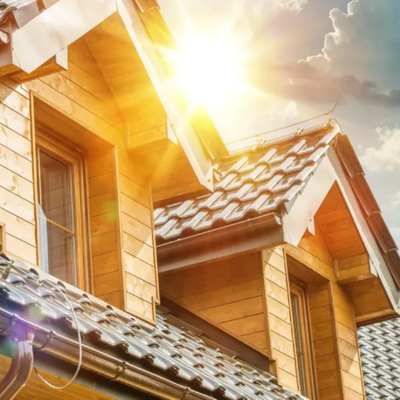
High temperatures are one of the most damaging forces acting on Queensland roofs. Constant sun exposure dries out protective coatings, causes paint to fade, and weakens the sealants that prevent water entry. As materials expand under heat and then contract at night, cracks begin to form in tiles, sheets, and joins. These stresses accumulate over time, gradually reducing roof lifespan and leaving the structure more vulnerable to leaks.

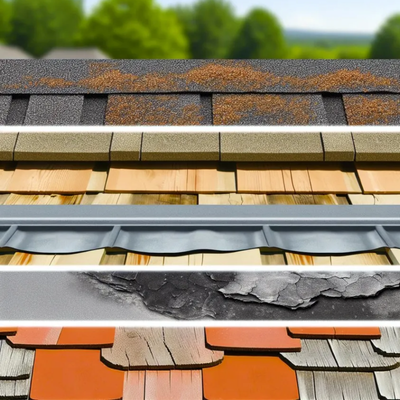
Heat also accelerates the breakdown of metal roofing. Prolonged exposure can cause warping and, when paired with moisture, lead to faster corrosion. On tiled roofs, the combination of extreme temperatures and shifting materials weakens mortar and ridge cappings, creating openings for water ingress. Without regular inspection, these changes often go unnoticed until they develop into visible roofing damage. A roof condition report helps detect early signs of heat stress and guides timely maintenance before deterioration becomes extensive.

Heat, Humidity, and Roof Performance: How Queensland’s Climate Affects Roof Lifespan

The Impact of Humidity on Roofing Materials

Queensland’s high humidity levels are just as destructive as heat when it comes to roofing. Moisture in the air seeps into building materials, creating conditions that weaken roofs over time. When this is combined with summer storms, the risk of hidden deterioration rises sharply.

  • Accelerated corrosion occurs when metal roofing is exposed to humid conditions. Even small scratches or gaps in protective coatings can quickly develop into rust patches that shorten roof lifespan.
  • Mould and moss growth thrive in damp environments. These organisms hold moisture against tiles and sheeting, increasing the risk of water ingress and eventual structural weakening.
  • Expansion and contraction are worsened by fluctuating moisture levels. As tiles or sheets absorb and release dampness, seals and joins loosen, creating gaps for leaks to develop.
  • Increased pest activity is another side effect of humid roof spaces. Damp insulation and timber attract termites, rodents, and other pests that create further damage.
Heat, Humidity, and Roof Performance: How Queensland’s Climate Affects Roof Lifespan

Together, these effects steadily undermine roof performance and create conditions for serious roofing damage. A roof condition report helps homeowners track how humidity is affecting their property and provides clear steps to minimise long-term risks.

Storms and Sudden Weather Shifts in Queensland

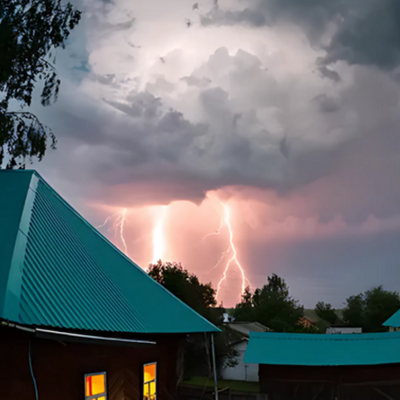
Queensland’s summer storms combine heavy rain, powerful winds, and rapid changes in temperature. These sudden shifts put extreme pressure on roofs that are already weakened by months of heat and humidity. Strong gusts can lift loose sheets or tiles, while heavy downpours exploit even the smallest cracks, causing fast-spreading water ingress. When storms strike, existing vulnerabilities quickly turn into visible roofing damage.

Roofs that have not been inspected often show the most problems after storm season. Tiles may have shifted, flashing can be lifted, and drainage systems become overwhelmed with debris. For property owners, this leads to urgent repairs and, in many cases, higher costs than if the issues had been addressed earlier. Regular checks, supported by a roof condition report, help ensure that the structure is prepared for Queensland’s volatile storm season and able to withstand sudden weather changes.

Heat, Humidity, and Roof Performance: How Queensland’s Climate Affects Roof Lifespan

Protecting Roof Lifespan in a Harsh Climate

Queensland’s environment is demanding, but proactive maintenance can significantly extend the life of a roof. By addressing common risks early and scheduling regular checks, homeowners can reduce the impact of heat, humidity, and storms on their property.

  • Schedule routine inspections before and after storm season. This helps identify small problems such as lifted tiles, rust patches, or loose flashing before they become major issues.
  • Keep gutters and valleys clear of leaves and debris. Blocked drainage systems trap water against roofing materials, which accelerates deterioration and shortens roof lifespan.
  • Repair or replace damaged components quickly. Tiles, sheets, or coatings that are left unrepaired allow water to spread into roof cavities and create further roofing damage.
  • Address rust and mould promptly to prevent growth from spreading. These problems often start small but can quickly affect large sections of the roof if ignored.
  • Use professional reporting to guide maintenance schedules. A roof condition report not only identifies existing problems but also provides a clear plan for ongoing care.
Heat, Humidity, and Roof Performance: How Queensland’s Climate Affects Roof Lifespan

Together, these actions protect both the roof’s performance and the investment it safeguards. By taking a proactive approach, homeowners reduce the risk of sudden failures and extend the lifespan of their roof despite Queensland’s challenging climate.

Protect Your Roof Against Queensland’s Climate

Queensland’s climate is tough on roofs, and without proper care the combination of heat, humidity, and storms can dramatically shorten roof lifespan. What might start as minor cracks, rust, or moisture buildup often develops into serious roofing damage if it goes unnoticed. By taking a proactive approach, homeowners can prevent disruptions, reduce repair costs, and keep their property well protected throughout the year.

If you live in Brisbane, the Sunshine Coast, Moreton Bay, or the Gold Coast, arranging a professional roof condition report is one of the best steps you can take before the summer season arrives. Roof Inspection Reports provides detailed, photo-documented assessments that identify risks and recommend practical solutions. To book an inspection, call 0418 677 524 or click here to contact us online. With expert reporting, you can move into the warmer months with confidence knowing your roof is ready to perform.

FAQ: Roof Reports and Home Renovations

Yes. Renovations put additional stress on a home’s structure, and undetected roof issues can create costly problems mid-project. A roof report provides clarity before work begins.

If issues are uncovered after construction starts, repairs often delay progress and increase costs. Having a roof condition report beforehand allows problems to be addressed in the planning stage.

Roof inspection specialists prepare detailed reports with photos, commentary, and recommendations. Unlike general builders, their focus is solely on identifying roofing risks.

Yes. By identifying defects early, homeowners avoid budget blowouts from hidden repairs. In most cases, the cost of a report is far less than mid-project corrections.

Most roofs should be checked every two to three years, or sooner in areas prone to storms, salt exposure, or high humidity. Regular inspections extend the roof’s life and reduce the risk of sudden roofing damage.