Why Skylights and Roof Windows Often Leak

Skylights and roof windows can be some of the most frustrating roof leak points because the problem is often not as simple as the glass or frame itself. In many cases, the leak sits in the flashing, surrounding roof detail, drainage around the opening, or the way the unit has been fitted into the roof. That can make these leaks harder to judge than more straightforward defects on the main roof surface.

This is part of what makes skylight and roof window leaks worth looking at more closely. They interrupt the normal roof line, rely on good detailing around the opening, and sit in an area where water needs to be managed carefully. When that detail is not performing properly, even a small fault can turn into an ongoing leak issue.
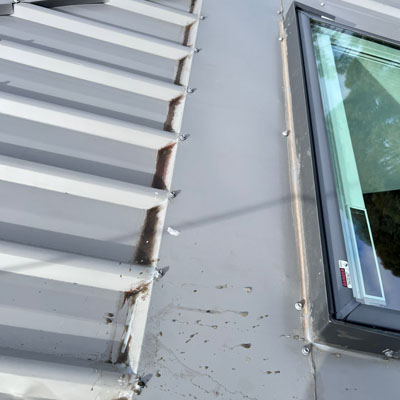
Why Skylights and Roof Windows Are More Vulnerable Than the Main Roof Surface

Skylights and roof windows are more vulnerable than the main roof surface because they interrupt what would otherwise be a continuous run of roofing material. Instead of water simply moving across uninterrupted sheets or tiles, the roof now has to deal with an opening that needs to be properly integrated, flashed, and drained on all sides.

That creates more opportunities for things to go wrong. The unit itself may be sound, but if the surrounding flashing, fitment, or roof detail is not right, water can begin entering around the opening rather than through the skylight or roof window itself. That is why these areas often deserve closer attention than they first appear to.

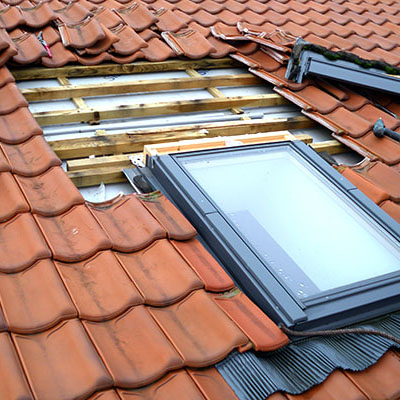
Why Skylights and Roof Windows Often Leak - Vulnerable skylight

Common Reasons Skylights and Roof Windows Leak

Skylight and roof window leaks usually come down to the way the opening has been detailed into the roof rather than the fact that there is glass in the roof itself. In many cases, the problem sits in the surrounding roof work, the flashing, or the way water is being directed around the unit.

Common reasons skylights and roof windows leak include:

These problems do not all behave in the same way, but they share one thing in common. They affect how well the opening is integrated into the roof, which is why leaks around skylights and roof windows often keep returning until the surrounding detail is properly assessed.

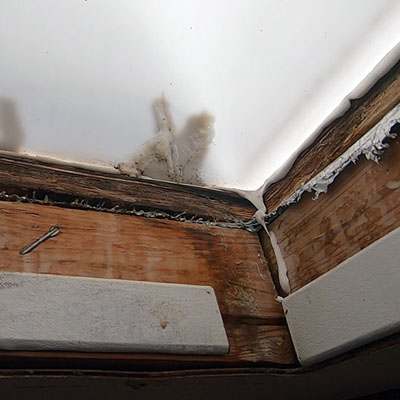
Why Skylights and Roof Windows Often Leak - Leaking flashing

Why Leaks Around Skylights Can Be Hard to Pin Down

Leaks around skylights and roof windows can be hard to pin down because the inside signs do not always match the point where water is first getting in. Staining may show on the plaster shaft, around the internal trim, or at one lower corner of the opening, even when the defect sits higher up the detail or off to one side.

That is what makes these leaks frustrating for property owners. The visible water mark can draw attention to the skylight unit itself, while the real issue may be sitting elsewhere around the opening. When the repair is based only on where the water appears inside, it is easier to misread the problem and treat the wrong area.

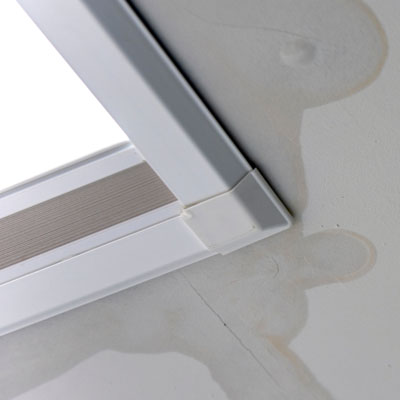
Why Skylights and Roof Windows Often Leak - Skylight leak

When the Problem Is Not the Skylight Itself

It is easy to assume the skylight or roof window unit is the problem when water starts appearing nearby, but that is not always the case. In many situations, the glass and frame remain sound while the real issue sits in the surrounding roof condition. The flashing, roofing material, fixings, or drainage around the opening may be what is actually allowing water in.

That distinction matters because it changes the repair approach. Replacing part of the unit or sealing around the visible edge may do very little if the defect is really in the way the skylight has been integrated into the roof. Before work is carried out, it often makes more sense to look at whether the surrounding roof condition is contributing to the leak rather than assuming the skylight itself has failed.

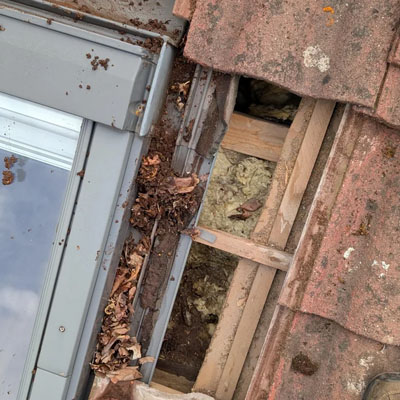
Why Skylights and Roof Windows Often Leak - Roof defect surrounding skylight

Why Quick Repairs Around Skylights Often Do Not Last

Quick repairs around skylights and roof windows often do not last because they tend to focus on the visible leak point rather than the detail that is actually failing around the opening. Extra sealant, surface patching, or a minor touch-up may seem to solve the issue for a time, but if the flashing, fitment, or surrounding roof work is still allowing water to track in, the same problem can return under the next period of rain.

That is why skylight leaks can become expensive through repetition rather than scale. The repair itself may not seem major, but if the wrong part of the problem keeps being treated, the leak can continue cycling back. A more durable outcome usually depends on understanding whether the defect sits in the unit, the flashing, or the roof detail around it before more patch work is added.

Why Skylights and Roof Windows Often Leak - Temporary repair to skylight

How a Roof Inspection Helps Clarify Skylight Leak Issues

A roof inspection is useful when a skylight or roof window leak is not clearly coming from one obvious source. Instead of assuming the unit itself has failed, the inspection can help narrow down which part of the surrounding roof detail appears to be contributing to the problem.

A roof inspection can help clarify:

  • whether the leak appears to be coming from the unit or the surrounding roof detail
  • visible flashing defects around the opening
  • drainage issues affecting the skylight area
  • signs of poor installation or earlier patch work
  • whether nearby roof materials are also contributing
  • whether the issue looks isolated or part of a broader defect area
Why Skylights and Roof Windows Often Leak - Poor drainage causing leak

That kind of assessment can make it easier to decide whether the next step should focus on the skylight itself, the surrounding flashing, or the roof detail around the opening.

Booking a Roof Inspection Before Roof Defects Become an Insurance Issue

Roof defects are easier to address when they are identified before insurance questions, renewal concerns, or claim issues begin complicating the picture. If the roof is already showing visible deterioration, unresolved damage, or signs of poor past work, getting clarity early can make it easier to understand what needs attention before those defects become a bigger issue.

At Roof Inspection Reports, we provide detailed roof condition reports across South-East Queensland to help property owners better understand visible roof defects and areas of concern. If you want clearer information about the condition of your roof before insurance questions become more complicated, call 0418 677 524 or click here to contact our team online and arrange a roof inspection report.

FAQ: Skylight Leaks

Skylights can leak because the problem is often in the surrounding roof detail rather than the glass itself. Failed flashing, ageing seals, poor installation, movement over time, or drainage issues around the opening can all contribute.

Yes. A skylight can leak even when the glass and frame are still sound if water is entering through the flashing, the surrounding roof material, or the way the unit has been fitted into the roof.

Flashing is a common cause, but it is not the only one. Skylight leaks can also relate to ageing seals, movement, drainage issues, poor installation, or earlier repairs that did not fix the real source of the problem.

Yes. Heavy rain can expose weaknesses around the roof window opening, especially if the flashing, fitment, or drainage detail is not performing properly.

Skylight repairs often fail when they focus only on the visible leak point instead of the surrounding roof detail. If the real issue sits in the flashing, installation, or drainage around the opening, a quick patch may only provide temporary relief.

A roof inspection can help clarify whether the visible issue appears to be coming from the skylight unit itself or the surrounding roof detail, which makes it easier to decide what should be addressed next.