Ridge Capping Deterioration on Tiled Roofs: What It Means for Your Roof’s Health

Ridge capping is the finishing layer that seals the peak and hip lines of a tiled roof, creating a watertight connection between adjoining roof planes. It is both a protective and structural component, holding tiles in place and directing water away from vulnerable joints. When this section begins to crack or separate, the entire roof becomes more susceptible to water ingress and internal damage.

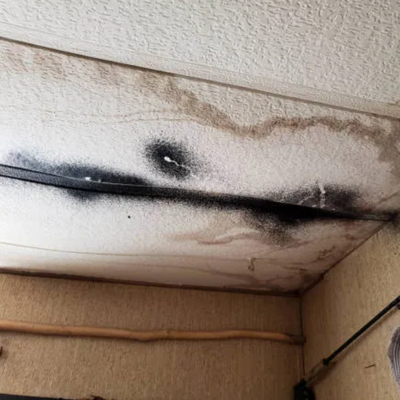
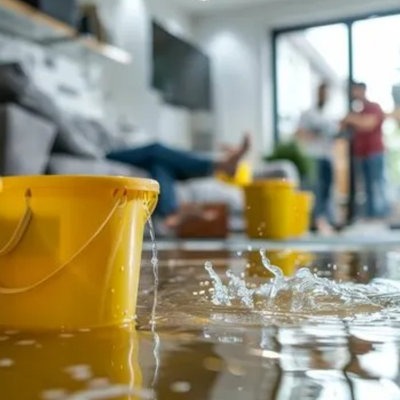
In Queensland, ridge capping deterioration is a common cause of leaks, ceiling stains, and early tile failure. The combination of heat, humidity, and heavy rainfall accelerates the breakdown of mortar and pointing materials. What begins as minor surface cracking often develops into loose or missing sections that expose the roof cavity to moisture. Regular inspection and timely maintenance are essential to preserving both the roof’s integrity and its long-term performance.
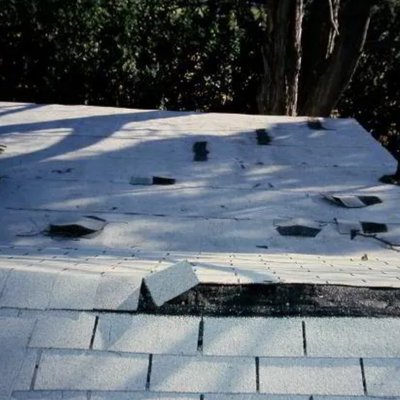
What Roof Joinery Actually Means

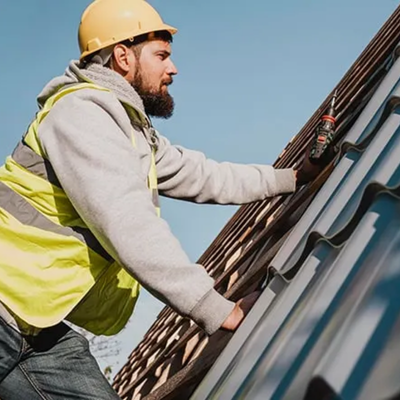
Roof joinery refers to how roofing components connect, including seams, overlaps, fasteners, and flashing joints. These connections are vital because they control water flow and allow the roof to expand and contract as temperatures change. Every join, seam, and overlap must be installed with accuracy to maintain a continuous waterproof barrier. Even small errors in alignment or spacing can compromise that protection.

On metal roofs, poor seam alignment allows water to creep beneath the sheets, while on tiled roofs, uneven overlaps can break the watertight pattern. The quality of joinery directly influences how the roof performs under years of movement, rainfall, and wind pressure. When joints are not sealed or fastened correctly, weaknesses grow over time and lead to corrosion, leaks, and widespread roofing damage.

Ridge Capping Deterioration on Tiled Roofs: What It Means for Your Roof’s Health

What Ridge Capping Does and Why It’s Important

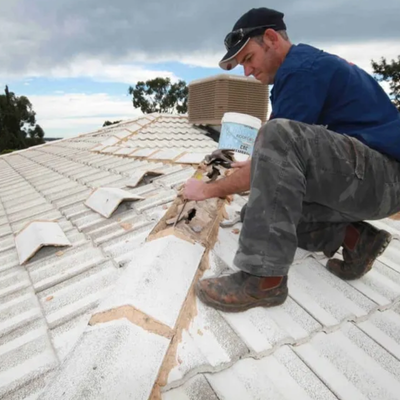
The ridge capping on a tiled roof serves as both a seal and a stabiliser. It closes the gap where two roof planes meet, preventing wind-driven rain from entering while holding ridge and hip tiles securely in position. The capping is typically bedded in mortar, which forms the base, and then covered with flexible pointing that provides a weatherproof seal. This two-layer system ensures strength, flexibility, and long-term resistance to movement caused by temperature shifts and wind pressure.

When installed correctly, ridge capping also supports the alignment of surrounding tiles, maintaining an even roof profile. It plays an essential role in directing water away from joints and into gutters, reducing the risk of pooling or seepage beneath tiles. Over time, though, exposure to heat and moisture causes bedding mortar to harden and crack. Once that happens, water begins to penetrate these fine gaps, and the protective seal around the ridge line gradually fails.

Ridge Capping Deterioration on Tiled Roofs: What It Means for Your Roof’s Health

Common Causes of Ridge Capping Damage

Even high-quality ridge capping deteriorates over time due to environmental stress and movement across the roof structure. In Queensland’s variable conditions, heat, humidity, and storm exposure are the main forces that accelerate wear. The following factors are the most common causes of ridge capping damage on tiled roofs.

  • Ageing mortar eventually becomes brittle and cracks, breaking the bond between ridge tiles and the bedding below.
  • Thermal movement from daily temperature swings causes expansion and contraction that loosens mortar and pointing.
  • Storm exposure erodes flexible pointing or dislodges ridge tiles during high winds and heavy rain.
  • Foot traffic from maintenance, cleaning, or antenna installation can shift or fracture ridge tiles along the roof’s peak.
  • Poor installation or rushed repointing results in weak adhesion and uneven finishes that fail prematurely.

Each of these issues can create small openings that let water into the roof cavity. Once moisture enters, further cracking, staining, and structural deterioration become much more likely.

Ridge Capping Deterioration on Tiled Roofs: What It Means for Your Roof’s Health

How Deteriorated Ridge Capping Leads to Roof Leaks

When ridge capping begins to fail, the protective barrier along the roof’s peak loses its ability to repel water. Cracked or separated pointing allows rain to seep beneath ridge tiles, where it travels down the bedding mortar and into the roof cavity. This water movement is often hidden at first, gradually soaking insulation and staining ceiling plaster before any visible leak appears indoors. Because the ridge line runs across multiple roof planes, a single failure point can allow water to enter large sections of the roof.

Continued exposure to moisture accelerates mortar decay and can lead to structural movement in the roof frame. Timber battens swell and contract as they absorb water, loosening the tiles that rely on them for support. The problem compounds during heavy rain, when saturated mortar begins to crumble and wash away. Left untreated, deteriorated ridge capping becomes one of the main contributors to extensive tiled roof leaks and early roof failure in Queensland homes.

Ridge Capping Deterioration on Tiled Roofs: What It Means for Your Roof’s Health

Signs Your Ridge Capping Needs Attention

Ridge capping deterioration often starts subtly, and early warning signs are easy to overlook from the ground. Visual checks after heavy rain or high winds can reveal problems before they lead to leaks. The following are some of the most reliable indicators that your ridge capping may need maintenance.

  • Cracked or missing mortar along ridge lines shows that the bedding and pointing have begun to fail.
  • Loose or displaced ridge tiles indicate that the bond between the tile and mortar has weakened.
  • Visible gaps or lifting in the pointing material allow wind-driven rain to enter beneath the ridge tiles.
  • Dark streaks or stains running down from the ridge suggest water is tracking beneath the surface layer.
  • Water marks or dampness inside the home after rain often trace back to deteriorated ridge capping.

Spotting these symptoms early helps prevent widespread tiled roof leaks and avoids the need for more costly rebedding work.

When Roof Joinery Fails: How Seams and Overlaps Lead to Roofing Damage

Maintain Your Ridge Capping Before Damage Spreads

Deteriorated ridge capping may seem minor, but once cracks appear or mortar begins to loosen, water can travel far beyond the ridge line. Acting early prevents moisture damage, protects ceiling spaces, and reduces the cost of future roof repairs.

If your tiled roof shows signs of ageing or visible ridge movement, it may be time for a professional assessment. At Roof Inspection Reports, we inspect ridge capping and roof pointing in detail to identify where repairs are needed. Call 0418 677 524 or click here to contact us online to arrange an inspection across Brisbane, the Sunshine Coast, Moreton Bay, or the Gold Coast.

FAQ: Ridge Capping and Roof Maintenance

Ridge capping is the row of tiles or capping units that seal the peak and hip lines of a tiled roof. It protects the joints between roof planes from rain and wind, keeping the roof watertight and structurally stable.

Most tiled roofs should have their ridge capping checked every five to ten years, or after severe storms. Regular inspections help identify cracks, movement, or mortar separation before they lead to leaks.

Yes. Even small cracks allow water to enter beneath ridge tiles and into the roof cavity. Over time, this moisture can damage insulation, ceiling plaster, and timber framing.

Repointing involves applying a flexible sealant over existing bedding to restore the weatherproof barrier. Rebedding replaces the mortar layer beneath the ridge tiles entirely when it has deteriorated beyond repair.

With proper maintenance, ridge capping can last 15 to 20 years. However, strong sun, humidity, and heavy rainfall in Queensland can shorten that lifespan if regular inspections are not carried out.