Why Roof Lifespan Depends on More Than Just the Material

People often ask how long a roof should last, but the answer is rarely as simple as naming the material. Two roofs made from the same product can end up in very different condition depending on how they were installed, how well water has been managed across them, what kind of weather exposure they have faced, and how consistently they have been maintained over time.

That is why roof lifespan is not just a question of age. A roof may still be performing well after many years if it has been detailed properly and looked after, while another may be showing clear signs of decline much earlier because of drainage issues, coastal exposure, storm stress, poor past repairs, or ongoing neglect. Looking at the roof material in isolation only tells part of the story.
Why Roof Age and Roof Lifespan Are Not the Same Thing

Roof age and roof lifespan are not the same thing because the number of years since installation does not tell you how well the roof has actually performed over that time. A roof that has been installed well, drained properly, and maintained consistently may still be in solid condition after many years, while another of a similar age may already be showing visible decline because it has been exposed to harsher conditions or ongoing defects.

That is why age on its own can be misleading. It might give some general context, but it does not explain whether the roof has been carrying repeated moisture stress, poor past repairs, corrosion, movement, or other issues that shorten service life. In practical terms, the condition of the roof often tells you more than the installation date ever will.

Why Roof Lifespan Depends on More Than Just the Material - Roof Age and Roof Lifespan are not the same thing

What Shortens a Roof’s Lifespan

A roof can lose years off its service life when the conditions around it are working against it, even if the material itself is generally durable. In many cases, the issue is not the roofing product alone but the environment, installation quality, and repair history that shape how the roof performs over time.

Common factors that can shorten a roof’s lifespan include:

  • Poor installation
  • Coastal exposure
  • Repeated storm stress
  • Poor drainage design or runoff control
  • Lack of maintenance
  • A history of short-term patch repairs

These factors affect roofs in different ways, but they all have the potential to place repeated stress on the system and reduce how long it performs as it should.

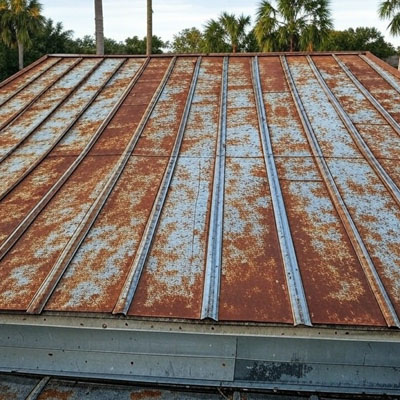
Why Roof Lifespan Depends on More Than Just the Material - Coastal exposure

Why the Same Roofing Material Can Age Very Differently From One Property to Another

Two roofs made from the same material can age very differently because the conditions around them are rarely the same. One property may be better protected from wind and salt exposure, have cleaner drainage paths, and receive more consistent maintenance, while another may be dealing with harsher weather, recurring overflow, poor detailing, or a history of patch repairs that have gradually weakened performance.

That difference is what makes roof lifespan so variable in practice. Material still matters, but the way the roof has been installed, exposed, repaired, and maintained often plays a much bigger role than people expect. That is why one roof may still be holding up well after many years while another of the same material is already showing signs of accelerated decline.

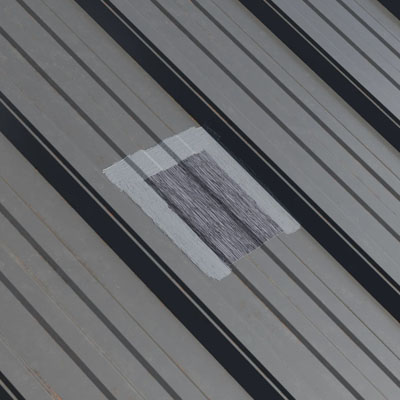
Why Roof Lifespan Depends on More Than Just the Material - Roof patch repair

Signs a Roof May Be Ageing Faster Than It Should

A roof does not need to reach an extreme age before showing signs that its condition is slipping faster than expected. In many cases, the warning signs show up through visible deterioration, recurring problem areas, or defects that keep reappearing despite earlier attention.

Common signs a roof may be ageing faster than it should include:

When several of these signs start appearing together, they can suggest the roof is no longer ageing evenly and may need closer assessment.

Why Roof Lifespan Depends on More Than Just the Material - Defective flashing

Why Roof Condition Matters More Than the Year It Was Installed

The age of a roof can give some useful context, but it does not tell you whether the roof is still performing well, declining evenly, or approaching the point where larger decisions may need to be made. Two roofs installed in the same year can be in very different condition depending on how they have been exposed, maintained, and repaired over time.

That is why roof condition is usually the more useful guide when lifespan becomes a concern. Age can tell you how long the roof has been there, but condition tells you how it is actually holding up now. When the question is whether the roof still has useful life left in it, the visible condition of the roof matters more than the installation date on its own.

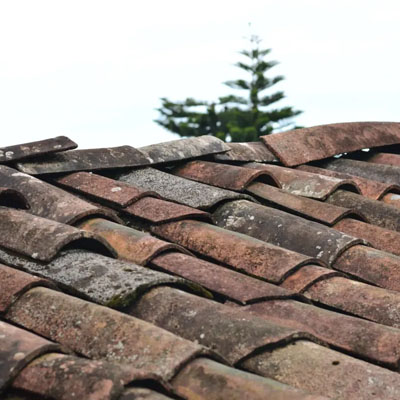
Why Roof Lifespan Depends on More Than Just the Material - Aged roof

How a Roof Condition Report Helps Clarify Roof Lifespan Concerns

A roof condition report can be useful when the main question is no longer just how old the roof is, but how well it is actually holding up. Rather than relying on age alone, the report helps clarify whether the visible condition of the roof suggests normal wear for its age or signs that it may be ageing faster than it should.

That can be especially helpful where there are recurring defects, visible deterioration, or uncertainty about whether the roof is still performing as expected. A clearer assessment of condition makes it easier to judge whether the roof appears to have useful life left in it or whether the visible signs are pointing to broader concerns that need attention.

Why Roof Lifespan Depends on More Than Just the Material - Roof Inspection Report

Booking a Roof Inspection When Roof Age Becomes a Concern

When roof age becomes a concern, it can be useful to assess the visible condition of the roof before making assumptions based on years alone. A roof may still have useful life left in it, or it may be showing signs that its condition has declined faster than expected because of drainage issues, weather exposure, poor past repairs, or other contributing factors.

At Roof Inspection Reports, we provide detailed roof condition reports across South-East Queensland to help property owners better understand visible roof defects and areas of concern. If you want clearer information about the condition of your roof as it ages, call 0418 677 524 or click here to contact our team online and arrange a roof inspection report.

FAQ: Roofing Lifespan

There is no single answer that applies to every roof. Roof lifespan depends on more than just the material and is also shaped by installation quality, drainage, weather exposure, maintenance, and repair history.

Not always. A roof can be older and still performing well, while another may be showing clear signs of decline much earlier. The visible condition of the roof is often a better guide than age alone.

Yes. Poor maintenance can allow smaller issues such as drainage problems, loose details, corrosion, or earlier damage to keep affecting the roof over time, which can reduce how long it performs properly.

They can. Coastal exposure can place extra stress on a roof over time, particularly where salt, wind, and moisture are affecting materials and details on a regular basis.

They can. Repeated repairs may suggest the roof is carrying ongoing issues or that the same areas are continuing to deteriorate rather than ageing evenly.

Yes. A roof condition report can help clarify whether the visible condition of the roof suggests normal wear for its age or whether signs of deterioration are pointing to a reduced service life.