
Roof Safety Audits, Inspections & Certification

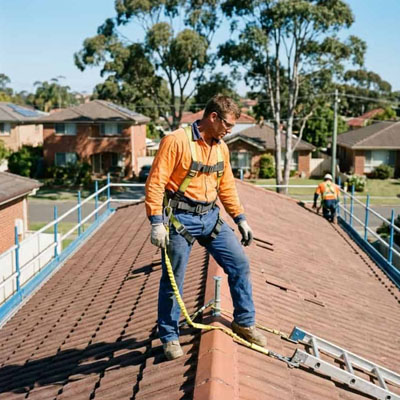
Roof safety systems need to remain suitable for the way a roof is accessed and used, particularly on commercial buildings where maintenance, servicing and other work may require people to regularly enter roof areas. An independent roof safety inspection can provide a documented assessment of installed safety systems, access points and other relevant components within the agreed inspection scope.

Roof Inspection Reports provides roof safety audits and inspections for commercial properties across South-East Queensland, with reporting and certification provided where applicable to the system and inspection performed. The aim is to give building owners, facility managers and other responsible parties a clear record of the condition of the roof safety systems assessed and any issues that may require further attention.

What Can Be Included in a Roof Safety Inspection?

The scope of a roof safety inspection will depend on the safety systems installed, the way the roof is accessed and the purpose of the assessment. Where relevant and within the agreed scope, the inspection may include:

  • Roof anchor points and associated attachment details
  • Fall-arrest or restraint system components
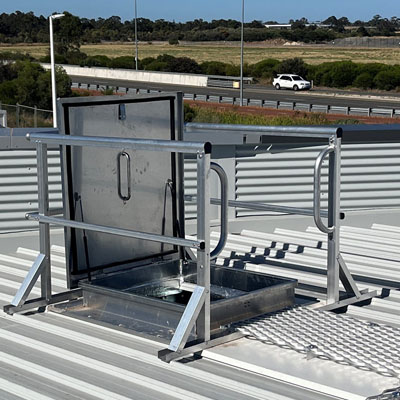
  • Roof access points and designated access areas
  • Visible condition of installed roof safety equipment
  • Fixings and connections associated with the safety system
  • Identification, labelling and available inspection records
  • Signs of corrosion, damage, movement or deterioration
  • Areas requiring further testing, rectification or specialist review

The inspection should also record any parts of the system that could not be safely accessed or fully assessed. This provides building owners and facility managers with a clearer picture of the installed system’s condition without implying that every roof or safety system will require the same inspection scope.
Need More Information?

Roof Safety Requirements and Current Standards

Roof safety requirements sit within a broader framework for managing the risk of falls at work. In Queensland, WorkSafe Queensland states that businesses must manage risks where a person could fall from one level to another, with higher-order controls considered before relying on fall-arrest equipment. Where an individual fall-arrest system is used, the current Falls Code of Practice says its components should be inspected by a competent person after installation before use, at regular intervals and after the system has arrested a fall. Those inspections should follow the manufacturer’s specifications and the relevant standards.

For personal equipment used for work at height, the current Australian/New Zealand Standard is AS/NZS 1891.4:2025. Standards Australia describes the latest edition as covering the selection, use and maintenance of equipment including anchors, fall-arrest devices, horizontal lifelines and rail systems, with updated guidance around inspection, maintenance and traceability. A roof safety audit therefore needs to consider the particular systems installed, the manufacturer’s requirements and the applicable safety framework rather than applying one blanket inspection interval or certification rule to every roof.

Roof Safety Audits, Inspections & Certification - Managing fall risks

Roof Safety Requirements and Current Standards

Roof safety requirements sit within a broader framework for managing the risk of falls at work. In Queensland, WorkSafe Queensland states that businesses must manage risks where a person could fall from one level to another, with higher-order controls considered before relying on fall-arrest equipment. Where an individual fall-arrest system is used, the current Falls Code of Practice says its components should be inspected by a competent person after installation before use, at regular intervals and after the system has arrested a fall. Those inspections should follow the manufacturer’s specifications and the relevant standards.

For personal equipment used for work at height, the current Australian/New Zealand Standard is AS/NZS 1891.4:2025. Standards Australia describes the latest edition as covering the selection, use and maintenance of equipment including anchors, fall-arrest devices, horizontal lifelines and rail systems, with updated guidance around inspection, maintenance and traceability. A roof safety audit therefore needs to consider the particular systems installed, the manufacturer’s requirements and the applicable safety framework rather than applying one blanket inspection interval or certification rule to every roof.

Why Periodic Inspection Is Important

Roof safety systems remain exposed to weather, building movement, maintenance activity and changes made to the roof over time. Corrosion, damaged components, altered access arrangements or later roofing work can all affect the condition of a system that may have been suitable when it was first installed.

Periodic inspection helps establish whether the installed system is still in serviceable condition and whether anything has changed since the previous assessment. Where concerns are identified, the findings can be documented for rectification, further testing or specialist review rather than assuming an earlier inspection or certification still reflects the current condition of the roof.

Roof Access Is Part of the Safety Picture

A roof safety assessment is not only about the condition of anchors or fall-arrest equipment. The way people access the roof and move around once they are there can also affect fall risk, particularly where there are unprotected edges, fragile surfaces, changes in level or restricted access routes. WorkSafe Queensland’s falls Code of Practice specifically identifies safe access and exit, roof edges, surface stability and fragility as factors that should be considered when assessing fall hazards.

For a roof access audit, this means looking at the broader access environment as well as the installed safety equipment within the agreed inspection scope. On larger buildings, this can also overlap with a broader commercial roof inspection, particularly where access limitations, rooftop plant or fragile areas affect how the roof itself can be assessed.

Roof Safety Audits, Inspections & Certification - Roof access system

What You Receive After the Inspection

After the assessment, the findings are documented so building owners, facility managers and other responsible parties have a clear record of what was inspected and what was identified. Depending on the agreed scope, this may include photographs, system locations, condition observations, identified defects and recommendations for rectification, further testing or specialist review.

The resulting documentation can also record any inspection limitations and, where applicable, provide the relevant certification or inspection records for the systems assessed. Where the roof itself also requires a broader condition assessment, a commercial roof inspection can document roofing defects, drainage issues and other building-related concerns outside the roof safety system.

Arrange a Roof Safety Audit or Inspection

Where a commercial property has installed roof safety systems or regular roof access is required, an independent assessment can provide a clearer record of the system’s current condition and any issues that may require attention. This can be useful for building owners, facility managers, body corporates and others responsible for managing roof access and safety systems.

Roof Inspection Reports provides roof safety audits and inspections across South-East Queensland, with reporting and certification provided where applicable to the systems assessed. Call 0418 677 524 or click here to contact our team online and arrange an inspection.

Don’t risk untold expenses. Have Roof Inspection Reports give you the full picture