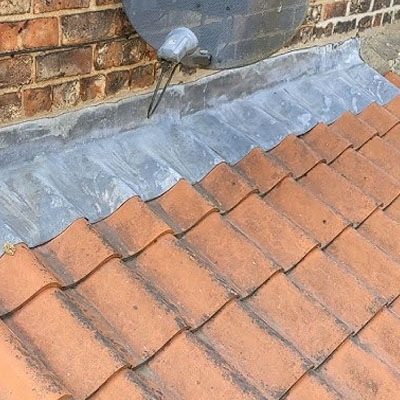
Why Roof Flashing Problems Cause So Many Leaks

Roof flashing problems are one of the most common reasons a roof begins leaking even when the main roof surface still looks reasonably sound. A roof can appear intact from the ground while water is entering at a junction, edge, penetration, or transition point where the flashing has been poorly installed, damaged, or allowed to deteriorate over time. In many cases, the leak is not caused by the broader roof covering but by the detail that was supposed to keep vulnerable areas protected.

That is one reason flashing defects deserve closer attention than many property owners realise. Roof flashing problems are not unusual or minor issues. QBCC says inadequate roof flashing remains in the top ten defects identified by its building inspectors, and its recent industry snapshot also points to flashing and capping installation, penetration sealing, and fixing and alignment issues as common drivers of roof cladding defects. That broader focus also aligns with NCC provisions centred on reducing the risk of water entry and moisture-related building damage.

Why Flashing Problems Deserve Serious Attention

Flashing plays a critical role in protecting the parts of the roof where water is most likely to get in. These are not broad open areas where rain simply runs down the roof sheeting. They are junctions, changes in direction, penetrations, and edge details where water needs to be redirected, sealed out, or controlled properly. If the flashing in those areas is poorly designed, incorrectly installed, or no longer performing as it should, the roof becomes far more vulnerable to leaks.

What makes flashing defects particularly serious is that they often affect the roof long before the source of the leak becomes obvious. Water can enter around a flashing detail and travel into other areas before staining or internal damage appears inside the building. That is why flashing problems are often more than minor finishing issues. They can be a key part of how the roof performs and one of the main reasons leak problems become persistent or difficult to trace.

Why Flashing Problems Deserve Serious Attention

Where Roof Flashing Problems Commonly Occur

Roof flashing problems usually show up in the parts of the roof where water has to be redirected or sealed out properly. These are the spots where the roof meets another surface, changes direction, or opens around a penetration, which is why small defects in flashing can lead to bigger leak issues.

Common places where roof flashing problems occur include:

  • Around penetrations such as plumbing vents and other roof services
  • At roof-to-wall junctions
  • At transitions where roof sections change direction or level
  • Around parapets and roof edges
  • In valleys and other drainage-sensitive areas

These areas are more vulnerable than the broader roof surface because they rely on correct detailing to keep water moving where it should. When flashing fails in one of these locations, leaks can be harder to trace and easier to underestimate early on.

Why Flashing Defects Often Lead to Leaks

Flashing defects often lead to leaks because flashing is responsible for protecting the most vulnerable parts of the roof. It sits at junctions, edges, penetrations, and transitions where water is more likely to be redirected, slowed, or forced against a detail rather than simply running off the roof surface. If the flashing in those areas is poorly fitted, missing, damaged, or no longer performing properly, water has a much easier path into the roof space.

That is also what makes flashing-related leaks so frustrating. The roof covering itself may still look reasonably sound, but a single weak detail can allow water in during heavy rain or particular wind conditions. Once that happens, the leak may not appear directly below the defect, which is why flashing problems often create ongoing issues that seem harder to trace than expected.

Why Flashing Defects Often Lead to Leaks

Common Flashing Problems Found During Roof Inspections

Some flashing defects are obvious once inspected closely, while others only become apparent when the surrounding roof area is assessed as part of the bigger water path. In many cases, the issue is not that flashing is completely absent, but that it has been cut, fitted, sealed, or positioned poorly.

Common flashing problems found during roof inspections include:

  • Incorrect flashing coverage
  • Poorly cut or badly fitted flashings
  • Heavy reliance on sealant instead of proper detailing
  • Loose, lifted, or deteriorated flashing sections
  • Ponding around transition flashings
  • Defects around Dektites and other penetrations
Common Flashing Problems Found During Roof Inspections

Problems like these can leave the roof more vulnerable to water entry even when the broader roof surface still appears intact. That is why flashing defects are often a major focus during roof inspections when leak concerns are being assessed.

How Roof Condition Reports Help Identify Flashing Defects

A roof condition report helps identify flashing defects by documenting the visible condition of the areas where leaks often begin. Rather than relying on guesswork, it gives property owners a clearer picture of where flashing problems are present, how they appear, and which parts of the roof may need further attention.

This can be especially helpful when leaks have been recurring or when the source of the problem is not obvious from inside the building. Flashing defects are often more complicated than they first seem, and a roof condition report can help show whether the issue appears isolated or part of a broader pattern affecting roof performance.

Booking a Roof Inspection Before Leaks Get Worse

Flashing defects are often easier to deal with when they are identified before repeated leaks, internal damage, or more extensive deterioration develops. Getting the roof assessed early can provide clearer information about what is visibly happening and whether the flashing detail may be contributing to the problem.
At Roof Inspection Reports, we provide detailed roof condition reports across South-East Queensland to help property owners better understand visible roofing defects and areas of concern. If you want clearer answers about flashing issues, leak risks, or the condition of your roof, contact our team by calling 0418 677 524 or clicking here to arrange a roof inspection report.

Booking a Roof Inspection Before Leaks Get Worse

FAQ: Roof Flashing Problems

Roof flashing helps protect the parts of the roof where water is most likely to enter, such as junctions, penetrations, edges, and transitions. It is designed to direct water away from vulnerable points and reduce the chance of leaks developing in those areas.

Yes. Poorly installed, damaged, or deteriorated flashing can allow water into the roof system even when the main roof covering still appears sound. In many cases, flashing defects are one of the main reasons persistent leaks develop.

Not always. Many flashing problems occur in areas that are harder to assess during a casual visual check, such as roof-to-wall junctions, penetrations, valleys, and transitions. That is why the roof can look fine at a glance while still carrying a flashing defect.

Yes. Flashing defects can raise compliance concerns if the flashing has been installed incorrectly, does not provide adequate protection, or falls short of accepted roofing requirements for the roof system in place.

Yes. Flashing is one of the key areas assessed during a roof inspection because it plays such an important role in preventing water entry. Problems with flashing are often a major focus when leak concerns are being investigated.

Yes. If the flashing problem is not properly identified and addressed, water can keep entering during certain weather conditions or heavy rainfall. This is one reason flashing defects can lead to recurring leaks that seem to return after earlier repair attempts.