The Silent Damage After Storm Season: What Roofs Reveal Weeks Later

Storms often cause more than the immediate damage visible on the day they pass through. While some issues appear straight away, a large portion of post storm roof damage develops quietly over the following days or weeks. Moisture settles into concealed areas, materials shift as they dry, and minor storm stresses begin to show only after conditions return to normal. From the outside, the roof may seem unaffected, yet subtle deterioration inside the roof cavity is already underway.

These late signs catch many homeowners off guard because they do not resemble the typical image of storm damage. Instead of broken surfaces or missing components, the early indicators are slow changes within the roof structure that progress over time. This delayed behaviour is common throughout Queensland storm season roofing and is a major reason why silent deterioration becomes a problem long after the weather event has ended.
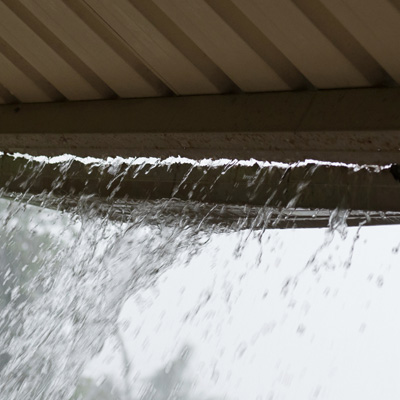
Why Some Storm Damage Appears Weeks Later

Roofing materials continue to move and adjust long after a storm has passed, which is why certain issues are not visible straight away. When wind and heavy rain force moisture into joints, laps, insulation, and timber, the roof cavity begins a slow drying cycle that can take days or weeks to complete. As these materials cool, settle, and release trapped moisture, small defects that were not obvious immediately after the storm begin to reveal themselves.

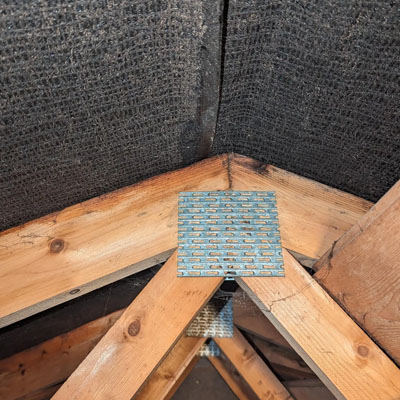
Delayed roof damage also occurs because moisture often follows concealed paths inside the roof cavity. Water can rest behind underlays, pool in insulation, or sit against framing until repeated wet and dry cycles gradually expose the affected areas. This behaviour creates late-appearing roof leaks and internal roof moisture patterns that seem to surface long after the storm event, even though the source can be traced back to the same period of severe weather.

The Silent Damage After Storm Season: What Roofs Reveal Weeks Later

Roof Components Most Affected by Slow Storm Damage

Some parts of a roof are more prone to showing deterioration after the storm rather than during it. These components may hold moisture, shift under wind pressure, or experience gradual weakening that only becomes visible once the roof cavity begins to dry out. Because these areas often appear intact immediately after the weather event, the full extent of post storm roof damage may not be recognised until weeks later.

  • Valleys that trap moisture along their length and show staining or corrosion once drying begins.
  • Underlays that sag after saturation and begin to retain dampness around low points.
  • Ridge and hip zones where bedding or pointing loosens slowly from repeated wind movement.
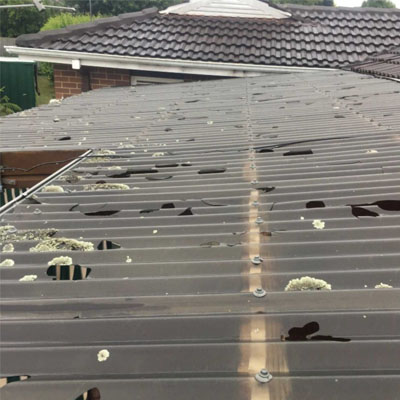
  • Fasteners that lift in small increments under wind load and reveal their effect after the event.
  • Laps where moisture becomes trapped and initiates delayed corrosion along sheet edges.
  • Gutters that deform slightly under storm overflow and show problems only after water flow returns to normal.

These components may look normal at first glance, yet the subtle storm-related stresses they endure often appear only when the roof cavity transitions back to dry conditions. Identifying these areas early helps prevent their deterioration from progressing unnoticed.

How Moisture Behaves Inside the Roof Cavity After Storms

Moisture inside the roof cavity does not always drain or evaporate as quickly as expected. After a storm, water can settle in insulation, timber framing, and low points in the underlay where airflow is limited. As the cavity cools overnight, this moisture condenses again on internal surfaces, prolonging damp conditions even when the exterior of the roof appears to have dried. This slow cycle allows damage to begin forming quietly as materials hold moisture for longer than they were designed to.

Ventilation also plays a major role in how long moisture remains inside the roof cavity. When airflow is disrupted, trapped humidity lingers and encourages gradual deterioration of timber, fasteners, and insulation. Over time, these repeated wet and dry cycles create the type of late-appearing roof leaks and internal roof moisture patterns that are often linked to post storm roof damage. The behaviour is subtle, which is why the effects commonly surface well after the storm event has passed.

The Silent Damage After Storm Season: What Roofs Reveal Weeks Later

Early Signs That Late Storm Damage Is Developing

The first indicators of delayed roof damage are often subtle and easy to overlook because they do not resemble typical storm failures. Instead of sudden leaks or obvious breakage, homeowners may notice gradual changes inside the home as storm-related moisture begins to show its effects. These changes are usually isolated at first, only becoming clearer as the affected materials continue to dry and shift.

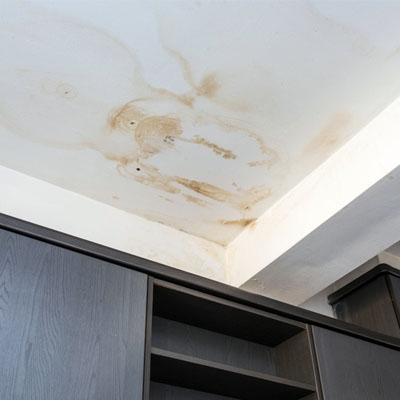
  • New ceiling stains that appear days after heavy rain and slowly increase in size.
  • Damp insulation detected during unrelated maintenance or electrical work.
  • Musty odours developing in particular rooms or roof spaces.
  • Rust forming on fasteners, sheet edges, or fixings that previously showed no corrosion.
  • Slight bubbling or softening of ceiling paint as moisture begins to move through plasterboard.
  • Localised mould patches that appear in areas with no visible external leaks.
The Silent Damage After Storm Season: What Roofs Reveal Weeks Later

These early signs often point to hidden roof storm damage that has been developing quietly since the weather event. Prompt attention at this stage helps prevent slow deterioration from becoming a larger structural or internal issue.

How Older Roof Materials Respond to Storm Moisture Over Time

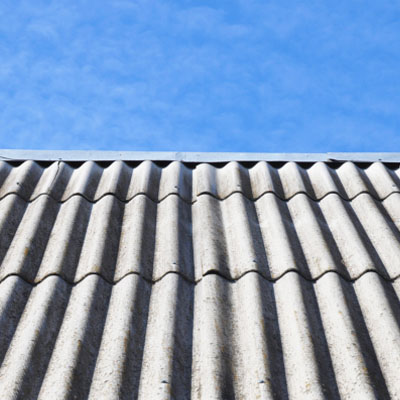
Age changes the way roofing materials cope with storm moisture, which is why older roofs often show delayed deterioration more noticeably. Coatings thin, metal surfaces oxidise, and underlays lose their strength after years of heat exposure. When storms saturate these ageing materials, they take longer to dry and are more prone to holding moisture in areas that once released it more easily. This extended retention increases the likelihood of slow-forming deterioration that surfaces days or weeks after the weather event.

Timber framing and battens also respond differently as they age. Older timber absorbs moisture more readily and can take longer to return to equilibrium once conditions settle. Fasteners embedded in weathered timber may loosen slightly as the material swells and shrinks, creating small movement paths that become visible only after repeated drying cycles. These changes do not always create immediate leaks during the storm, yet they contribute significantly to post storm roof damage that appears well after the event has passed.

The Silent Damage After Storm Season: What Roofs Reveal Weeks Later

Roof Inspections That Find Storm Damage Missed Immediately After a Storm

A roof inspection completed after the weather has settled can reveal issues that were not visible during the first round of checks. As materials dry and moisture begins to move through the roof cavity, new patterns emerge that help pinpoint where storm-related deterioration has begun. Inspectors look for subtle signs such as uneven drying, isolated staining, moisture trapped in insulation, or early corrosion along laps and fasteners. These indicators do not always appear straight after the storm but become clearer as conditions return to normal.

A detailed roof condition report also documents the progress of deterioration that develops over the weeks following a severe weather event. Inspectors trace moisture paths, assess how long affected areas have been damp, and compare current conditions to known storm timelines. This provides a clearer picture of whether the damage is consistent with storm exposure or part of an unrelated issue. For homeowners, these inspections offer a reliable way to understand post storm roof damage and address hidden problems before they escalate.

The Silent Damage After Storm Season: What Roofs Reveal Weeks Later

What to Do After Storm Season to Prevent Long-Term Damage

Taking the time to check key areas after storm season can make a significant difference in preventing slow deterioration. Once the weather stabilises, it helps to look for new marks on ceilings, changes in roof cavity scent, or early signs of corrosion around gutters and sheet edges. Addressing these clues early reduces the chance of hidden storm moisture causing deeper structural issues or spreading into new areas of the home.

If you want clarity on whether slow-forming damage has begun inside your roof, an assessment provides a clear understanding of the roof’s condition after the season has passed. At Roof Inspection Reports, we identify deterioration that develops over time and document the areas that need further attention before they worsen. Contact Roof Inspection Reports by calling 0418 677 524 or clicking here to arrange a roof condition report and stay ahead of any post storm roof damage that may be developing quietly.

FAQ: Post-Storm Roof Damage and Delayed Deterioration

Moisture can remain trapped in insulation, underlays, and framing. As these materials dry slowly, new staining, corrosion, or movement becomes visible over time.

Yes. Moisture that enters during a storm may take days or weeks to travel through the roof cavity, meaning stains can emerge long after the weather event.

Not always. Limited ventilation, humid conditions, and saturated insulation can slow the drying process and allow deterioration to continue.

Yes. Many forms of post storm roof damage are easier to identify after the materials have settled and drying patterns reveal hidden moisture paths.

Valleys, fasteners, laps, insulation, and ridge zones often show slow-forming signs because they retain moisture or shift under wind pressure.

They can. A clear inspection record helps determine whether the issue relates to the recent storm or an older condition, which is important in claim discussions.