The Long-Term Effects of Improper Roof Pitch on Drainage and Damage

A well-designed roof should shed water efficiently and protect the structure beneath it from long-term deterioration. But when the roof pitch is incorrect, water doesn’t flow as intended. Instead of draining smoothly, it may collect in valleys, pool in flat spots, or overflow at the wrong points. This slowly introduces damage that compounds over time.

Whether you’re dealing with a low-slope roof or suspect a design flaw, it’s important to recognise the hidden effects of improper roof pitch. These issues are often invisible from the ground but can significantly shorten a roof’s lifespan if left unaddressed.
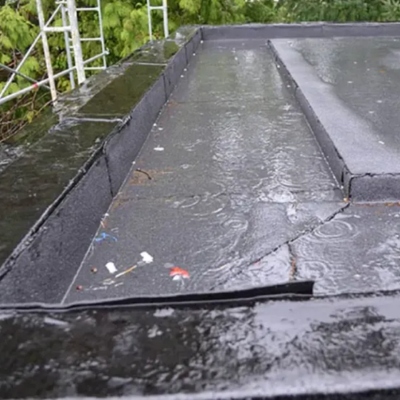
Why Roof Pitch Matters More Than You Think

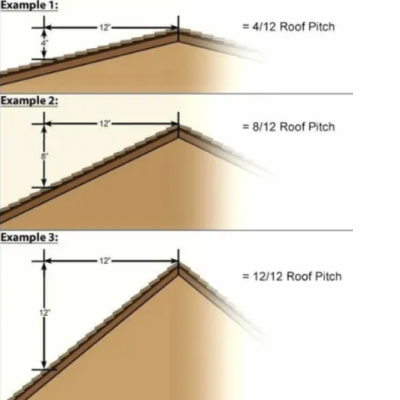
The roof pitch, or the angle at which a roof slopes, is one of the most critical design factors in determining how water behaves during and after rainfall. While some minor roof issues are caused by surface wear or faulty materials, an incorrect pitch alters the way water moves entirely. This doesn’t just create runoff problems; it can affect the structural performance of the entire roofing system.

Unlike a broken tile or a rusted valley, improper roof pitch is a problem rooted in design. It is often present from the day of construction or introduced during poorly planned extensions or renovations. Because the symptoms take time to appear, homeowners might not realise there’s a problem until significant roof drainage issues or internal water damage occurs.

The Long-Term Effects of Improper Roof Pitch on Drainage and Damage

Signs That Your Roof Pitch May Be Causing Problems

Certain symptoms often indicate the roof isn’t sloped properly, even if the surface looks fine at first glance. Recognising them early can help prevent costly long-term repairs.

  • Water stains or mould developing in the same internal areas after each rain event may suggest water isn’t being directed away efficiently.
  • Overflowing gutters with no visible blockages could point to slow water runoff caused by a low or inconsistent roof pitch.
  • Uneven water patterns or damp areas on roofing materials may appear after light rain, especially near flashing or penetrations.
  • Pooling water or excessive leaf buildup in roof valleys might indicate water is lingering too long instead of draining away.
  • Unusual wear on specific parts of the roof, including corrosion on metal sheets or frequent reappearance of leaks in one zone, can be a warning that water is constantly trapped there.
The Long-Term Effects of Improper Roof Pitch on Drainage and Damage

If you’re seeing one or more of these symptoms, the underlying issue may not be the roofing material. It may be the angle itself. A professional assessment is the first step to resolving it.

How Poor Roof Pitch Affects Drainage Over Time

Even a small error in pitch can result in water lingering where it shouldn’t. Water that sits too long on the surface increases the risk of roofing damage through corrosion, material degradation, and internal moisture seepage. In some cases, water may travel sideways into seams or flashings, especially in metal or low-slope roofing systems.

Over time, trapped moisture leads to hidden water ingress. This can affect ceiling insulation, timber rafters, and structural framing. Mould may develop in wall cavities or roof voids, particularly in high-humidity regions. For buildings with flat or skillion roofs, the lack of drainage gradient puts extra pressure on sealants and penetrations, which deteriorate faster when exposed to pooling water.

These slow-developing issues are often missed in routine building inspections, especially if they have not yet caused visible internal leaks. Without a targeted inspection, many property owners continue with patch repairs while the root cause goes undetected.

The Long-Term Effects of Improper Roof Pitch on Drainage and Damage

Types of Roofs Most Affected by Incorrect Pitch

Some roofing styles are more vulnerable to pitch-related issues due to their shape or reliance on minimal gradient for drainage. When these roofs are designed or installed without proper pitch calculations, the risk of roof drainage issues increases significantly.

  • Low-slope metal roofs often depend entirely on correct pitch for drainage. If the slope is even slightly off, water may sit or reverse-flow into overlaps.
  • Skillion roofs with long, flat spans rely heavily on a consistent pitch. Uneven settling or poor design can cause ponding in the centre.
  • Flat-roofed patios or additions attached to existing homes may be built with a pitch that is too subtle or mismatched with the existing drainage system.
  • Homes with multiple roof levels or extensions frequently develop pitch mismatches, especially where different contractors have worked on the structure over time.
  • Properties in high-rainfall regions like South-East Queensland require a higher standard of drainage performance. A small pitch error in these areas can have faster and more severe consequences.
The Long-Term Effects of Improper Roof Pitch on Drainage and Damage

These roofing styles demand precision. Poor pitch can turn otherwise durable materials into leak-prone surfaces, particularly after repeated exposure to storms or heavy rainfall.

Can Improper Pitch Be Corrected Without Replacing the Roof?

In some cases, pitch-related problems can be corrected without a full roof replacement, but the options depend on the roof type and the severity of the error. Metal roofs, for example, may be re-pitched by adjusting battens or replacing sheets with a more appropriate profile. Flat roofs can sometimes be retrofitted with improved drainage or fall-correcting overlays.

For tiled or framed roofs, structural correction may be required. This could involve altering the framing to change the angle of the roof surface, which can be complex and expensive if not planned early. In many cases, property owners do not realise the pitch is at fault until water damage forces a deeper inspection.

A roof condition report is the best way to assess the scope of the issue. These reports clearly document pitch-related problems, water flow patterns, and signs of long-term impact. With expert advice and photographic evidence, you can make informed decisions about whether to repair, retrofit, or redesign.

The Long-Term Effects of Improper Roof Pitch on Drainage and Damage

Book a Roof Assessment to Identify Pitch-Related Issues

If you’ve noticed persistent roof drainage issues, recurring leaks, or areas where water collects after rain, it could be more than surface wear. It may be the result of improper roof pitch. These issues often develop silently until major damage occurs. By then, repair costs are far higher, and internal damage may already be underway.

A professional roof condition report provides a clear picture of your roof’s design and drainage performance. At Roof Inspection Reports, we service Brisbane, Moreton Bay, the Sunshine Coast, and the Gold Coast. Our reports identify drainage problems, pitch concerns, and potential structural risks with detailed documentation and repair advice.

Don’t wait until water starts dripping through the ceiling. If something doesn’t feel right with your roof’s performance, it’s time to book a proper assessment. Give Roof Inspection Reports a call on 0418 677 524 or you can click here to contact us online.

Frequently Asked Questions

You may notice water pooling, frequent gutter overflows, or leaks in the same areas after rain. A condition report can confirm whether the pitch is causing drainage issues.

In some cases, yes. Metal roofs or low-slope surfaces may be adjusted using battens or structural modifications. More complex roofs may require redesign.

No. It can also be caused by blocked gutters, sagging frames, or surface deformities. However, pitch is a common underlying cause that’s often overlooked.

Tiled roofs generally require steeper pitch than metal roofs to function properly. High-rainfall regions also benefit from steeper slopes for faster runoff.

It depends on the policy. Some insurers may exclude damage caused by poor design or installation. A roof report helps clarify condition and liability.