Roof Noises Explained: What Common Sounds Can Indicate

Roof noises are a common concern for homeowners, particularly when they occur at night or during sudden temperature changes. Sounds such as popping, clicking, or creaking can be unexpected and unsettling, especially when there are no visible signs of damage. In many cases, these roof noises are linked to normal movement within the roofing system as materials respond to heat, cooling, and wind pressure.

At the same time, changes in roof sound patterns can indicate increasing stress within the structure. When movement becomes uneven or restrained, noise can signal loosening fixings, material fatigue, or developing structural issues. Distinguishing between normal roof movement noise and sounds that suggest deterioration is an important step in determining whether further assessment is needed.
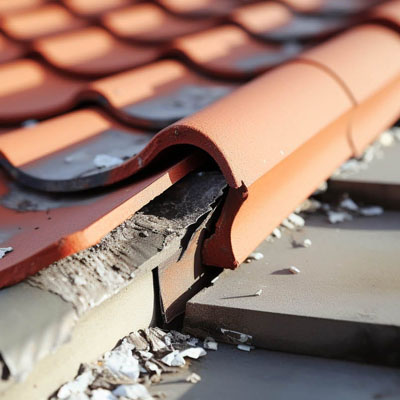
Where Roof Movement Turns Into Sound

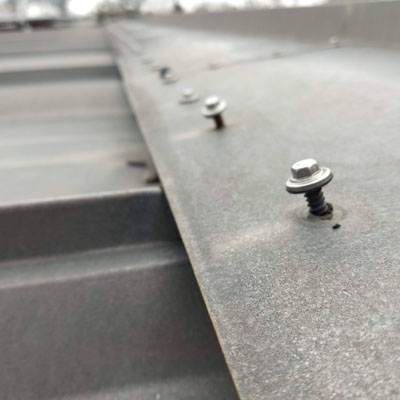
Roof noises are produced at specific points where movement is restricted rather than across the roof as a whole. While roofing materials are designed to expand and contract, they are also fixed in place at certain interfaces. These restraint points create tension as materials move against fasteners, framing, and adjoining components. When that tension is released unevenly, it becomes audible as a pop, click, or creak.

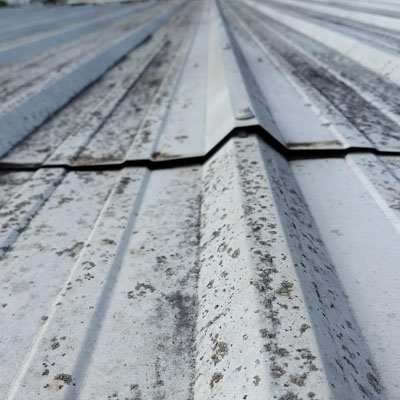
Common sound-generating points include the connection between roof sheets and fasteners, contact areas between sheets and battens, and junctions where framing members meet. At these locations, even minor movement can produce noise if components bind briefly and then slip. This is why roof sounds often originate from the same area repeatedly, rather than across the entire roof surface. The sound itself is not caused by movement alone, but by movement interacting with restraint.

Roof Noises Explained: What Common Sounds Can Indicate

Common Roof Noises and What They Usually Indicate

Roof noises tend to follow recognisable patterns, with different sounds pointing to different types of movement or interaction within the roof system. While a single noise does not confirm a fault on its own, the character of the sound can help narrow down where it is coming from and what is causing it. This makes sound a useful early indicator when assessing roof behaviour.

  • Sharp popping sounds often occur during rapid temperature changes as roof sheets release built-up tension at fixing points.
  • Creaking noises are commonly linked to slow structural movement as framing members adjust under changing loads.
  • Clicking sounds usually originate at fasteners or sheet overlaps where restrained movement is released in small steps.
  • Ticking noises frequently appear during cooling cycles as materials contract unevenly across the roof surface.
  • Rattling sounds during wind events may indicate loosened fixings or components moving more freely than intended.
  • Thudding or shifting noises can occur when pressure changes cause larger roof sections to settle or flex.

These sound patterns help identify the general source of movement but do not always point to damage on their own. Consistency, location, and change over time are far more important than the presence of noise itself when assessing whether further investigation is required.

Roof noises explained and what common sounds can indicate

When Roof Noises Are Considered Normal

Not all roof noises indicate a problem. Many sounds are a natural result of materials responding to daily temperature changes and settling back into place. Metal roofs, in particular, are designed to move as they heat and cool, which can produce occasional popping or ticking noises without any underlying defect. When these sounds follow a predictable pattern, such as occurring during evening cooling or early morning warming, they are generally part of normal roof behaviour.

Normal roof noises also tend to remain consistent over time. They usually originate from broad areas rather than a single point and do not increase in frequency or intensity. In these cases, the roof structure and fixings are still controlling movement as intended. Understanding the difference between expected movement noise and irregular sound patterns helps determine whether a roof is simply adjusting to conditions or showing early signs of uneven restraint.

Understanding common roof noises and their causes

Noises That Can Signal Developing Problems

Some roof noises fall outside normal movement behaviour and can indicate that components are no longer controlling movement evenly. These sounds often change over time, become more localised, or begin appearing under conditions that previously caused no noise. When this happens, sound can be an early warning that restraint points such as fasteners, fixings, or supports are starting to lose effectiveness.

  • Noises that increase in volume or frequency over weeks or months rather than remaining consistent.
  • Sounds coming from the same small area of the roof each time movement occurs.
  • Clicking or snapping noises that occur without significant temperature change.
  • New noises appearing after storms or strong wind events rather than during normal daily cycles.
  • Movement sounds paired with visible sheet, tile, or flashing shift when viewed externally.
  • Repeated sounds during light wind that were previously only heard during stronger conditions.
What common roof sounds may indicate about roof movement

These patterns suggest that movement is becoming less controlled and more abrupt at certain points within the roof system. While they do not always mean immediate failure, they often indicate developing issues that benefit from closer assessment before further deterioration occurs.

Why Roof Noises Often Appear at Night

Roof noises are often more noticeable at night because this is when temperature changes occur more gradually and the roof begins to cool after daytime heat exposure. As materials contract, stored tension is released at fixing points, joints, and interfaces, producing sounds that may not have been audible during the day. This cooling phase tends to happen over several hours, which is why noises can appear intermittently rather than all at once.

Night-time conditions also make roof noises easier to notice. With lower background noise from traffic, appliances, and daily activity, even minor sounds stand out more clearly. In addition, internal temperatures stabilise faster than external roof surfaces, increasing the rate at which materials move relative to one another. This combination of contraction and quiet surroundings explains why roof noises often seem more pronounced after dark, even when the roof behaviour itself has not suddenly changed.

Explaining roof noises caused by normal movement and restraint

How Roof Materials Influence Noise Levels

Different roofing materials transmit and amplify sound in different ways, which is why noise levels can vary widely from one roof to another. The way materials expand, contract, and interact with fixings affects not only how much movement occurs, but also how clearly that movement is heard inside the home. Understanding material behaviour helps explain why some roofs are noticeably louder than others under the same conditions.

  • Metal roofing tends to amplify expansion and contraction sounds because sheets move across larger spans and transfer vibration efficiently.
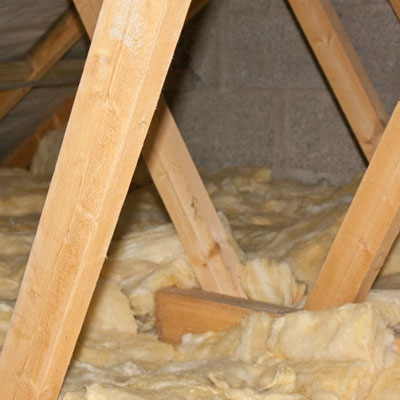
  • Timber framing can carry creaks and groans as members flex and settle under load.
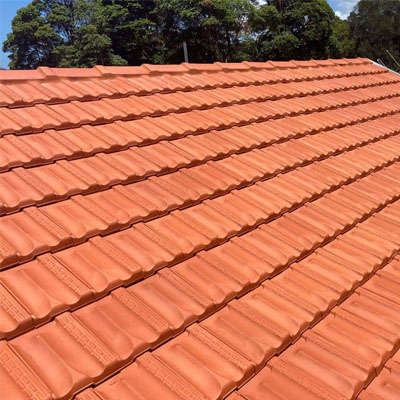
  • Tile roofs may produce movement sounds at bedding and contact points, particularly where tiles shift slightly against one another.
  • Fasteners and clips often act as sound transfer points when movement is restrained and released.
  • Underlays and insulation can either dampen noise or allow it to travel, depending on thickness and condition.
  • Roof pitch and span length influence how much movement occurs before sound is generated.
Common roof noises and what they indicate about roof behaviour

These factors do not automatically indicate a problem, but they do affect how roof noises present and how noticeable they are. Material choice plays a significant role in whether normal movement remains quiet or becomes audible under everyday conditions.

Noise Patterns Identified During a Roof Inspection

When roof noises are reported, a roof inspection focuses on identifying patterns rather than isolated sounds. Inspectors look at where noises are most frequently heard, whether they occur across multiple areas or originate from a single zone, and how they relate to known restraint points such as fasteners, joints, and transitions. These patterns help distinguish between general movement noise and sound linked to uneven restraint or developing deterioration.

During a roof inspection, attention is also given to fixing condition, washer compression, alignment of sheets or tiles, and signs of repeated movement at contact points. Areas that show early loosening, inconsistent clamping pressure, or surface wear often correlate closely with reported noise locations. By documenting these observations in a roof condition report, noise behaviour can be assessed in context, helping determine whether the sounds reflect normal roof movement or indicate issues that may progress if left unaddressed.

Common roof noises and what they indicate about roof behaviour

What to Do When Roof Noises Change or Increase

Changes in roof noise patterns are more significant than the presence of sound alone. When noises become louder, more frequent, or begin occurring under conditions that previously caused no sound, it suggests that movement within the roof is becoming less controlled. Keeping note of when the noise occurs, where it is heard most clearly, and whether it has shifted over time helps establish whether the behaviour is stable or progressing.

If roof noises are becoming more pronounced or unpredictable, an assessment provides clarity before secondary issues develop. At Roof Inspection Reports, we review noise-related movement, check fixing and restraint points, and document findings in a roof condition report. Call 0418 677 524 or click to call to arrange an inspection and address roof noise behaviour before it contributes to loosening fixings, material wear, or broader roof deterioration.

FAQ: Roof Noises and Movement

No. Many roofs make occasional sounds as materials expand and contract. Noise becomes more relevant when it changes in frequency, volume, or location.

Cooling cycles increase contraction at restraint points, and reduced background noise makes sounds more noticeable.

Metal roofs tend to transmit movement sounds more clearly due to larger sheet spans and direct fixing points.

Yes. Clicking is often linked to restrained movement at fasteners, washers, or sheet overlaps.

Yes. Noise changes can indicate uneven restraint or early loosening before visible damage appears.

A roof inspection can correlate reported noise locations with fixing condition, movement zones, and wear patterns to determine whether the behaviour is normal or developing.