How Poor Roof Vent Placement Leads to Condensation Damage

Roof vents are installed to help release heat and moisture from the roof cavity, but when placement is wrong, they can introduce the very problems they are meant to reduce. Poor roof vent placement can allow moist air to settle instead of escape, creating the conditions for condensation damage to form above ceilings and within roof timbers. In many homes, this process begins quietly and continues for long periods before visible signs appear.

Condensation damage linked to ventilation is often mistaken for roof leaks or storm-related moisture entry. Water may not be entering from outside at all, but forming inside the roof space as warm, humid air cools against roofing materials. When this moisture has no clear exit path, it begins to affect insulation, framing, and internal finishes. Poor roof vent placement turns normal humidity into a long-term source of internal roof moisture and deterioration.
How Roof Vent Placement Controls Moisture Movement

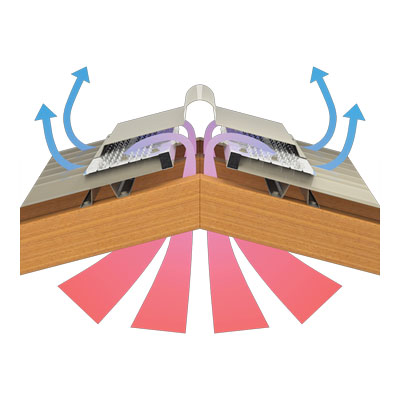
Air inside a roof cavity is constantly moving in response to temperature and pressure changes. As the roof heats up during the day, warm air rises and seeks an exit point, while cooler air is drawn in to replace it. When roof vents are positioned correctly, this movement creates a steady flow that carries heat and moisture out of the roof space before it can settle on internal surfaces.

When vent placement is poor, this natural movement becomes disrupted. Moist air can enter the cavity but fail to exit efficiently, causing it to slow, cool, and release moisture onto the underside of roofing materials and framing. Instead of flowing out, the air circulates within the cavity and allows condensation in the roof space to build over time. This is how roof ventilation problems become a direct cause of roof cavity moisture buildup rather than a solution to it.

How Poor Roof Vent Placement Leads to Condensation Damage

Common Roof Vent Placement Errors

Most condensation issues linked to vents come down to where they are positioned rather than the type of vent used. Even good-quality vents can work poorly if placement does not align with how air is meant to move through the roof cavity. These errors are often made during original construction or later roofing upgrades when ventilation layout is not reassessed.

  • Vents placed too low on the roof slope where warm, moisture-laden air cannot exit efficiently.
  • Vents positioned on sheltered roof faces with minimal wind exposure and weak air draw.
  • Too many intake vents installed without balanced exhaust vents to carry moist air out.
  • Exhaust vents installed too close to ridges, valleys, or other airflow disruptions.
  • Vents that are partially or fully blocked by insulation, framing, or stored items inside the roof cavity.
  • Vent spacing that does not match roof size, shape, or pitch, leaving stagnant air zones.
How Poor Roof Vent Placement Leads to Condensation Damage

These placement errors interrupt normal airflow patterns and allow moisture to remain trapped inside the roof space. Once that moisture settles, it becomes the starting point for condensation damage and internal roof moisture problems.

How Poor Vent Placement Leads to Condensation Damage

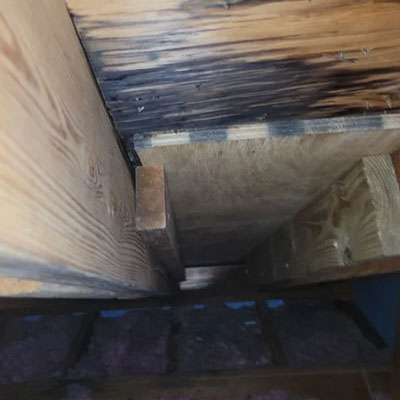
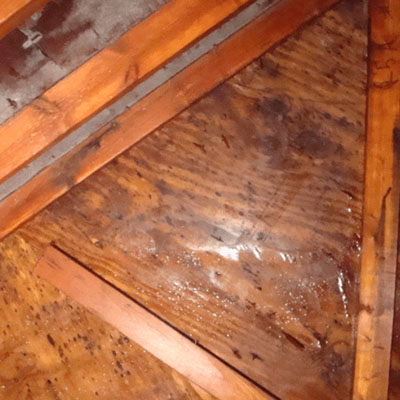
When moist air enters the roof cavity and cannot exit efficiently, it begins to cool as it comes into contact with the underside of roofing materials and framing. As the air cools, it releases moisture in the form of condensation. This moisture settles on timber, metal fixings, insulation surfaces, and roof underlays, creating a damp internal environment that is unrelated to any external leak. Over time, this repeated moisture release becomes a persistent source of roof condensation damage.

Because this process happens inside the roof space, it often develops without any immediate signs inside the home. Moisture can build gradually on framing and insulation with no dripping water and no obvious ceiling stains at first. As condensation continues to form night after night, internal roof moisture increases and begins to affect structural materials. This is how poor roof vent placement turns everyday humidity into long-term internal deterioration rather than a short-term moisture event.

How Poor Roof Vent Placement Leads to Condensation Damage

Internal Damage Caused by Ongoing Condensation

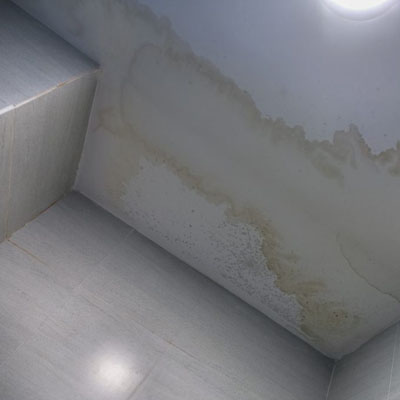
Condensation does not usually cause sudden, obvious leaks. Instead, it creates a slow internal damp environment that affects multiple parts of the roof structure and ceiling system over time. Because this damage develops out of view, it is often well advanced by the time visible signs appear inside the home.

  • Mould growth forms on roof timbers, underlays, and within insulation layers.
  • Insulation becomes damp and loses its thermal resistance, which increases indoor heat transfer.
  • Timber framing begins to soften, distort, or lose strength due to constant moisture exposure.
  • Metal fixings and fasteners corroding earlier than expected from repeated condensation contact.
  • Ceiling linings deteriorate from prolonged exposure to moisture trapped above the surface.
  • Persistent odours develop inside the home as internal materials remain damp over long periods.
How Poor Roof Vent Placement Leads to Condensation Damage

This type of damage rarely stays contained to one area of the roof space. Once condensation becomes established, moisture spreads through materials and allows deterioration to progress quietly across a wider section of the structure.

Why Condensation Damage Is Often Misdiagnosed

Condensation damage is frequently mistaken for roof leaks because the visible signs can look very similar. Ceiling stains, damp patches, or peeling paint are often blamed on stormwater entry, broken tiles, or failed flashings. In many cases, repairs focus on sealing the roof surface while the real moisture source inside the roof cavity remains active and untreated.

Another reason condensation is misdiagnosed is that the moisture does not always appear in the same location where it forms. Water can travel across insulation, timber, and internal surfaces before becoming visible inside the home. This causes confusion about the true source of the problem and can lead to repeated repairs that do not resolve the underlying ventilation issue. Without a targeted roof inspection, condensation damage linked to poor vent placement can continue quietly even after surface repairs appear successful.

How Poor Roof Vent Placement Leads to Condensation Damage

Renovation and Installation Factors That Make Vent Placement Worse

Changes made to a home after construction often interfere with the way air was originally intended to move through the roof space. When these changes occur without a review of vent layout, airflow can become restricted or redirected in ways that trap moisture. This is one of the most common reasons condensation problems appear in homes that previously had no issues.

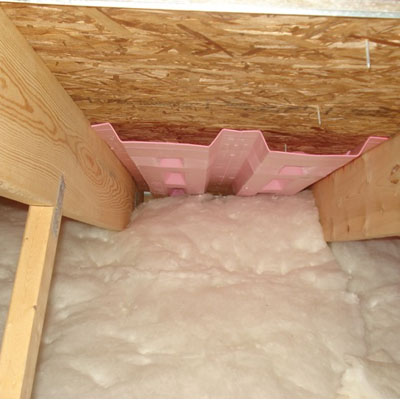
  • Added insulation depth that blocks or restricts existing airflow paths near vents.
  • New roof lines or extensions that change pressure zones and alter how air exits the roof cavity.
  • Re-roofing projects that reuse old vent locations without assessing updated airflow needs.
  • Solar panel installation that shades vent outlets and reduces natural air draw.
  • Skillion roof additions that remove cross airflow and isolate sections of the roof space.
  • Internal ceiling changes that reduce the movement of air between connected roof areas.
How Poor Roof Vent Placement Leads to Condensation Damage

These changes often seem unrelated to ventilation, yet they can significantly disrupt how moisture moves through the roof cavity. After any extension, re-roofing work, or internal ceiling change, a post renovation roof condition report helps confirm whether vent placement still supports proper airflow. This allows condensation risks to be identified early, before moisture begins affecting areas that were previously dry.

How a Roof Condition Report Identifies Vent Placement Issues

Vent placement problems are identified by assessing how moisture, airflow, and internal conditions interact within the roof cavity. During a roof inspection, we examine vent positions in relation to roof pitch, roof shape, insulation layout, and internal air movement. We also look for uneven moisture patterns, mould growth, corrosion on fixings, and damp insulation that indicate moisture is not being cleared effectively.

A roof condition report documents these findings with photos, location notes, and clear descriptions of how vent placement is contributing to condensation buildup. The report outlines whether vents are positioned to allow proper exhaust, whether airflow is being blocked internally, and where moisture is settling as a result. This provides a clear pathway for correcting the underlying ventilation problem rather than treating only the visible symptoms inside the home.

How Poor Roof Vent Placement Leads to Condensation Damage

Managing Vent Placement to Reduce Condensation Damage

Reducing condensation damage starts with restoring proper airflow through the roof cavity so moisture can exit instead of settling on internal surfaces. This often involves correcting vent positions, clearing blocked airflow paths, and balancing intake and exhaust so air can move consistently across the roof space. When airflow is restored, internal roof moisture drops and the conditions that allow mould and deterioration to develop are greatly reduced.

If you are unsure whether poor roof vent placement is contributing to condensation damage in your home, a detailed assessment is the best place to start. At Roof Inspection Reports, we identify how moisture is moving through the roof cavity, document vent placement issues, and provide clear guidance on what needs to be corrected. Contact Roof Inspection Reports by calling 0418 677 524 or clicking here to arrange a roof condition report and gain clarity on the cause of roof condensation damage before internal deterioration spreads.

FAQ: Poor Roof Vent Placement and Condensation Damage

Roof ventilation issues often raise questions because condensation behaves differently from standard roof leaks. These answers address common concerns homeowners have when moisture begins affecting the roof cavity and internal materials.

Yes. When vents are positioned poorly or airflow is unbalanced, moist air can enter the roof cavity and become trapped instead of being exhausted. This allows condensation to form on internal surfaces.

Ventilation only works properly when intake and exhaust are correctly positioned and unobstructed. If vents are blocked, badly spaced, or located in low airflow zones, moisture may not clear from the roof space.

No. Mould can develop from repeated condensation without any external water entering the roof. Ongoing internal moisture alone is enough to cause mould growth.

Yes. Condensation can make insulation damp, reducing its thermal performance and increasing the risk of mould growth and internal deterioration.

Yes. A roof inspection can assess vent layout, airflow paths, internal moisture patterns, and condensation indicators to determine whether ventilation is contributing to the problem.

Vent placement should be reviewed when condensation signs appear, after major renovations, or if mould and internal dampness are present without a clear roof leak.