Capillary Action Leaks: The Invisible Threat in Roof Design

Capillary action leaks are one of the most overlooked roofing issues because they form without visible gaps or clear storm damage. Instead of water entering through an opening, moisture is drawn into narrow spaces by surface contact and begins to move along joints that appear sealed. These hidden pathways can cause stains, rusting laps, and damp battens even when the roof looks sound from the outside.

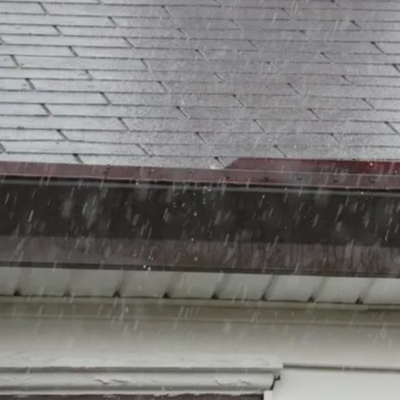
Queensland’s wind-driven rain and humid conditions increase the risk of capillary moisture moving through the roof system. When water sits against tile edges, metal laps, flashings, or valleys, the tight spacing between surfaces can pull moisture into the roof cavity. This highlights how capillary action leaks can affect the roof cavity and internal areas even when the exterior appears sound.
What Capillary Action Is and Why Roofs Are Vulnerable

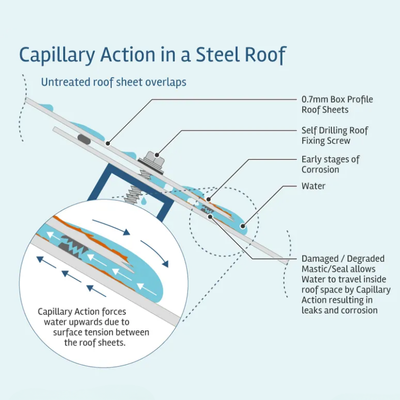
Capillary action occurs when water is pulled through tight gaps because of surface contact. On a roof, this behaviour can move moisture sideways or upwards along joints, laps, edges, and intersections that appear to be closed. These pathways form naturally within roofing systems, which is why capillary moisture can travel long distances before becoming visible.

Roofs in Queensland are particularly vulnerable due to strong wind-driven rain and extended wet periods. When moisture is pressed firmly into narrow joints, the contact between surfaces allows capillary movement to begin. Over time, this can lead to hidden roof leaks, damp timber, and roofing deterioration that are difficult to diagnose without a detailed roof inspection.

Capillary Action Leaks: The Invisible Threat in Roof Design

Common Roof Areas Where Capillary Action Begins

Capillary action can occur in normal roof joints where two materials naturally meet. These areas are not faults and are part of standard roof construction. The close contact between surfaces creates narrow spaces that can draw moisture if water sits against them for long enough. Even well-installed roofs include these compact joints.

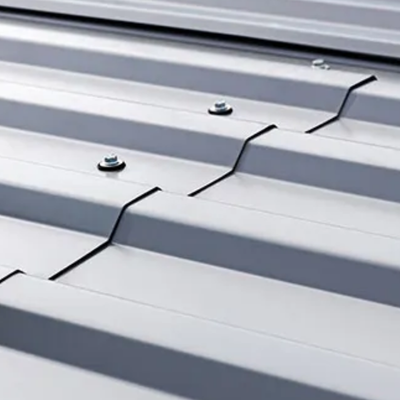
  • Natural laps where metal sheets overlap as intended
  • Tile edges where profiles meet and create small contact points
  • Valley interfaces where tiles rest against metal trays
  • Flashing terminations where a trim meets a surface
  • Ridge and hip junctions formed by bedding and pointing
  • Penetration interfaces where a collar meets the surrounding material
Capillary Action Leaks: The Invisible Threat in Roof Design

These joints only become a problem when water reaches them under the right conditions. Their presence alone does not indicate poor construction or a leak.

Why Capillary Leaks Are Hard to Identify

Capillary action leaks rarely show obvious entry points because the water does not pass through a visible gap or damaged section. Instead, moisture enters a narrow space and travels along the surface until it reaches a point where it can drip or absorb into building materials. This movement can continue long after the rain stops, which makes the timing and location of the leak difficult to link to the actual source. As a result, homeowners often believe the leak is coming from a broken tile or sheet when the moisture is actually tracking from a completely different part of the roof.

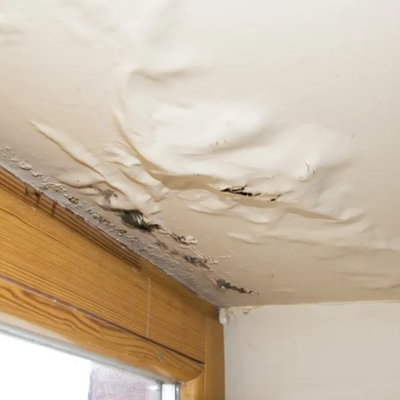
Another challenge is that moisture can travel several metres along battens, insulation, or the underside of metal sheets before it becomes visible inside the home. Ceiling stains, damp timber, or rust spots may appear far from the point where capillary action began. These misleading signs make capillary leaks one of the hardest roof problems to diagnose without a detailed assessment. A roof condition report helps trace these routes by looking for patterns that show how water has moved through the system rather than focusing only on surface damage.

Capillary Action Leaks: The Invisible Threat in Roof Design

Conditions That Increase the Risk of Capillary Leaks

Certain environmental and design conditions make capillary action more likely to occur within the roof. When water remains in contact with surfaces for long periods or is pushed firmly into joints, the chance of moisture entering narrow gaps increases. Queensland’s climate intensifies these scenarios because storms create strong directional pressure on roofing surfaces.

  • Low pitch roofs that slow water movement and keep moisture against laps.
  • Wind-driven rain that presses water into tight joints and contact points.
  • Ageing roof coatings that allow water to cling to metal or tile surfaces.
  • Sheet runs that face prevailing storm directions and hold moisture longer.
  • Valleys carrying high water volumes during heavy rainfall.
  • Renovation changes that alter drainage paths and create new areas of pooling.
Capillary Action Leaks: The Invisible Threat in Roof Design

When these conditions are present, even well-built roofs can develop capillary moisture pathways. Addressing these risk factors early reduces the likelihood of slow, concealed leaks forming over time.

Design and Installation Mistakes That Cause Capillary Leaks

Capillary leaks often develop when installation issues alter the way water should move across the roof. These are not natural joints. They are mistakes or oversights that create tighter gaps than intended, trap water in contact points, or position overlaps incorrectly. Over time, these design or installation issues turn normal joints into active capillary pathways.

  • Metal sheets installed with insufficient overlap or reversed laps
  • Flashings fixed hard against walls with no allowance for separation
  • Tiles placed without the correct clearance at edges
  • Underlaps positioned toward prevailing storm directions
  • Sealants applied where mechanical separation should be used
  • Mixed materials joined without proper spacing or offsets
Capillary Action Leaks: The Invisible Threat in Roof Design

These issues are preventable and usually traced back to installation shortcuts, poor detailing, or renovation changes rather than material failure.

How a Roof Condition Report Identifies Capillary Leaks

Capillary action leaks require a different approach to diagnosis because the entry point is rarely visible. During a roof condition report we look for moisture patterns rather than relying on surface defects alone. This includes checking laps, tile edges, flashings, valleys, and penetrations for narrow gaps where water may be pulled into the system. By examining how moisture has moved across battens, insulation, and internal surfaces, we can trace the likely path of the leak even when the starting point is concealed.

The roof condition report highlights the specific joints, details, or material interfaces that encourage capillary movement. Photos and marked-up diagrams show where water has been tracking and how these pathways are affecting surrounding components. Once the source is identified, we provide clear recommendations that address the detailing issues causing the leak, rather than simply treating the visible symptoms. This approach helps prevent recurring moisture problems and protects the long-term condition of the roof.

Preventing Capillary Action Through Better Roof Detailing

Capillary action becomes far less of a risk when the roof is detailed with suitable gaps, correct lap spacing, and drainage paths that allow water to move away rather than sit against surfaces. By ensuring tiles, flashings, and metal laps have the clearance they need, the system is better able to resist hidden moisture tracking during Queensland storms.

If you are concerned about capillary action leaks or want clear guidance before the next wet season, we can help. Contact Roof Inspection Reports by calling 0418 677 524 or clicking here to arrange a roof condition report and get practical advice on preventing hidden moisture movement.

FAQ: Capillary Action Leaks

Yes. When two surfaces sit very close together, water can travel upward or sideways along the gap through surface contact, even without visible openings.

Capillary leaks often occur during wind-driven rain or heavy downpours that push water into tight joints. Calm rain may not create the same pressure or contact.

Moisture can move several metres along battens, insulation, or metal surfaces before becoming visible, which makes the source difficult to locate without inspection.

Both can be affected. Metal laps, flashings, and valleys are common locations, while tiles can develop capillary pathways at edges, ridges, and intersections.

Yes. Hidden moisture can lead to timber rot, corrosion, damp insulation, and recurring ceiling marks if the capillary pathway is not corrected.

A roof condition report traces moisture patterns and examines detailing at laps, joints, tiles, and flashings to confirm where capillary movement is occurring.