When Roof Joinery Fails: How Seams and Overlaps Lead to Roofing Damage

Roof seams and overlaps are some of the most overlooked parts of a roofing system, yet they play one of the most important roles in keeping water out. When roof joinery is poorly installed or maintained, even the smallest gap can allow moisture to penetrate beneath the surface. Over time, this creates a pathway for corrosion, leaks, and structural movement that weaken the entire roof assembly.

Many roofing problems in Queensland trace back to joinery faults that are invisible from the ground. Inadequate overlaps, misaligned seams, or inconsistent fastening patterns disrupt water flow and strain the roof during heat expansion or strong winds. These weak points may not fail immediately, but once failure begins, the damage spreads quickly and often goes unnoticed until significant roofing damage has occurred.
What Roof Joinery Actually Means

Roof joinery refers to how roofing components connect, including seams, overlaps, fasteners, and flashing joints. These connections are vital because they control water flow and allow the roof to expand and contract as temperatures change. Every join, seam, and overlap must be installed with accuracy to maintain a continuous waterproof barrier. Even small errors in alignment or spacing can compromise that protection.

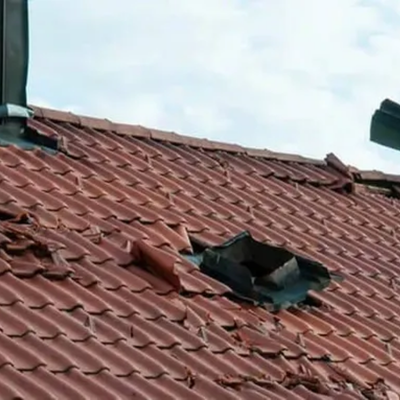
On metal roofs, poor seam alignment allows water to creep beneath the sheets, while on tiled roofs, uneven overlaps can break the watertight pattern. The quality of joinery directly influences how the roof performs under years of movement, rainfall, and wind pressure. When joints are not sealed or fastened correctly, weaknesses grow over time and lead to corrosion, leaks, and widespread roofing damage.

When Roof Joinery Fails: How Seams and Overlaps Lead to Roofing Damage

How Poor Joinery Causes Long-Term Roofing Damage

Even a small flaw in roof joinery can lead to gradual deterioration that worsens with every season. Seams and overlaps are meant to direct water safely across the surface, but when they are installed incorrectly, they create weak points that trap moisture and stress the surrounding materials. The following are the most common ways poor joinery contributes to long-term roofing damage.

  • Misaligned seams allow water to flow backward beneath overlaps instead of off the roof, leading to internal leaks and corrosion.
  • Uneven or loose fasteners create gaps that shift under wind or heat, weakening nearby joints and pulling sheets apart.
  • Shallow overlaps fail to provide proper coverage, allowing water to be driven underneath during heavy rain or strong winds.
  • Inconsistent sealant application leaves exposed edges vulnerable to early wear and moisture intrusion.
  • Using incompatible materials around seams or fixings accelerates rust and breakdown, particularly in humid environments.
When Roof Joinery Fails: How Seams and Overlaps Lead to Roofing Damage

Each of these issues may begin as a minor imperfection but will expand over time as the roof continues to move and weather. When combined, they shorten the roof’s service life and increase the likelihood of widespread corrosion or leakage.

Queensland Conditions That Magnify Joinery Problems

Queensland’s weather puts every element of a roof under stress, and poor roof joinery is one of the first areas to show the effects. Intense sunlight causes materials to expand during the day and contract at night, slowly loosening seams and overlaps. Once gaps appear, moisture settles inside them and begins to corrode the metal beneath protective coatings. This cycle repeats throughout summer, gradually weakening fasteners and increasing the risk of movement or detachment during storms.

Humidity and salt in the air also play a major role in accelerating roofing damage. Even small imperfections in sealants or overlaps can trap condensation, which leads to hidden corrosion in areas that are difficult to access. Over time, these conditions break down the protective barriers that keep water out. The result is a roof that looks intact from above but is deteriorating underneath, with weakened seams and unstable joints that can fail suddenly in high wind or heavy rain.

When Roof Joinery Fails: How Seams and Overlaps Lead to Roofing Damage

Visible and Hidden Signs of Poor Roof Joinery

Not all roofing faults are immediately obvious. Some signs of poor roof joinery appear as small surface issues, while others remain concealed until damage has already developed. Spotting these early can help prevent extensive roofing damage and costly repairs later.

  • Water stains or damp patches around ceiling edges may indicate moisture entering through failed seams or overlaps.
  • Rust or corrosion spreading from fasteners often points to trapped water within joints or poorly sealed overlaps.
  • Lifting or warped sheets suggest movement caused by thermal expansion or wind pressure acting on weak joinery points.
  • Unusual roof noise during high winds can mean panels or flashings are loose where fasteners have failed.
  • Persistent leaks after repairs signal that the problem lies deeper within the roof joinery rather than the surface layer.
When Roof Joinery Fails: How Seams and Overlaps Lead to Roofing Damage

Each of these indicators suggests that the roof’s seams and overlaps are no longer performing correctly. Addressing them early through a detailed inspection can prevent further deterioration and restore proper protection.

How a Detailed Roof Inspection Identifies Joinery Issues

A general property inspection often overlooks the finer points of roof joinery, but a specialist assessment examines each seam, overlap, and fixing in close detail. Inspectors evaluate how the materials are interacting, whether fasteners are correctly aligned, and how water is flowing across the roof. This process reveals gaps that are invisible from the ground but can lead to corrosion and moisture ingress if ignored.

High-resolution photography and condition mapping are used to document what is found, allowing both property owners and contractors to make informed repair decisions. The inspection also identifies workmanship faults, such as uneven overlaps or over-tightened fasteners, that might shorten the roof’s service life. By pinpointing these precise weaknesses, a professional roof report provides clear direction on how to restore the roof’s integrity without unnecessary replacement.

When Roof Joinery Fails: How Seams and Overlaps Lead to Roofing Damage

Protect Your Roof Before Joinery Faults Spread

The strength of any roof depends on the precision of its seams and overlaps. When roof joinery begins to fail, even a small gap can open the way for widespread roofing damage. Addressing these faults early prevents corrosion, leaks, and costly repairs that often appear without warning in Queensland’s harsh climate.

If you suspect weak seams or visible movement across your roof, it’s worth arranging a professional assessment. At Roof Inspection Reports, we specialise in identifying joinery and fastening issues before they escalate. Call 0418 677 524 or click here to contact us online to arrange an inspection across Brisbane, the Sunshine Coast, Moreton Bay, or the Gold Coast.

FAQ: Roof Joinery, Seams, and Overlaps

Roof joinery refers to how roofing sheets, tiles, or panels connect at seams and overlaps. Correct alignment, fastening, and sealing are essential to prevent water ingress and maintain roof strength.

Gaps or misaligned seams allow water to flow beneath the surface instead of across it. Over time, moisture builds up around fasteners and overlaps, leading to corrosion and internal leaks.

Metal roofs expand and contract with heat. If overlaps are too short or fasteners are uneven, this movement creates stress points that loosen joints and expose the roof to water damage.

Yes. Uneven spacing or poor tile alignment breaks the watertight pattern and allows wind-driven rain to penetrate beneath the surface, damaging battens and underlay.

Inspectors use close-up visual checks and photography to assess seams, overlaps, and fasteners. This identifies structural weaknesses and confirms whether the roof needs repairs or re-sealing.