Trees Too Close to Your Roof? Risks You Shouldn’t Ignore

Trees are a valued part of any landscape, offering shade, privacy, and natural beauty. But when tree branches hang too close to your roof, they can cause more harm than you might realise. Even if the branches don’t seem to be touching the surface, the long-term effects can lead to costly repairs and ongoing maintenance problems.

Homeowners often overlook the risks posed by overhanging tree limbs. These branches might sway gently in the breeze, but over time, they can scrape, drop debris, or create damp conditions that lead to roof damage. While some effects are visible, others remain hidden until a roof inspection reveals the full extent of the issue.
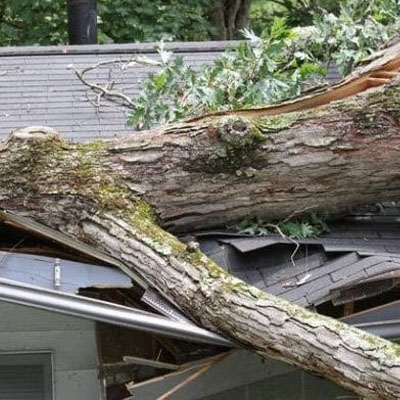
Why Trees Growing Near the Roof Can Be a Serious Problem

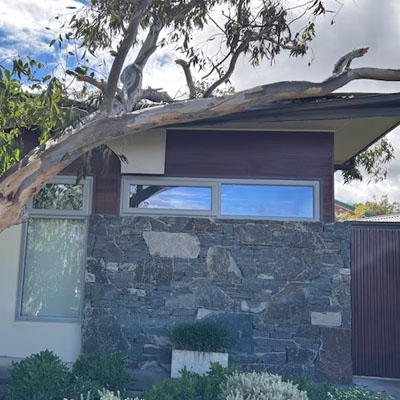
Trees growing close to a home provide aesthetic appeal, but they also introduce potential hazards that many property owners fail to consider. Overhanging tree limbs create persistent contact with roofing materials, contributing to physical wear and trapping moisture in ways that accelerate deterioration. These problems often go unnoticed until internal water damage or pest activity appears inside the property.

During storm season, the risk increases significantly. Wind can cause branches to lash against the roof or even break off entirely, causing sudden structural impact. Beyond physical damage, debris accumulation and shade from tree canopies alter the normal behaviour of your roofing system. Areas that remain damp for long periods become breeding grounds for moss, mould, or rot.

Trees Too Close to Your Roof? Risks You Shouldn’t Ignore

Common Roofing Problems Caused by Overhanging Tree Branches

Overhanging tree branches contribute to more than just cosmetic issues. They affect the long-term health of your roof in several ways, often starting small and gradually growing into major concerns. These problems are common in homes with large trees near the roofline and should not be ignored.

  • Roof damage from scraping limbs: Constant branch movement wears down protective coatings, loosens fasteners, and scratches metal or tile surfaces. This gradual abrasion weakens the roof’s resistance to water and sunlight.
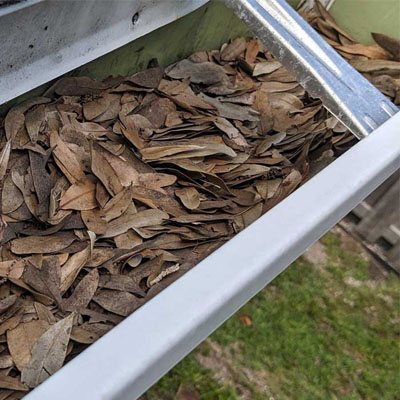
  • Gutter debris and blocked drainage: Leaves, bark, and twigs fall directly into gutters and downpipes, clogging the drainage system. This causes water to back up onto the roof or overflow into structural components, leading to leaks or rot.
  • Moss and moisture buildup: Dense shade from tree branches reduces sunlight and airflow across the roof. This encourages the growth of moss, lichen, and mould, especially in valleys and flat sections where moisture lingers.
  • Impact damage during storms: Branches broken by wind or heavy rain can fall onto the roof with force. Even small limbs can crack tiles, dent metal panels, or cause misalignment of flashing.
  • Pests and animals gaining roof access: Overhanging branches act as bridges for possums, rats, and insects. Once on the roof, they often find entry points into the roof cavity, where they damage insulation or wiring.
Trees Too Close to Your Roof? Risks You Shouldn’t Ignore

Each of these problems becomes more serious over time, especially when they go unnoticed. Regular observation and proactive care are necessary to prevent long-term roof damage caused by nearby trees.

Signs Trees Are Putting Your Roof at Risk

Some of the clearest indicators of tree-related roof problems are visible around the edges of the roof or inside the ceiling cavity. These signs often appear before significant damage occurs and should be treated as early warnings.

Common external signs include sagging gutters filled with leaves, downpipes overflowing during rain, and visible scratching or discolouration on roofing surfaces. If you notice moss growing along shaded areas or roof valleys, it may be a result of poor airflow and trapped moisture caused by tree cover.

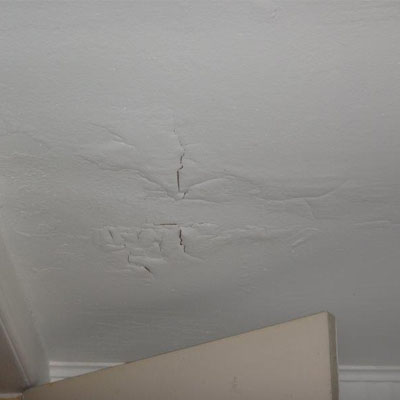
Internal signs are equally important. Water stains on ceilings, musty odours after rain, or bubbling paint along cornices may indicate that water is entering the structure due to blocked drainage or damaged flashing. These symptoms often appear before any physical damage is visible from the outside.

Trees Too Close to Your Roof? Risks You Shouldn’t Ignore

When to Schedule a Roof Inspection for Tree-Related Concerns

When trees are near your home, it’s wise to arrange a roof inspection on a regular basis. Even if no damage is visible, inspections can reveal the early stages of decay, misalignment, or water ingress caused by overhanging limbs. A proper inspection provides peace of mind and can save you thousands in repairs.

  • Check for flashing and surface wear: Inspectors look for areas where scraping or trapped debris has affected flashing, tiles, or metal panels.
  • Inspect for clogged or strained gutters: Gutter systems are assessed for debris buildup and signs of structural stress caused by weight or water overflow.
  • Assess for water ingress from debris buildup: Inspectors check beneath roofing materials for signs that water has entered through valleys or ridges where debris has collected.
  • Document risks related to nearby overhanging tree limbs: A report includes photographic evidence of branch proximity and potential hazards posed by nearby vegetation.
  • Create a roof condition report for insurance or future pruning: The inspection may be used to support claims, maintenance decisions, or contractor briefings for tree removal or trimming.

A roof inspection allows property owners to move forward with clarity, knowing exactly how vegetation is affecting the integrity of the roof and surrounding structures.

Trees Too Close to Your Roof? Risks You Shouldn’t Ignore

Protecting Your Roof Starts with the Trees Around It

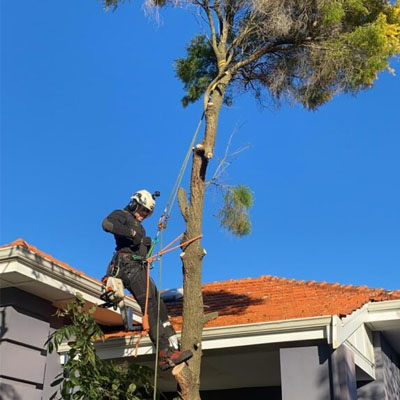
Preventing tree-related roof damage requires ongoing maintenance. Tree pruning is one of the most effective ways to protect your property. It removes direct contact with roofing materials, reduces leaf fall into gutters, and limits the risk of branches breaking during storms.

Trimming should be done by trained professionals who understand how to maintain tree health while protecting nearby structures. Cutting too close to the roof can still result in damage if branches fall or are removed incorrectly. Proper pruning improves light and airflow to the roof, reducing moss buildup and helping roofing materials dry faster after rain.

Trees Too Close to Your Roof? Risks You Shouldn’t Ignore

Get a Roof Condition Report Before Damage Spreads

Overhanging trees are a major contributor to long-term roof deterioration, especially in properties surrounded by dense vegetation. If you’re unsure whether tree branches on your roof are causing damage, a detailed condition report can provide the answers.

We assess roofs across South-East Queensland, including Brisbane, Moreton Bay, the Gold Coast, and Sunshine Coast. Our reports document visible damage, debris buildup, and tree-related hazards so you can act with confidence. Whether you’re preparing for storm season or responding to early signs of water damage, our inspections give you the insights you need to protect your home.

To make sure your leafy friends are not giving your roof grief, get in touch with Roof Inspection Reports on 0418 677 524 or you can click here to contact us online.

Frequently Asked Questions

Tree branches should be trimmed at least two to three metres away from the roof to prevent contact, debris buildup, and animal access.

If a branch causes sudden impact damage during a storm, it may be covered. Ongoing wear or neglect is less likely to qualify. A condition report helps clarify the cause.

Pruning should be scheduled annually or as needed, especially before storm season. Regular trimming helps avoid emergency damage and improves roof performance.

If branches extend over your property, you may be allowed to trim them within your boundary. However, professional advice and communication are recommended.

Yes. We assess the condition of the roof, note any risks from nearby trees, and provide actionable recommendations based on current conditions.