Thermal Bridging & Your Roof: Its Impact & How to Prevent It

Thermal bridging might not be a familiar term for every homeowner, but it plays a significant role in your home’s comfort and energy efficiency. Thermal bridging refers to the points in your home’s structure where heat transfer happens at an accelerated rate due to materials like metal roofing or gaps in insulation. Identifying and addressing thermal bridging through regular roof inspections can significantly reduce energy loss and improve the overall comfort of your home.

What Exactly is Thermal Bridging?

Thermal bridging occurs when heat travels through building materials more quickly than through surrounding insulation. Commonly, structural elements such as metal studs, beams, and metal roofing can act as thermal bridges, allowing heat to escape or enter your home, depending on the season.

This accelerated heat transfer not only affects your home’s internal temperature but can also lead to higher energy bills. Regular roof inspections help detect thermal bridging issues early, ensuring you receive an accurate roof condition report detailing any concerns.

Thermal Bridging & Your Roof: Its Impact and How to Prevent It

How Does Thermal Bridging Affect Your Home?

Thermal bridging impacts your home’s comfort and energy efficiency in several key ways:

  • Increased Energy Costs: As heat escapes or enters your home more easily, your heating and cooling systems must work harder, resulting in higher energy bills.
  • Reduced Indoor Comfort: Thermal bridging creates temperature inconsistencies, leading to colder rooms in winter and hotter rooms in summer.
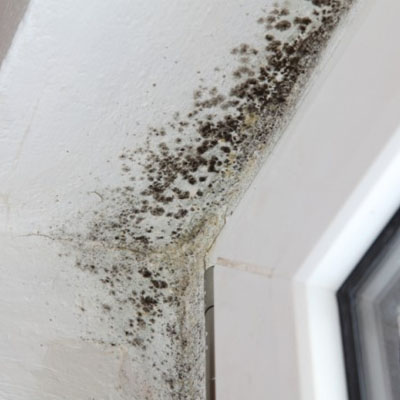
  • Potential for Moisture Issues: Condensation can form on cooler surfaces caused by thermal bridging, potentially resulting in mould growth and structural damage.

By understanding these impacts, you can better appreciate the value of addressing thermal bridging proactively.

Thermal Bridging & Your Roof: Its Impact and How to Prevent It

Identifying Thermal Bridging in Roof Inspections

Professional roof inspections are crucial for spotting thermal bridging effectively. Inspectors will typically look for:

  • Visual Indicators: Dark stains or moisture accumulation around beams or joints.
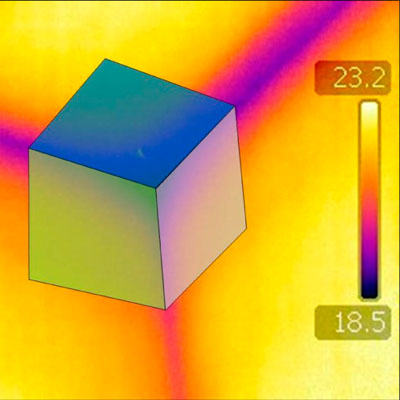
  • Temperature Anomalies: Using infrared thermography to identify areas where temperature differences suggest heat loss.
  • Material Condition: Checking metal roofing, flashings, and structural components for integrity and signs of wear.

A thorough inspection will result in a detailed roof condition report outlining the locations and severity of thermal bridging issues, along with recommended solutions.

Thermal Bridging & Your Roof: Its Impact and How to Prevent It

Preventing Thermal Bridging: Effective Solutions

To mitigate thermal bridging, homeowners have several effective options:

Enhance Insulation

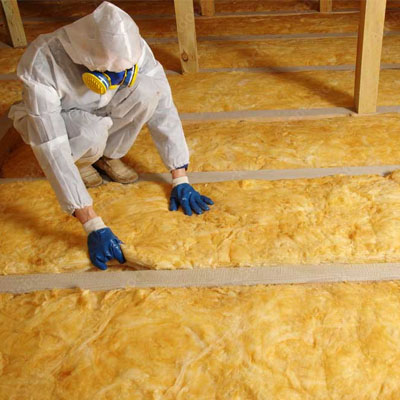
Increasing or upgrading insulation helps minimize heat transfer. Pay special attention to junctions between walls and roofs, as well as around metal roofing elements. Properly insulating these vulnerable areas reduces energy loss significantly and improves your home’s overall thermal performance.

Install Thermal Breaks

Incorporating thermal breaks, which are insulating materials placed between conductive materials, can drastically reduce heat flow. This approach is especially effective when metal components are involved, as it disrupts the path of heat transfer and significantly enhances your building’s energy efficiency.

Use Appropriate Roofing Materials

Selecting roofing materials designed to reduce heat transfer, such as insulated panels or reflective coatings, can significantly cut down on thermal bridging and improve your home’s overall efficiency. Additionally, choosing lighter-coloured roofing materials can reflect solar radiation, reducing heat absorption and further minimizing thermal bridging effects.

Combining these solutions provides comprehensive protection against thermal bridging, enhancing comfort and lowering energy expenses.

Thermal Bridging & Your Roof: Its Impact and How to Prevent It
Thermal Bridging

Protect Your Home – Book a Roof Inspection Today

Don’t let thermal bridging reduce your home’s comfort or inflate your energy bills. Protect your property by booking a professional roof inspection with Roof Inspection Reports. Our detailed roof condition report will help identify any thermal bridging issues and offer practical solutions to enhance your home’s energy efficiency and comfort. You can get in touch with us by calling 0418 677 524 or you can click here to contact us online.

Frequently Asked Questions (FAQ)

Common materials include metal roofing, steel beams, metal studs, and uninsulated structural elements that quickly transfer heat between inside and outside environments.

Yes, thermal bridging can indirectly damage roofs by creating condensation and moisture buildup, leading to mould growth, structural decay, and compromised roof integrity.

Regular roof inspections at least annually, or following extreme weather events, are ideal for identifying thermal bridging issues early.

Addressing thermal bridging can vary in cost, but preventive measures and regular maintenance are generally far less expensive than the costs incurred from energy loss and major repairs.