The Most Common Roofing Issues That Don’t Meet Australian Standards

Many roofing problems that fail Australian Standards are not dramatic or obvious from the ground. A roof can look straight, intact, and free from major leaks while still falling short of compliance due to incorrect installation, poor detailing, or changes made after the original build. In many cases, the issue is not visible damage but the way the roof has been put together.

This is what makes non-compliant roofing difficult for property owners to spot early. Problems such as incorrect pitch, inadequate laps, poor flashing work, or drainage defects may remain unnoticed until water entry, corrosion, or insurance questions arise. Spotting the most common roofing issues early can help prevent unnecessary stress, costly repairs, and bigger compliance problems down the track.
What “Non-Compliant Roofing” Actually Means

Non-compliant roofing refers to roof installation or detailing that does not meet the relevant Australian Building Standards, National Construction Code requirements, or manufacturer specifications for the roofing system being used. This does not always mean the roof is actively leaking or visibly failing. A roof can remain serviceable for a period while still containing defects that fall outside accepted construction requirements.

That distinction is important because compliance is based on performance and correct installation, not appearance alone. A roof may have incorrect laps, insufficient fall, poorly detailed penetrations, or fixing patterns that do not meet the required standard, even though the surface still looks sound. In these cases, the roof is carrying added risk long before obvious damage appears.

Roofing Issues That Commonly Fail Australian Standards

Some roofing defects appear regularly in roofs that do not meet accepted Australian installation requirements. These issues are often linked to installation details rather than obvious surface damage, which is why they can be missed until bigger problems begin to show.

Common roofing issues that may fail Australian Standards include:

Many of these defects are not obvious from the ground because they occur at laps, joins, penetrations, and drainage points. That is why a roof can look acceptable at a glance while still carrying compliance issues that affect long-term performance.

Why These Issues Are Often Missed

Many non-compliant roofing defects are missed because people tend to judge a roof by obvious symptoms rather than installation quality. If the roof is not actively leaking and there is no visible internal damage, defects in areas such as flashings, laps, drainage points, and fixings may not attract attention early on.

Another reason these problems are overlooked is that they often develop gradually rather than causing immediate failure. A roof can appear to perform adequately for a period before recurring leaks, overflow, corrosion, or moisture-related damage begin to reveal that something was wrong all along.

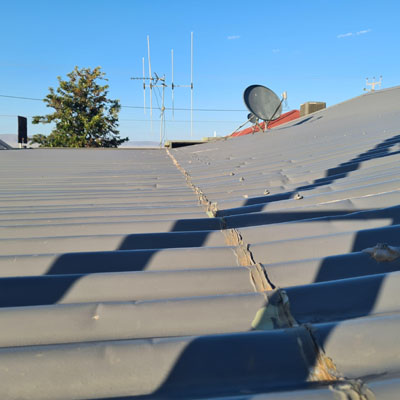
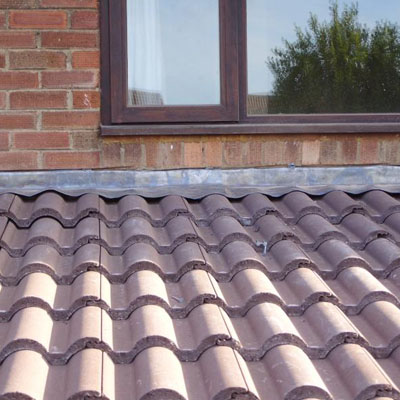
Poorly installed roof flashing

Installation Shortcuts That Lead to Non-Compliance

Many roof compliance issues begin with shortcuts taken during installation rather than problems with the roofing material itself. Small changes made to save time, reduce labour, or simplify difficult areas can leave the roof more vulnerable to leaks, movement, and drainage problems later on.

Common shortcuts that can lead to non-compliant roofing include:

  • Sealant used instead of correct detailing
  • Incorrect sheet alignment
  • Reduced overlap for material savings
  • Reused or mismatched components
  • Rushed installation timing
  • Lack of manufacturer reference
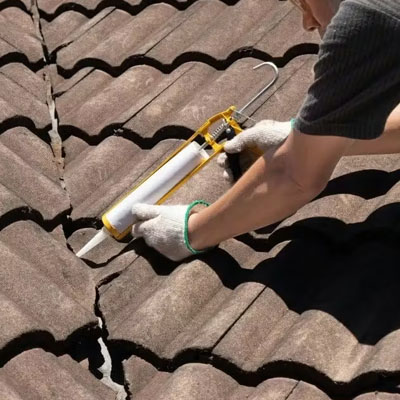
Use of roof sealant instead of proper detailing

These types of shortcuts may not cause immediate failure, which is why they are sometimes overlooked at handover or during casual visual checks. Over time, though, they can contribute to recurring defects that affect performance and make the roof more likely to fall short of accepted installation requirements.

Renovation and Extension Risks

Renovations and extensions can introduce roofing defects when new work is tied into an existing roof without enough attention to drainage, profile compatibility, or detailing. Even if the original roof was performing adequately, changes to the layout can create weak points where falls no longer work properly, water paths are interrupted, or junctions are not flashed correctly.

These problems are especially common where different roof sections meet or where additions alter the way water moves across the building. A mismatch in pitch, poor connection between old and new materials, or changes to guttering and overflow provisions can all create compliance issues that were not part of the original structure. That is why roof extensions and alterations often need closer review than many property owners expect.

When Non-Compliance Becomes a Problem

Non-compliant roofing does not always cause immediate disruption, which is one reason defects are often left unnoticed for too long. The problem is that once performance starts to slip, the consequences can spread beyond the roof covering itself and affect other parts of the property.

Common problems linked to non-compliant roofing include:

  • Water ingress
  • Insurance claim issues
  • Accelerated deterioration
  • Structural stress
  • Resale complications
  • Tenant impact
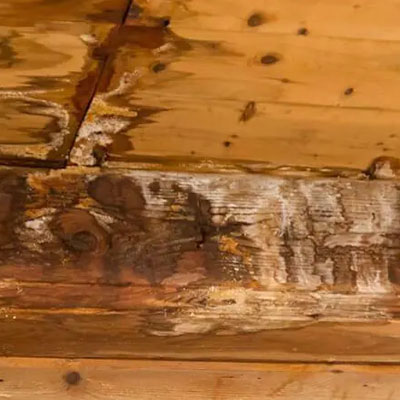
Water ingress due to defective roof

What starts as an installation defect can become much more costly once moisture, corrosion, drainage failure, or repeated repairs enter the picture. The longer the issue remains unidentified, the greater the chance that a compliance problem turns into a broader property risk.

Compliance and Insurance Considerations

Roof compliance can become especially important when a defect leads to water damage, deterioration, or an insurance claim. If the roof has not been installed in line with accepted requirements, questions may arise about whether the issue relates to storm damage alone or whether defective work has contributed to the loss. That distinction can affect how responsibility is viewed and what further action may be needed.

This is one reason non-compliant roofing should not be dismissed simply because the roof is still functioning. A defect that seems minor during day-to-day use can become much more significant once repairs, liability, or claim outcomes are involved. Identifying roof compliance issues early gives property owners a clearer picture of the condition of the roof and whether corrective work may be needed before the consequences become more serious.

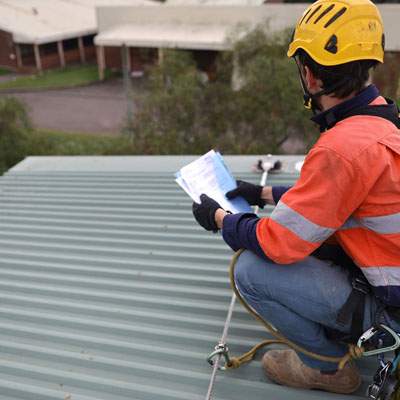
Roof inspection reports help address roof defects before compliance issues arise

Identifying Non-Compliant Roofing Early

Roofing defects are much easier to deal with when they are identified before they lead to larger repair costs, internal damage, or insurance complications. Having the roof assessed early can give property owners clearer answers about condition, compliance concerns, and whether corrective work may be needed.

At Roof Inspection Reports, we provide clear, easy-to-follow roof condition reports across South-East Queensland. If you need independent advice on possible roof defects or concerns about whether a roof has been installed correctly, contact our team by calling 0418 677 524 or clicking here to arrange a roof inspection report.

FAQ: Common Roofing Issues

A roof may be non-compliant if its installation, detailing, drainage, or materials do not meet the applicable standards, building code requirements, or manufacturer specifications for that roofing system. This can include defects such as incorrect pitch, inadequate laps, poor flashing work, or drainage provisions that do not perform as required.

Yes. A roof does not need to be actively leaking to be non-compliant. Some defects relate to how the roof has been installed rather than whether failure has already become visible, which means the risk can exist well before water entry or internal damage appears.

Not always. Some roofing defects are difficult to confirm from ground level or during general property inspections, especially where the issue involves laps, flashing details, fixings, or drainage design. A dedicated roof condition report can provide a clearer picture of roof-specific defects and compliance concerns.

It can. If damage occurs and the roof includes defective installation or non-compliant work, that may raise questions around contributing factors, repair scope, and liability. This is one reason it is worth identifying compliance issues before they become part of a larger claim.

No. Age alone does not make a roof non-compliant. Some older roofs continue to perform well, while others may contain defects due to poor installation, past repairs, alterations, or deterioration that affects how the roof now functions.

In many cases, yes. The required corrective work depends on the type and extent of the defect. Some issues can be addressed through targeted repairs or improved detailing, while others may require more substantial rectification if the defect affects broader roof performance.