Spotlight on Metal Roofing: Balancing Corrosion Control and Longevity

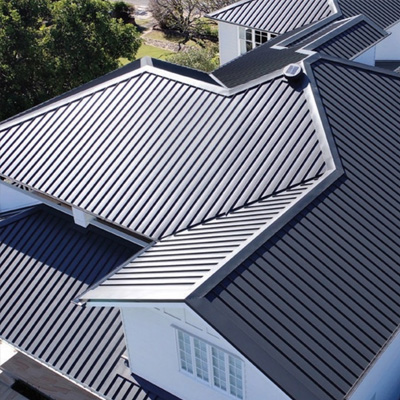
Metal roofing has become a go-to choice across Australia due to its sleek look, energy efficiency, and robust performance. Products like Zincalume and Colorbond exemplify modern-day roofing options, offering versatility and style in a variety of colors and profiles. Despite these advantages, corrosion control remains a key concern for property owners who aim to preserve their metal roof’s longevity. By following Australian Building Standards and scheduling regular roof inspections, you can significantly extend your metal roof’s lifespan.
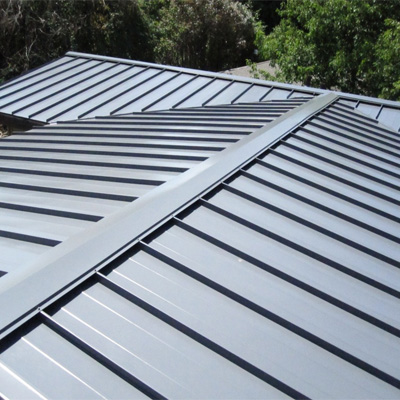
The Appeal of Metal Roofing

Metal roofs are celebrated for their:

  • Durability: Properly installed metal cladding can last decades, standing up well to harsh sun, strong winds, and heavy rains.
  • Energy Efficiency: Reflective coatings help reduce heat absorption, promoting cooler indoor temperatures and lowering cooling costs.
  • Aesthetic Range: A variety of finishes and profiles allows homeowners to match any architectural style, from contemporary to heritage.

When metal roofs are installed correctly and maintained consistently, they deliver exceptional performance that justifies the initial investment.

Spotlight on Metal Roofing: Balancing Corrosion Control and Longevity

Corrosion on Metal Roofs: Common Triggers to Watch

Corrosion typically results from a mix of environmental factors and material vulnerabilities:

  • Environmental Conditions: Salt-laden coastal air or industrial pollution accelerates rust development.
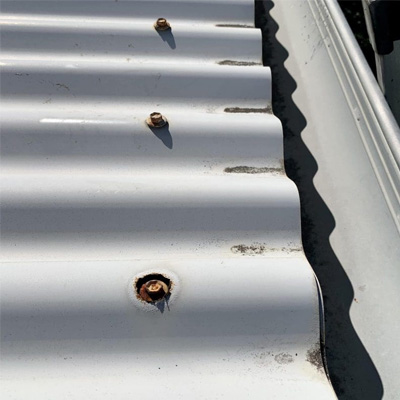
  • Scratches or Coating Damage: Even small nicks expose metal to moisture, leading to pitting and oxidation.
  • Galvanic Reactions: Using incompatible metals (e.g., stainless fasteners on aluminum sheets) can speed up corrosion where they touch.

Unchecked corrosion undermines structural integrity, creates leaks, and can void certain warranties if left unresolved. That’s why preventative maintenance measures, including addressing minor damage promptly, are crucial.

Spotlight on Metal Roofing: Balancing Corrosion Control and Longevity

Relevant Australian Building Standards

Adhering to the right guidelines from the outset minimizes corrosion risks and ensures compliance with building requirements:

  • AS 1562.1 – Focuses on the design and installation of metal sheet roofing. It specifies fixing methods, overlaps, and flashing details to help manage water runoff and reduce corrosion.
  • NCC (National Construction Code) – Incorporates multiple Australian Standards and demands strict compliance for legal and safety reasons.

Contractors familiar with these standards are more likely to deliver quality work that extends your roof’s lifespan and meets warranty terms.

Spotlight on Metal Roofing: Balancing Corrosion Control and Longevity

Where Regular Roof Inspections Fit into the Big Picture

Regular roof inspections serve as your first line of defense against deterioration. By catching small signs of corrosion or loose fasteners before they become widespread issues, you:

  • Avoid Major Repairs: Prompt fixes prevent corrosion from spreading, saving both time and money.
  • Ensure Warranty Compliance: Many roofing product warranties demand documented inspections at set intervals.
  • Protect Occupants: Secure roofs mean fewer leaks, reduced mold risks, and a healthier environment overall.

A professional inspection typically examines flashing condition, sealant integrity, gutter systems, and surface coatings, areas that directly impact corrosion control and long-term performance

Spotlight on Metal Roofing: Balancing Corrosion Control and Longevity

Balancing Corrosion Control with Longevity

Achieving the right balance between corrosion resistance and a lengthy roof life involves:

  • Proper Material Choices: Coastal or industrial zones might require extra corrosion-resistant grades, like specialized Colorbond varieties or protective finishes.
  • Routine Cleaning: Clearing debris, leaves, and salt deposits from roof surfaces and gutters minimizes moisture retention.
  • Fastener and Seal Integrity: Using compatible metals and ensuring sealants remain intact helps avoid galvanic reactions and water intrusion.
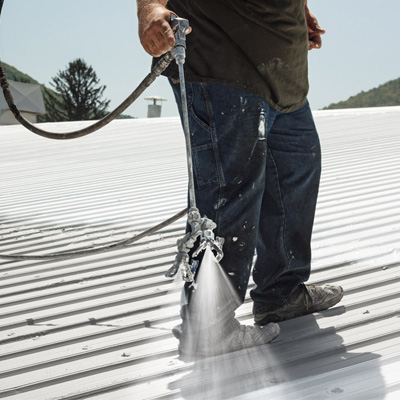
  • Periodic Recoating: Applying anti-corrosive paint or reapplying protective layers can significantly slow rust formation.

When combined with Australian Standards compliance and consistent roof inspections, these actions ensure your metal roof endures for decades.

Spotlight on Metal Roofing: Balancing Corrosion Control and Longevity

Keeping Corrosion at Bay for Lasting Metal Roofs

Metal roofing excels in durability, energy savings, and design flexibility, but corrosion control and regular roof inspections are paramount if you want to unlock its full potential. Embracing this proactive mindset guarantees that your metal roof remains a worthwhile, resilient asset, providing reliable shelter and peace of mind for years to come. Protecting your investment makes sense and employing the right people is paramount to ensuring longevity for your metal roofing.

At Roof Inspection Reports, we have decades of experience when it comes to metal roof inspections. Our team of specialist inspectors know what to look for and understand the unique challenges roofing materials face across our region. If you want peace of mind knowing your roof is in good condition, get in touch with Roof Inspection Reports by calling 0418 677 524 or contact us online.

Spotlight on Metal Roofing: Balancing Corrosion Control and Longevity