Roof Inspections in Commercial Leases: Sharing Responsibilities for Maintenance and Repairs

Commercial leases often delve into rent, utilities, and general upkeep, but one area that can spark real confusion (and cost) is the roof. Who arranges inspections? Who pays for repairs? By defining these responsibilities clearly, both landlords and tenants benefit from fewer disputes, smoother operations, and stronger legal protection.

Why Roof Inspections Matter for Commercial Properties

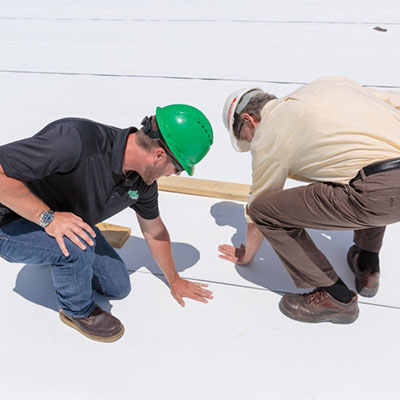
A roof inspection does more than spot leaks or loose materials. It’s part of preventative maintenance that keeps a building structurally sound and code-compliant. A missed problem, such as an unseen leak or failing flashing, can quickly escalate, forcing expensive emergency fixes and possibly interrupting business operations.

When a commercial lease includes clauses about regular, professional roof inspections, it helps everyone stay proactive and reduces the risk of surprise expenses.

Roof Inspections in Commercial Leases

Landlord vs. Tenant Obligations

Landlords typically handle the roof’s core structural integrity, ensuring it meets local regulations and remains safe. They might schedule annual or bi-annual inspections as part of broader property management. However, the extent of their responsibility can vary. In some leases, especially net leases, tenants may shoulder part of the maintenance burden or costs.

Tenants, on the other hand, are often expected to report any visible damage or leaks promptly—like noticing a water stain or hearing a dripping sound after rain. They may also be responsible for minor fixes if the lease says so. For example, if a tenant adds signage or HVAC units on the roof, the lease might require them to arrange inspections or repairs for those modifications. Clearly defining these obligations prevents finger-pointing when repairs become necessary.

Roof Inspections in Commercial Leases

Clauses to Clarify in the Lease

When drafting or reviewing a commercial lease, it’s essential to address roof inspections and maintenance obligations head-on. Vague or missing language about who handles inspections, how often they occur, and who pays for repairs often leads to confusion or disputes. By pinpointing these details upfront, both landlords and tenants can more confidently navigate any future roof-related issues.

Inspection Frequency

A simple statement such as “A professional roof inspection will be conducted annually (or after major storms)” helps all parties plan. It also secures evidence of regular upkeep for insurance purposes.

Cost Allocation

The lease should state who pays for each inspection. In some cases, the landlord foots the bill as part of ongoing property care; in others, the tenant might share or cover the cost, particularly in net lease structures.

Reporting and Repairs

After each inspection, a roof condition report typically notes urgent fixes and future concerns. The lease can define who coordinates these repairs—often the landlord for large structural tasks, and the tenant for smaller, occupant-related issues.

Roof Inspections in Commercial Leases

Emergency Provisions

Storms and unforeseen damage happen. Including an “emergency repairs” clause ensures swift action, clarifying who calls the roofing professionals and how costs are handled if immediate work is needed.

Stating clear, practical guidelines on inspections, cost allocation, and repair responsibilities reduces the chance of misunderstanding or blame if something goes wrong. In turn, it fosters a more proactive and trusting partnership, ensuring that everyone knows exactly where they stand when it comes to keeping the roof, and the business, secure.

Benefits of Being Specific

Spelling out roof responsibilities in a lease does more than keep the legalities tidy. It also creates financial stability, protects the building’s long-term value, and helps everyone work together more smoothly. From saving on emergency repairs to promoting a safer work environment, detailed roof clauses offer tangible rewards for both landlord and tenant.

  • Reduced Conflict: No one wants to argue over a leaky roof. Specifics in a commercial lease avoid guesswork about which party must act—or pay—when something goes wrong.
  • Longer Roof Lifespan: Regular inspections catch tiny problems that, if ignored, could lead to expensive overhauls. Everyone saves money and headaches by dealing with minor issues early.
  • Compliance and Insurance: Insurers and building codes often favor well-documented roof care. Demonstrating a plan for professional inspections can result in better coverage terms and fewer legal concerns.
  • Smooth Business Operations: From a landlord’s perspective, preserving the property’s value is paramount. Tenants want minimal disruptions, so they can continue serving customers. Clear, agreed-upon roof responsibilities support both.
Roof Inspections in Commercial Leases

Ultimately, being explicit about who handles roof inspections, when they happen, and how costs are handled translates into fewer headaches and a more harmonious relationship. By giving roof care the attention it deserves, both parties are better equipped to maintain a reliable and cost-effective property over the life of the lease.

Securing Success Through Clear Roof Responsibilities

Roof inspections might seem like a small detail in a commercial lease, but they play a big role in maintaining property value, ensuring safety, and promoting good landlord-tenant relationships. By specifying how and when inspections occur, who pays for them, and how repairs are handled, everyone can operate with confidence. Whether you’re drafting a new lease or reviewing an existing one, consider prioritizing clear language on roof care. Proactive measures today can prevent costly, time-consuming conflicts tomorrow.

Roof Inspection Reports offer consulting services for commercial lessors who would like to make sure their properties roofing is taken care of. Our invaluable insights and decades of experience can save you money both now and into the future, affording everyone involved peace of mind when it comes to the integrity and longevity of your roofing. Get in touch with Roof Inspection Reports by calling 0418 677 524 or contact us online.