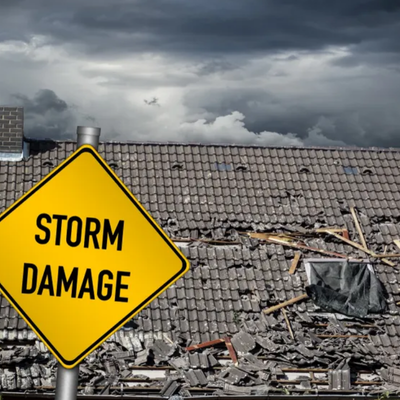
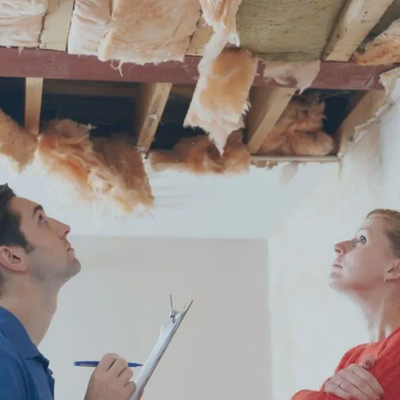
Roof Condition Reports for Insurance Claims: Building a Strong Evidence Base

Insurance claims can stall when there is not enough proof to separate sudden storm damage from long-term wear. Roof issues are often hard to see from the ground, and minor defects can be misread without clear documentation. That uncertainty leads to delays, extra quotes, and avoidable disputes between owners, builders, and assessors.

A roof condition report gives the claim a solid evidence trail. Dated photos, mapped locations, and concise notes on cause and extent show what happened, where it happened, and how it affected the structure. With that level of detail, assessors can review the claim with confidence and progress it without repeated requests for more information.


What Insurers Actually Look For

Insurers want a clear link between the event and the damage. They assess the date of loss, the stated cause such as storm, hail, or impact, and whether the condition shown could reasonably result from that trigger. They also check the roof’s pre-loss condition, since gradual wear, corrosion, or deferred maintenance are commonly excluded. Evidence that distinguishes new impact from old deterioration helps the assessor decide which items are covered.

Adjusters also look for consistency and traceability. Each defect should have a mapped location, a time-stamped image, and notes that explain how water entered or components were displaced. Measured quantities allow quotes to align with the evidence. Safe access notes, temporary make-safe actions, and any interior moisture mapping round out the picture so the claim can be scoped and priced without guesswork.

Roof Condition Reports for Insurance Claims: Building a Strong Evidence Base

Evidence a Strong Report Should Include

A strong roof condition report does more than name defects. It builds a traceable record that allows an assessor to verify cause, location, and extent without guesswork. Each element should link to a point on the roof and show how the event produced the damage that is being claimed.

  • Time-stamped overview and close-up photos tied to a simple roof plan. This confirms where each item sits and prevents mix-ups during quoting.
  • Construction and materials detail such as tile profile, sheet gauge, coating type, and fastener style. This context explains why the roof behaved as it did during a storm.
  • Defect log with causation notes that separate sudden impact or wind uplift from long-term deterioration. Clear wording helps align findings with policy triggers.
  • Moisture tracking and interior mapping where water ingress is present, linking exterior entry points to ceiling stains or wall damage.
  • Measured scope of works with quantities for replacement tiles, sheets, flashings, and fixings so contractor quotes mirror the evidence.
  • Make-safe records including dates, photos, and receipts for temporary protection that reduced further loss.
Roof Condition Reports for Insurance Claims: Building a Strong Evidence Base

When these components are presented together, the claim reads as a complete story rather than a set of isolated images. Adjusters can validate items quickly, contractors can price consistently, and owners avoid delays that occur when documents leave gaps or raise new questions.

How Baseline and Post-Storm Reports Strengthen a Claim

A baseline report completed before storm season records the roof’s condition when no recent damage is present. It documents materials, vulnerable areas, and any existing wear with dated photos and mapped locations. When a storm later passes through, this baseline lets an assessor compare like for like and confirm what has changed. That comparison reduces arguments about pre-existing defects and supports a clean sequencing of events.

After severe weather, a post-event assessment captures new impact points, lifted components, and fresh water ingress while evidence is still visible. Time-stamped images, debris patterns, and moisture readings help show how wind and rain acted on the roof. When a claim includes both the baseline and post-event records, the file presents a clear before-and-after narrative that speeds review and makes scoping more precise.

Roof Condition Reports for Insurance Claims: Building a Strong Evidence Base

Common Claim Pitfalls a Report Helps Avoid

Claims often slow down because small documentation gaps create big questions. A focused report closes those gaps before they trigger rework.

  • Wear-and-tear assumptions: Damage is written off as age when impact patterns or wind uplift are not clearly described.
  • Missing dates and locations: Photos without time stamps or map references force assessors to request repeats.
  • No link between exterior and interior: Ceiling stains are shown without matching photos of the entry point on the roof.
  • Unmeasured scopes: Quotes list “allowances” instead of counted tiles, sheets, flashings, and fixings, making comparisons difficult.
  • Hidden leak pathways overlooked: Valleys, flashings, and laps are not photographed closely enough to prove how water tracked inside.
  • Conflicting contractor opinions: Multiple quotes disagree because none reference a single, independent defect log.
Roof Condition Reports for Insurance Claims: Building a Strong Evidence Base

Addressing these points in the report keeps the file moving and reduces back-and-forth with the assessor.

Preparing for Lodgement: What Owners Should Do

Owners can speed up reviews by gathering simple, verifiable evidence early. These steps help an assessor confirm cause, timing, and extent without extra requests.

  • Photograph the exterior and interior as soon as it is safe. Capture wide shots and close-ups, plus ceilings and walls with staining.
  • Record dates and times for the event and for when damage was first noticed. Note suburbs and any known storm warnings.
  • Keep make-safe receipts for tarpaulins or temporary repairs, and photograph the protection in place.
  • Avoid cleaning away trace evidence such as debris paths, hail, or displaced components until they are documented.
  • Collect two quotes that match a measured scope, with quantities aligned to the defects listed in the report.
  • Store files together in one folder: photos, the report, quotes, invoices, and correspondence. Consistent naming helps everyone work from the same record.
Roof Condition Reports for Insurance Claims: Building a Strong Evidence Base

A claim backed by organised evidence is easier to validate and faster to approve. These steps give the insurer everything needed to review the file in one pass and keep repairs moving without delays.

How Reports Support Different Claim Types

Different events leave different signatures on a roof, and a focused report explains those patterns so assessors can match damage to the event. Hail creates evenly distributed dents on metal sheets and gutters that are visible under raking light. Wind uplift displaces flashings or tiles on the windward side and leaves debris trails that point to the entry path. Impact from branches shows localised fractures, chipped tile edges, or bent sheeting with scuffing that aligns with the strike.

Water ingress presents differently depending on the cause. Wind-driven rain tracks beneath laps or lifted cappings and appears as fresh staining near joints, while long-term deterioration shows as diffuse marks with older edges. Interior moisture readings tied to exterior photos help confirm the route from entry to ceiling damage. When the report describes these patterns clearly, the insurer can link findings to policy triggers without guesswork.

Roof Condition Reports for Insurance Claims: Building a Strong Evidence Base

Move Your Insurance Claim Forward with Clear, Mapped Evidence

Claims progress when the evidence is airtight. A structured roof condition report ties every defect to a location, a timestamp, and a clear cause, so assessors can verify damage without guesswork. That clarity reduces back-and-forth, aligns quotes to measured quantities, and helps you move from assessment to approved repairs with fewer delays.

If recent weather has affected your property in Brisbane, the Sunshine Coast, Moreton Bay, or the Gold Coast, we can help. Call 0418 677 524 or click here to contact us online to book a professional assessment. With mapped photos and concise causation notes, your claim has the evidence it needs to keep moving.

FAQ: Roof Condition Reports for Insurance Claims

It is not always mandatory, but it often speeds assessment. A report provides dated photos, mapped locations, and causation notes that help the assessor verify what happened and when.

Clear images tied to a roof plan, defect descriptions with cause, moisture readings if leaks are present, and an itemised scope with quantities. This allows quotes to align with evidence.

Yes. Patterns such as fresh impact marks, lifted flashings, debris paths, and new staining can indicate a recent event. Widespread corrosion or long-term cracking usually signals deterioration.

A baseline report recorded before storm season is strong proof of pre-loss condition. If a storm hits, a post-event report can show exactly what changed.

Ask the assessor which items are excluded and why. A detailed report can highlight the event-related defects and separate them from maintenance items so claimable work is not delayed.

Two is typical. Ensure both quotes follow the report’s measured scope and quantities so the assessor can compare like for like.

Photograph exterior and interior damage as soon as safe, note the time and weather, keep make-safe receipts, and avoid cleaning away evidence until it is recorded.

Yes. Moisture mapping and interior photos tied to exterior entry points show the pathway of water, which is crucial for validating ingress claims.

As soon as safe access is possible. Fresh debris patterns, lifted components, and new staining are easier to document soon after the event.