Material Shrinkage in Roofing: Causes, Risks & Prevention

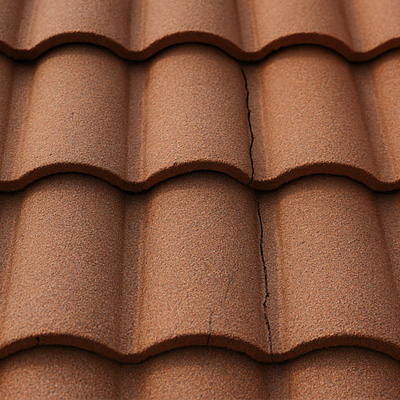
Material shrinkage is a common yet often overlooked issue affecting many roofs, particularly those featuring metal roofing. It refers to the reduction in size of roofing materials due to environmental factors, age, or installation errors, potentially causing significant structural problems. Recognizing and addressing material shrinkage early through professional roof inspections is essential to maintain your home’s integrity and avoid costly repairs.
What Causes Material Shrinkage in Roofing?

Several factors contribute to roofing material shrinkage, including:

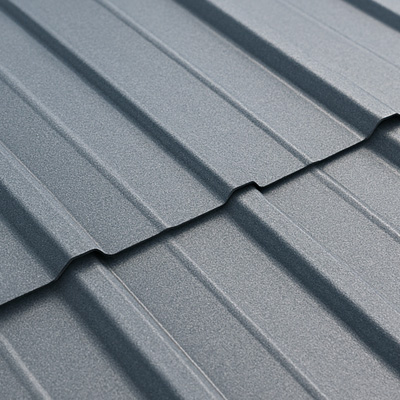
  • Temperature Fluctuations: Repeated cycles of expansion in heat and contraction in cold can cause roofing materials, especially metal roofing, to shrink and deteriorate over time.
  • Poor Installation Practices: Incorrect fastening or inadequate allowance for natural material movement can accelerate shrinkage.
  • Material Aging: Older roofing materials lose flexibility and are more susceptible to shrinking as they age.

These factors individually or combined can significantly affect your roofing structure, necessitating timely interventions.

Material Shrinkage in Roofing

Risks Associated with Roofing Material Shrinkage

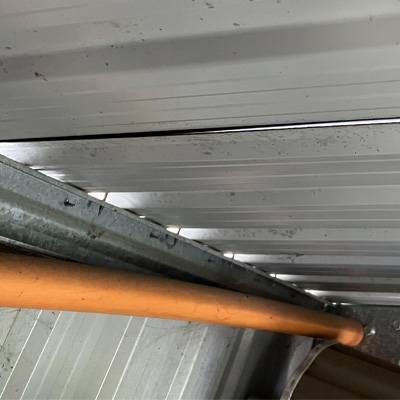
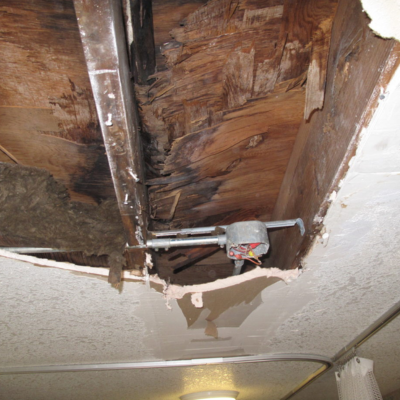
Ignoring material shrinkage can lead to severe complications for homeowners. Structural integrity can be severely compromised as shrinkage creates gaps and exposes underlying roofing components. Over time, these gaps allow water infiltration, which leads to leaks and internal damage, significantly weakening the overall strength and stability of the roof structure.

Additionally, material shrinkage increases vulnerability to weather damage. A shrunken roof is less effective at protecting your home, making it more susceptible to wind uplift and raising the risk of roof damage during storms. Compromised roofing surfaces provide less resistance to harsh weather conditions, putting the home at greater risk.

Material Shrinkage in Roofing

Moreover, neglecting early signs of material shrinkage may result in higher long-term costs. Early corrosion and damage might necessitate frequent and costly repairs, and there could be a potential need for premature roof replacement. Proactively addressing these issues helps mitigate escalating repair expenses and preserves your budget.

Identifying Material Shrinkage Through Roof Inspections

Professional roof inspections are crucial for early detection of material shrinkage. Trained inspectors evaluate:

  • Visible gaps or cracks: Inspectors check for obvious signs of separation or gaps between roofing materials.
  • Loose or Missing Fasteners: Missing or loosened nails and screws are indicators of material shrinkage.
  • Condition of Roof Edges and Seams: Areas around flashing, vents, and edges often exhibit the first signs of shrinkage.

After inspection, homeowners receive a comprehensive roof condition report detailing findings and recommended actions.

Material Shrinkage in Roofing

Effective Measures to Prevent Material Shrinkage

Prevention is the most efficient strategy to manage roofing material shrinkage. Consider these practical measures:

  • Use Quality Roofing Materials: Select materials known for durability and minimal shrinkage.
  • Ensure Proper Installation: Work with experienced professionals who install materials correctly, allowing for natural movement.
  • Regular Maintenance Checks: Scheduling periodic roof inspections helps catch shrinkage signs early.

These proactive steps can dramatically reduce the likelihood and impact of roofing material shrinkage.

Material Shrinkage in Roofing

Act Now to Protect Your Roof

Don’t wait until material shrinkage causes severe damage to your home. Protect your investment by scheduling a professional roof inspection today. Roof Inspection Reports can provide you with a detailed roof condition report and actionable recommendations to keep your roof secure and functional for years to come. You can get in touch with us by calling 0418 677 524 or you can click here to contact us online.

FAQ About Material Shrinkage in Roofing

Look for visible gaps, loose or missing roofing fasteners, or unusual warping. Professional roof inspections are the most reliable method to confirm shrinkage.

Yes, metal roofing can experience shrinkage, especially due to extreme temperature changes, but it can be effectively managed with proper installation and regular inspections.

A roof inspection at least annually is recommended, with additional checks after significant weather events or temperature extremes.

Material shrinkage itself isn’t reversible. However, affected areas can often be repaired or replaced effectively if detected early through professional inspections.

Insurance coverage for shrinkage-related damage varies by policy. It’s best to review your insurance terms or consult your provider for specifics.