Is Your Roof Storm-Ready? Overlooked Risks That Lead to Claims Being Denied

Queensland storm season tests every part of a roof, from fixings and flashings to drainage and surface coatings. Being roof storm-ready is not only about limiting damage during high winds and heavy rain, it also plays a critical role in how insurance claims are assessed after an event. Many homeowners assume claim outcomes depend only on the severity of the storm, yet overlooked roof issues that existed beforehand often shape the final decision.

Storm-related claim disputes frequently arise when damage appears to involve pre-existing wear, corrosion, or maintenance gaps rather than sudden storm impact alone. Small defects that seem harmless during calm weather can become central to claim assessments once storms expose them. This is why storm readiness is as much about preparation and documentation as it is about physical roof condition.

Why Storm Readiness Affects Insurance Claims

When insurers assess storm damage, they look closely at whether the damage was caused directly by the storm or whether it relates to issues that were already present. This distinction is central to how storm damage insurance claims are decided. If corrosion, loose fixings, or deteriorated sealants existed before the weather event, those conditions are often treated as contributing factors rather than outcomes of the storm itself.

This is where roof storm preparedness becomes critical. A roof that shows signs of ongoing wear is more likely to face claim scrutiny, even if the storm was severe. Insurers rely on evidence to separate sudden impact from gradual deterioration, and that process often centres on roof condition before the storm arrived. Without a clear baseline, disputes about claim responsibility become far more likely, especially when multiple issues appear after high wind and heavy rain.

Is Your Roof Storm-Ready? Overlooked Risks That Lead to Claims Being Denied

Common Pre-Storm Roof Risks That Insurers Scrutinise

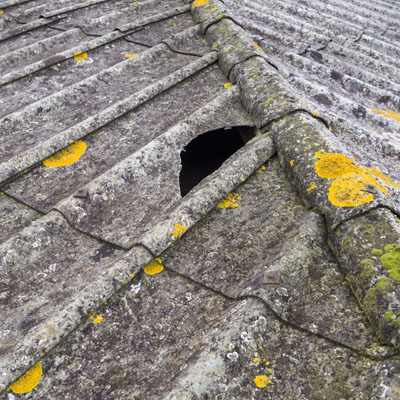
Many roofs appear solid from the ground but contain small defects that become highly relevant during claim assessments. These pre-existing issues are often highlighted after storms because they influence whether damage is considered sudden impact or gradual deterioration. Insurers regularly look for the following conditions when storm damage roof inspections take place.

  • Existing corrosion in valleys, gutters, and around flashings that weakens critical drainage zones.
  • Loose or missing fixings that allow sheets or tiles to move under wind load.
  • Early lap separation or staining that suggests backtracking water before storm impact.
  • Sagging gutters that interfere with roof drainage during heavy rainfall.
  • Deteriorated sealants around penetrations such as vents and skylights.
  • Aged roof coatings where protective layers have already worn through to bare metal.
Is Your Roof Storm-Ready? Overlooked Risks That Lead to Claims Being Denied

These risks do not always cause immediate leaks, but they influence how insurers interpret storm-related damage. When these issues are present before a weather event, they are frequently cited as contributing factors during insurance claim assessments.

How Storms Expose Pre-Existing Roof Weaknesses

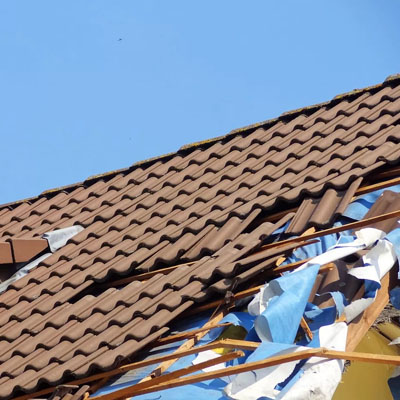
Severe weather does not always create new roof failures from scratch. In many cases, high winds and intense rain simply accelerate weaknesses that were already present. A fixing that was slightly loose, a lap that had begun to separate, or a patch of corrosion that had thinned the metal can all fail suddenly under storm load. From the outside, this can look like fresh storm damage even though the underlying condition existed beforehand.

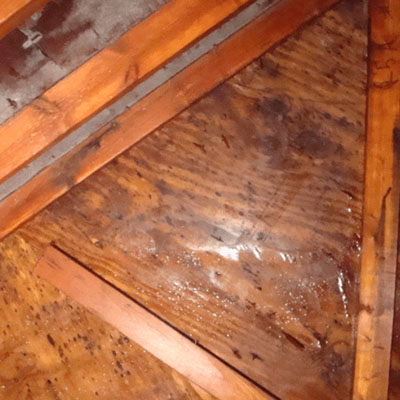
Wind-driven rain is particularly effective at finding these vulnerable points. Water is forced into joints and laps at angles that normal rainfall never reaches, which makes early defects suddenly visible inside the home. Once internal staining or water entry appears, the damage often seems new and storm-related. This is why storms frequently act as the trigger that exposes hidden roof issues rather than the original cause of the weakness itself.

Is Your Roof Storm-Ready? Overlooked Risks That Lead to Claims Being Denied

Maintenance Issues That Increase Claim Risk Before Storm Season

Roof maintenance plays a major role in how storm damage is assessed after severe weather. Many claim disputes begin with issues that could have been addressed during routine upkeep but were left unattended before storm season arrived. These concerns often appear in claim investigations as avoidable rather than storm-driven.

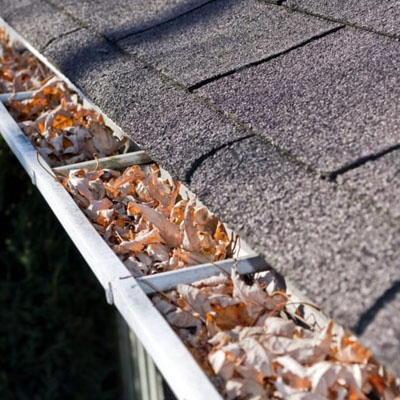
  • Gutters left full of leaves and debris before heavy rainfall events.
  • Downpipes partially blocked and unable to manage sudden water flow.
  • Loose sheets, tiles, or ridge components not secured before high winds.
  • Rusted fasteners that were not replaced ahead of storm conditions.
  • Overhanging vegetation resting on roof surfaces and drainage zones.
  • Previous repair work that has begun to break down or lift.
Is Your Roof Storm-Ready? Overlooked Risks That Lead to Claims Being Denied

When these maintenance issues are present before a storm, they often complicate claim outcomes. Even when storm activity is severe, unresolved upkeep problems can influence whether damage is treated as preventable rather than purely storm-related.

Why Claim Denials Often Follow the Same Patterns

Insurance claim denials linked to roof damage tend to follow consistent themes because the same underlying issues appear again and again. Claims are more likely to be challenged when there is evidence of prior corrosion, incomplete repairs, or maintenance gaps that existed before the storm event. Once these patterns are identified, insurers often frame the damage as part of an ongoing condition rather than a sudden occurrence.

Documentation also plays a major role in these outcomes. When there is no clear record of roof condition before storm season, it becomes difficult to prove that damage was caused solely by the weather. In many cases, the absence of inspection records, maintenance history, or condition reporting allows uncertainty to work against the homeowner. This is why claim denials often follow predictable pathways even when storms are severe.

Is Your Roof Storm-Ready? Overlooked Risks That Lead to Claims Being Denied

Renovation and Age-Related Factors That Affect Storm Claims

Roofs that have been modified over time or that combine older and newer components often receive closer scrutiny during storm damage assessments. Changes to structure, materials, and load paths can alter how the roof behaves under wind and heavy rain. When failures occur in these mixed-age systems, insurers frequently examine whether the weakness existed before the storm.

  • Re-roofed sections tied into older roof areas with different fixing systems.
  • Aged gutters, downpipes, and drainage components near the end of their service life.
  • Older surface coatings that have thinned or failed prior to storm exposure.
  • Past storm patches that have deteriorated and no longer provide full protection.
  • Extensions that alter original roof pitch, drainage direction, or load distribution.
  • Solar installations that change sheet fastening zones and wind load behaviour.
Is Your Roof Storm-Ready? Overlooked Risks That Lead to Claims Being Denied

These factors do not prevent a roof from being storm-ready, but they do influence how damage is assessed after severe weather. Mixed-age roofing systems often require clearer documentation and closer inspection to separate storm impact from existing conditions.

How a Storm Damage Roof Inspection Supports Claims

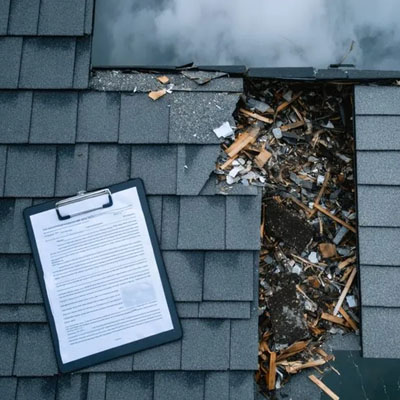
A storm damage roof inspection provides a clear record of roof condition that helps separate storm impact from pre-existing issues. When this inspection is completed before storm season, it establishes a baseline that shows what condition the roof was in prior to any severe weather. This documentation becomes particularly valuable if a claim is later assessed, as it allows insurers to compare storm-related damage against the recorded condition.

After a storm, an inspection also supports accurate damage assessment by identifying which defects align with wind and rainfall patterns and which relate to age or maintenance. A roof condition report before storms can reduce disputes by showing that risk areas were known, monitored, or addressed ahead of time. This places homeowners in a far stronger position during storm damage insurance claims and reduces the likelihood of claim delays or denials.

How Poor Roof Vent Placement Leads to Condensation Damage

How to Make Your Roof Storm-Ready Before the Next System Arrives

Making a roof storm-ready starts with addressing small defects before they are tested by high winds and heavy rain. Securing loose fixings, clearing gutters and downpipes, checking sealants around penetrations, and confirming that drainage paths are free of obstruction all reduce the chance of avoidable damage during storm events. When these elements are managed ahead of time, the roof is better able to shed water and resist wind pressure without exposing weak points.

If you want clarity on whether your roof is storm-ready before the next weather system arrives, a pre-storm assessment provides practical direction. At Roof Inspection Reports, we document existing roof conditions, highlight risk areas, and provide clear guidance on what needs attention before storm season peaks. Contact Roof Inspection Reports by calling 0418 677 524 or clicking here to arrange a roof condition report before storms and place yourself in a stronger position for both roof protection and future insurance claims.

FAQ: Storm-Ready Roofs and Insurance Claim Risks

Yes. Insurers assess whether damage was caused by sudden storm impact or by pre-existing defects. A roof that shows prior deterioration or maintenance gaps can face higher scrutiny during claim reviews.

Corrosion, loose fixings, failing sealants, blocked drainage, and deteriorated coatings are common issues raised during storm damage claim assessments.

A pre-storm roof inspection provides a clear record of roof condition before severe weather. This helps establish whether future damage is storm-related or linked to existing issues.

Yes. If rust or corrosion was present before the storm, insurers may view related damage as gradual deterioration rather than sudden storm impact.

Yes. Blocked or sagging gutters can contribute to water overflow and internal damage, which may be treated as a maintenance issue rather than storm damage.

Recent inspection reports, maintenance records, and photos of roof condition taken before storm season all help demonstrate that damage resulted from the storm and not pre-existing defects.