How the Wrong Roofing Screws Can Compromise Compliance & Durability

Roof fasteners might seem like a minor detail, but they play a crucial role in maintaining structural integrity, waterproofing, and wind resistance. When the wrong screws are used, it can lead to roof leaks, corrosion, and even structural failure, significantly reducing the lifespan of the roof.

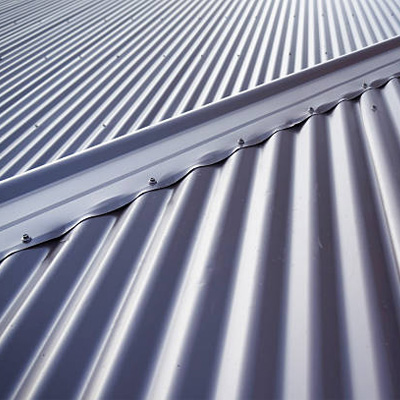
In Australia, roofing fasteners must meet strict compliance standards, including AS 1562.1 for metal roofing. Using incorrect screws can not only void warranties but also result in costly repairs and safety risks. Professional roof inspections help identify these issues before they become serious problems, ensuring that every component of the roof, including the fasteners, meets Australian Standards and is fit for long-term durability.
How Roofing Screws Work: More Than Just Holding Sheets in Place

Roofing fasteners do much more than secure panels in place, they contribute to the roof’s overall performance, strength, and resistance to the elements. The wrong screws can compromise these functions, making proper selection and installation critical.

What Roofing Screws Are Designed to Do

  • Secure roofing materials firmly to prevent movement, even in high winds or storms.
  • Maintain waterproofing by sealing penetration points against moisture.
  • Resist environmental wear, including corrosion, UV exposure, and temperature fluctuations.

Types of Roofing Screws

Different roof types require specific fasteners:

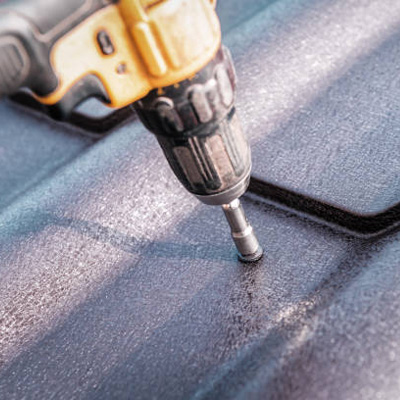
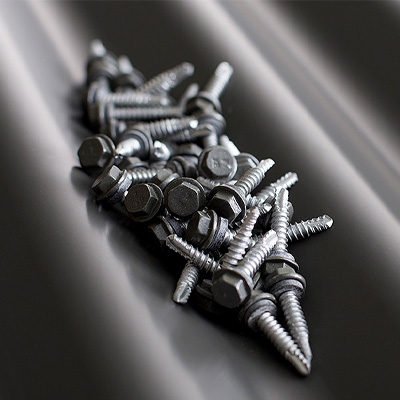
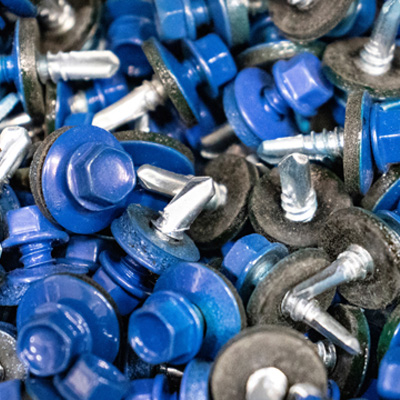
  • Self-drilling screws – Commonly used for metal roofing, designed to drill through metal and attach securely without pre-drilling.
  • Self-tapping screws – Used in light metal applications, requiring a pre-drilled hole before fastening.
  • Tile roofing fasteners – Require corrosion-resistant materials to withstand exposure to moisture without rusting.

Each type is designed for specific roofing applications, ensuring long-term performance and compliance with manufacturer and Australian Building Standards.

Wrong Roofing Screws

Common Problems Caused by Using the Wrong Roofing Screws

Even a minor mistake in fastener selection can lead to serious roofing failures over time. Below are some of the most common issues seen in roof inspections when incorrect fasteners are used.

Water Ingress & Leaks

Screws that lack proper sealing washers or are incorrectly placed can allow moisture to seep through, leading to rust, mold, and rot. Over time, even a small leak can cause significant internal damage to insulation and ceilings.

Fastener Corrosion

Non-compliant or mismatched screws can rust prematurely, weakening their grip and damaging both the roofing material and underlying structure. This is especially problematic in coastal areas, where exposure to salt can accelerate corrosion.

Panel Lifting & Wind Resistance Issues

If screws are too small or improperly spaced, they may not hold roofing sheets firmly in place. This increases the risk of panel movement during storms, leading to roofing failures or costly repairs.

Wrong Roofing Screws

Structural Weakness & Safety Concerns

Roofing screws must be strong enough to withstand environmental loads, including wind uplift and heavy rain. Using low-grade or non-compliant fasteners may compromise the roof’s structural integrity, posing serious safety risks over time.

Compliance & Industry Standards for Roofing Fasteners

To prevent these issues, roofing fasteners must meet Australian Standards and manufacturer specifications.

AS 1562.1 – Design & Installation of Metal Roofing

This standard governs the correct fixing methods, waterproofing, and durability of metal sheet roofing. It outlines:

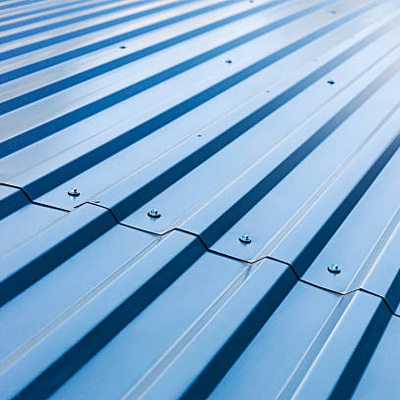
  • Correct screw sizes and types for different materials.
  • Spacing and positioning requirements to maintain roof integrity.
  • Weatherproofing measures to prevent leaks.

Manufacturer Specifications & Warranty Requirements

Most roofing manufacturers specify the exact fasteners required to maintain warranty coverage. Using non-approved screws can void the warranty and lead to denied insurance claims if damage occurs.

How Roof Inspections Help Maintain Compliance

Professional roof inspections assess:

  • Whether correct fasteners have been used.
  • If screws are properly sealed, aligned, and secured.
  • Whether fasteners comply with AS 1562.1 and manufacturer recommendations.

Non-compliant fasteners should be replaced promptly to avoid long-term structural issues and warranty disputes.

Wrong Roofing Screws

How to Avoid Fastener-Related Roof Issues

Preventing roofing fastener failures involves proper selection, installation, and regular maintenance.

Using the Correct Screw Type for the Roofing Material

  • Metal roofing requires self-drilling screws with rubber washers for waterproofing.
  • Tile roofing needs non-corrosive fasteners to withstand exposure to moisture.
  • Coastal or industrial zones require marine-grade fasteners that resist salt corrosion.

Ensuring Proper Installation Techniques

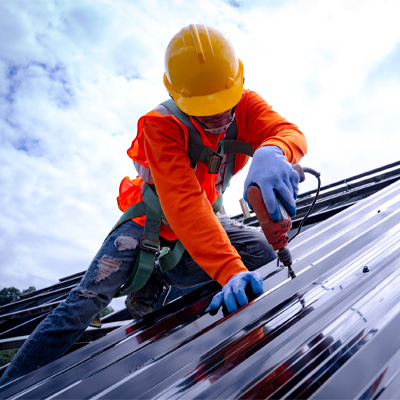
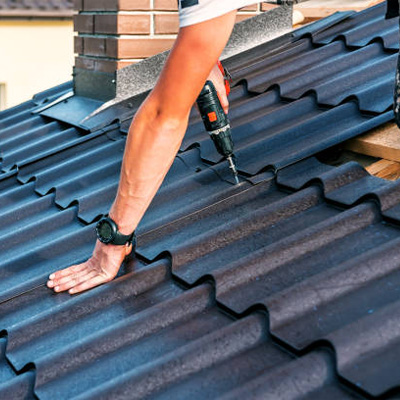
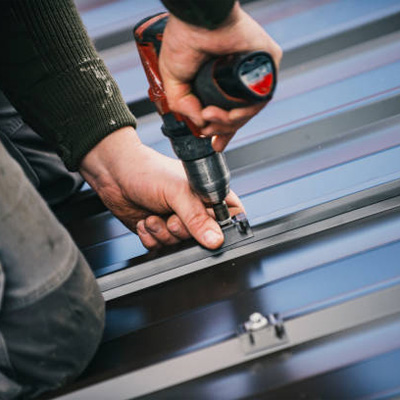
Fasteners should be installed at the correct depth, angle, and spacing to maintain a firm, watertight seal. Overtightening can damage waterproof washers, while under-tightening may lead to movement and leaks.

Regular Roof Inspections to Catch Fastener Issues Early

  • A professional roof inspection can detect loose, rusted, or non-compliant screws before they cause damage.
  • Routine checks help ensure long-term compliance with Australian Standards.

Proactively addressing these concerns prevents costly damage and extends the roof’s lifespan.

Wrong Roofing Screws

Small Details, Big Consequences

The wrong roofing screws can lead to serious structural and compliance issues, including leaks, corrosion, and wind damage. Adhering to Australian Standards (AS 1562.1) and following manufacturer guidelines is essential to protect your roof, maintain warranties, and ensure long-term durability. Regular roof inspections help identify fastener-related issues before they escalate, ensuring that your roof remains secure, compliant, and built to last.

If you’re concerned about your roof’s condition or compliance, contact Roof Inspection Reports today for a detailed roof condition report. Our team ensures every aspect of your roof, including fasteners, is properly assessed, helping you avoid unnecessary repairs and costly replacements. Get in touch with Roof Inspection Reports by calling 0418 677 524 or contact us online by clicking here.