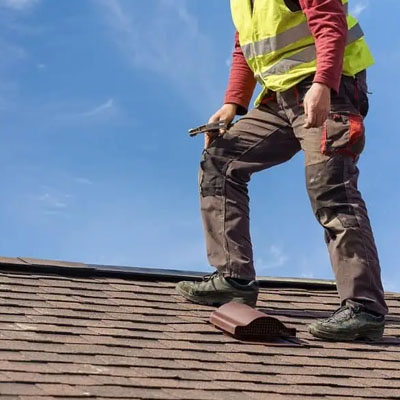
How Roof Pitch Affects Roofing Material Lifespan

Roof pitch does far more than set the look of a home. The angle of the roof controls how quickly water drains, how long surfaces stay wet, and how effectively debris moves away from critical joints. When the pitch does not suit the roofing material, problems such as slow runoff, trapped moisture, and uneven weathering begin to appear well before the expected end of life. Many roofs that seem to have “failed early” are actually responding to pitch and drainage conditions rather than a fault with the product itself.

In Queensland, heavy rain, strong sun, and humid conditions put extra pressure on both low and steep roofs. Shallow slopes tend to hold water for longer and push drainage systems closer to their limits, while steeper slopes experience higher wind loading and faster coating wear in exposed areas. The relationship between roof pitch and roofing material lifespan is therefore a practical issue for homeowners, buyers, and investors. When pitch is considered alongside material choice and detailing, roofs are more likely to perform reliably across their full service life.
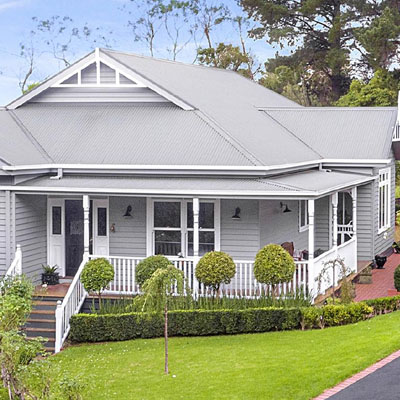
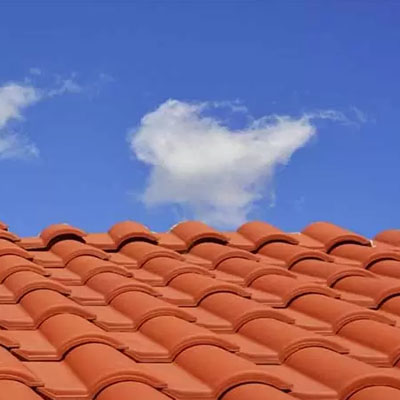
Why Pitch Influences Roof Lifespan

Roof pitch changes how water, debris, wind, and sunlight interact with the surface over time. On an appropriate slope, rainwater moves away quickly and dries between storms, which protects coatings, fasteners, and underlays from staying wet for long periods. Debris is less likely to settle, so organic material and fine sediment are not given the chance to hold moisture against metal or tile surfaces. These conditions support a longer service life because each component experiences shorter exposure cycles and reduced physical strain.

When a roof is too flat for its material, water movement slows and the drying pattern shifts in a way that encourages early wear. Moisture sits in pans, laps, or tile tread marks for longer, causing coatings to break down sooner and metal surfaces to lose protection faster. Even a small change in angle can alter how wind pushes rain across joints or how long shaded sections remain damp. These long-term exposure patterns accumulate year after year and eventually shorten the roofing material lifespan.

How Roof Pitch Affects Roofing Material Lifespan

Minimum Pitch Requirements for Different Materials

Every roofing material is designed to work within a certain pitch range so that water drains away before it can cause damage. When a roof is built flatter than the manufacturer allows, laps and joints receive more water for longer periods and are more likely to experience early wear. Even if a roof looks neat from the ground, a pitch that falls outside these limits can quietly shorten the life of tiles, metal sheets, and sealants.

How Roof Pitch Affects Roofing Material Lifespan

Concrete and terracotta tiles

Tile systems depend on overlap, gravity, and underlay to control water paths. If tiles are laid on a roof pitch that is too low, wind-driven rain and backflow can reach the underlay more often, keeping battens and fixings damp. Over time, this pattern contributes to softening of battens, surface moss growth, and earlier replacement of tile sections.

How Roof Pitch Affects Roofing Material Lifespan

Standard metal sheet roofing

Traditional metal sheets are profiled so that water runs off through pans and ribs at a certain minimum angle. When installed on pitches that are too shallow, water lingers in pans, moves more slowly across laps, and is more likely to track sideways under caps or flashings. This type of low pitch roof problem increases the risk of hidden corrosion at laps and reduces the service life of protective coatings.

How Roof Pitch Affects Roofing Material Lifespan

Long-run and concealed-fix profiles

Longer sheet runs and concealed-fix systems are often chosen to minimise visible fasteners and joints. These products usually have their own pitch limits so that water does not sit around clips, brackets, and lap joints. If these limits are ignored, trapped moisture around fixings and supports can cause localised rust and shorten the life of otherwise durable roofing materials

How Roof Pitch Affects Roofing Material Lifespan

Low-pitch and membrane systems

Some systems are engineered specifically for very low slopes, using membranes, torch-on products, or specialised trays with welded or sealed joints. Even with these designs, the installation relies on a minimum fall so that water does not pond for days at a time. Poor detailing, incorrect falls, or uneven framing will still create water pooling that accelerates wear around outlets, seams, and penetrations.

How Roof Pitch Affects Roofing Material Lifespan

Architectural and specialty roofs

Architectural profiles, curved roofs, and mixed-material designs often rely on strict pitch control at transitions and junctions. If the visual concept leads to areas that flatten out near box gutters, skylights, or feature walls, drainage performance can drop sharply. These areas frequently become the first places where coatings dull, sealants break down, and roofing materials age ahead of the rest of the roof.

How Roof Pitch Affects Roofing Material Lifespan

Minimum Pitch Limits

Minimum pitch limits are not only a compliance issue; they are a practical way to protect roofing materials from constant moisture and stress. When designers, builders, and homeowners respect these limits and match roof pitch to the chosen product, drainage paths stay closer to their intended behaviour. That alignment supports longer roofing material lifespan and reduces the likelihood of premature replacement.

Problems Caused by Roofs That Are Too Flat

Roofs that sit flatter than the material allows often remain damp for long periods after rain, especially in shaded or low-lying areas of the surface. This extended moisture contact weakens coatings, softens sealants, and encourages corrosion at laps where water takes longer to evaporate. Over time, these damp zones cause uneven ageing because some sections of the roof remain wet well after the rest has dried. This pattern of slow drying is one of the main reasons low-pitch roofs experience a shorter service life.

A roof that is too flat also collects more debris, which slows drainage even further and creates pockets where moisture becomes trapped. Small amounts of fine sediment, leaf fragments, or dust can hold water against metals or tiles and speed up surface deterioration. These conditions are often hidden until a roof condition report highlights ripple rust, early coating fade, or soft pointing emerging in the affected areas. When pitch is too shallow, the combined effects of water pooling, debris retention, and slow drying gradually reduce the lifespan of the roofing materials.

How Roof Pitch Affects Roofing Material Lifespan

How Steep Roofs Wear Differently

Steeper roofs clear water quickly and rarely stay wet for long, but the sharper angle creates its own long-term wear patterns. The way sunlight, wind, and debris interact with these surfaces changes how materials age, even when the roof is in good condition. These effects tend to develop slowly, which is why the lifespan differences between steep and moderate slopes are often only visible during inspections.

  • Steep slopes face higher wind pressure during storms, which places extra stress on fasteners near ridges and edges. This tension can lead to early loosening of fixings if they are not maintained.
  • Faster water flow concentrates runoff along laps and joints, which can gradually wear coatings and seals in the main flow paths.
  • Roof faces with a steep angle often receive more direct sunlight for longer periods, causing coatings to fade, chalk, or lose protective strength sooner.
  • Debris moving down a steep surface can create fine abrasion marks as sticks, leaves, and grit slide across the coating during heavy rain.
  • The quick shedding of organic material reduces moisture retention but can also shift debris into gutters faster, which increases the need for gutter maintenance to protect the roof’s drainage performance.
How Roof Pitch Affects Roofing Material Lifespan

Steep roofs avoid many of the issues seen on low slopes, but the combination of wind exposure, fast runoff, and strong sunlight still shapes how the materials age over time. Recognising these wear patterns helps homeowners plan maintenance that protects roofing material lifespan across all seasons.

Signs Your Roof Pitch Is Shortening Material Lifespan

Certain surface clues suggest that roof pitch is placing extra stress on materials rather than the issue being limited to age alone. Ripple rust in sheet pans, edge corrosion near laps, and early coating wear along specific flow paths often point to drainage patterns linked to pitch. On tile roofs, cracked corners, stepped staining, or damp underlay exposure at lower courses can indicate that water is moving more slowly than it should or that wind-driven rain is reaching parts of the system more often than expected.

Other signs of roof pitch issues include loose or lifted fasteners on exposed faces, sealant fatigue around ridges and penetrations, and deteriorating flashings where flatter sections meet steeper runs or walls. These locations are sensitive to changes in flow direction and can show roofing deterioration earlier than the rest of the surface. When we complete a roof condition report, we map these wear patterns against the roof layout and pitch so that owners can see where angles are shortening material lifespan and where targeted maintenance or design changes will have the greatest benefit.

How Roof Pitch Affects Roofing Material Lifespan

Design and Renovation Mistakes That Affect Pitch

Roof pitch problems often appear after extensions, renovations, or re-roofing work that changes how surfaces meet. Small shifts in fall direction, added roof planes, or altered gutter heights can create new low points where water slows down or backs up. Even when the new work looks tidy from the street, the angles at junctions can quietly reduce the lifespan of the materials in those areas.

  • Extensions are sometimes tied into the original roof with a pitch that is slightly flatter, which can push more water toward a single line of sheets or tiles and increase wear along that junction.
  • New roofs that meet existing walls or parapets without enough clearance can create pinch points where water and debris collect, especially near the base of feature walls.
  • Re-roofing projects can introduce longer sheets laid closer to the minimum pitch, which reduces drainage tolerance if framing is uneven or settles over time.
  • Mixed roof designs that combine high and low sections can send concentrated runoff from steep faces onto shallow pans or tiles, increasing the risk of water pooling and accelerated wear.
  • Renovations that alter gutter positions or downpipe locations without checking falls can leave sections of the roof relying on marginal pitch to move water toward outlets.
How Roof Pitch Affects Roofing Material Lifespan

These renovation issues tend to appear years after the work is finished when localised deterioration becomes obvious. During a roof inspection, we track where older and newer work meet so pitch-related weaknesses can be identified early. That information helps owners plan targeted repairs or design adjustments that protect both the original roof and any later additions.

How a Roof Condition Report Identifies Pitch-Related Wear

Pitch-related wear often appears as patterns across the roof rather than a single obvious defect, which is why a detailed roof inspection is so useful. During a roof condition report we look at how water moves across each plane, where it slows down, and which joints sit closest to the minimum pitch for the material. We record surface clues such as uneven coating fade, ripple rust, soft pointing, or damp staining and relate these to the angles, laps, and drainage paths that run through each area.

The report sets out these findings in a way that makes pitch effects clear for owners, buyers, and builders. Photos and marked-up roof plans show where shallow sections, complex junctions, or renovation tie-ins are shortening roofing material lifespan. We highlight sections where pitch is contributing to water pooling, debris retention, or fastener stress, and outline practical options for maintenance or design changes. This gives you a clear record of how roof pitch is affecting current wear and where targeted work will prevent more serious problems in the future.

How Roof Pitch Affects Roofing Material Lifespan

Extend Roof Lifespan With Better Pitch Management

Protecting roofing material lifespan starts with understanding how pitch affects the way your roof responds to Queensland’s weather. When shallow surfaces hold water for longer or when steep faces face stronger wind and sun exposure, materials begin to age in ways that are predictable but preventable. Early maintenance, accurate fall corrections, and improvements to drainage components all help slow this wear and support a more reliable service life.

If you are unsure whether pitch is affecting your roof, arranging a professional assessment is a practical first step. At Roof Inspection Reports, we document pitch-related wear, map drainage paths, and provide clear recommendations so you can address issues before they become widespread. For bookings or enquiries, contact Roof Inspection Reports today by calling 0418 677 524 or clicking here and get the information you need to protect your roof across every season.

FAQ: Roof Pitch and Roofing Material Lifespan

There is no single ideal pitch for every metal roof, because each profile has its own minimum fall set by the manufacturer and the building codes. Many residential metal roofs sit within a moderate range that allows water to drain freely without placing too much wind stress on fasteners. The most reliable approach is to match the pitch to the specific profile’s data sheet so that drainage, wind performance, and lifespan all remain within the design limits.

Roofs that are very low in pitch often hold water for longer, which keeps coatings, laps, and sealants wet well after rain has passed. Debris collects more easily in these areas, trapping fine sediment and moisture against the surface, which speeds up corrosion and surface breakdown. Over time, this pattern of slow drying and localised pooling shortens the service life compared to a similar roof with a more generous fall.

Many low-pitch roofs can be improved with targeted work such as correcting falls, upgrading outlets, or installing suitable low-slope systems in problem areas. A roof condition report can highlight where water is lingering, where laps are under extra stress, and which sections need design changes rather than simple patch repairs. In some cases, a combination of remedial work and planned upgrades gives the best balance between cost and extended lifespan.

Tile roofs rely on overlap and gravity to move water from course to course, so pitch has a direct influence on how well the system works. When tiles are laid too flat, wind-driven rain and backflow are more likely to reach the underlay and battens, which increases the chance of damp timber, moss growth, and earlier tile or underlay replacement. A suitable pitch helps water clear the surface cleanly and reduces long-term stress on the supporting structure.

A detailed roof inspection can make pitch-related wear much easier to understand. Our roof inspectors at Roof Inspection Reports map drainage paths, look for repeated patterns of rust, coating fade, or tile damage, and relate these to the angles and junctions across the roof. The roof condition report then sets out where pitch is contributing to early wear and what steps can be taken to protect the roof in those areas.