How Pollution Affects Your Roof: Impact and Prevention Strategies

Environmental pollution is a pervasive issue that affects not only the air we breathe but also the structures we live in. One area often overlooked is the impact of pollution on roofing materials. Over time, pollutants can degrade roofs, leading to decreased durability, aesthetic issues, and costly repairs. Being aware of how pollution affects your roof is essential for maintaining your home’s integrity and value.
Types of Pollution That Affect Roofing

Airborne Pollutants

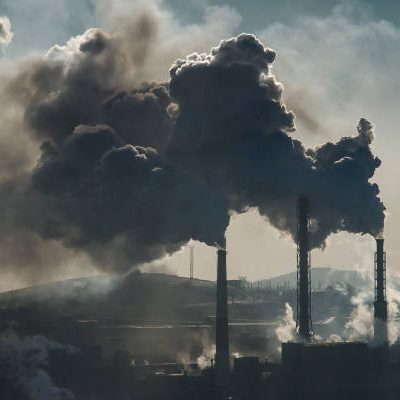
Airborne pollutants such as nitrogen oxides, particulate matter, and volatile organic compounds (VOCs) can have a detrimental effect on roofing materials. These pollutants originate from vehicle exhaust, industrial emissions, and the burning of fossil fuels. When they settle on your roof, they can contribute to the deterioration of roofing materials through chemical reactions and physical abrasion.

Urban Pollutants

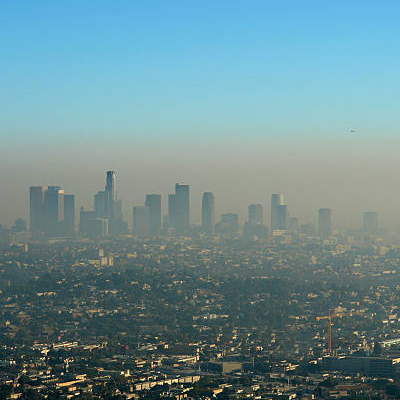
In urban areas, smog, soot, and industrial emissions contribute to higher levels of pollution. These pollutants can accumulate on roofs, especially flat surfaces, creating a layer of grime that holds moisture and promotes the growth of algae and moss. Over time, this can degrade the roofing material and reduce its effectiveness.

How Pollution Affects Your Roof

Photochemical Smog

Photochemical smog, common in sunny Australian cities with high traffic volumes, results from the reaction of sunlight with pollutants like nitrogen oxides and VOCs. While not as corrosive as acid rain, photochemical smog can still contribute to the degradation of roofing materials, particularly those susceptible to UV damage.

Effects of Pollution on Different Roofing Materials

Metal Roofs

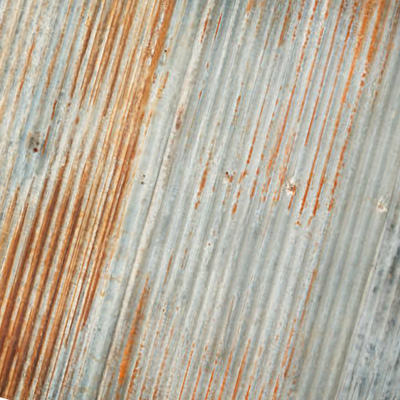
Metal roofs are susceptible to corrosion and rust when exposed to pollutants. Chemical reactions between pollutants and metal surfaces can lead to pitting and weakening of the metal. This corrosion not only affects the roof’s appearance but can also compromise its structural integrity, leading to leaks and potential failure.

Tile Roofs

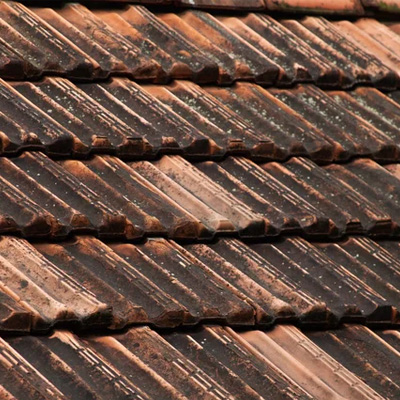
Tile roofs, commonly made from clay or concrete in Australia, can experience surface erosion due to pollution. Airborne pollutants can cause the tiles to become porous, leading to water absorption, cracks, and eventual breakage. Discoloration and staining are also common, affecting the aesthetic appeal of the roof.

How Pollution Affects Your Roof

Concrete Roofs

Concrete roofs can degrade over time when exposed to pollutants. The chemical reactions can weaken the concrete matrix, leading to reduced strength and increased susceptibility to cracking and spalling. This degradation can significantly shorten the lifespan of a concrete roof.

Flat Roofs (Membranes)

Flat roofs often use synthetic membranes like EPDM or TPO. These materials can break down when exposed to pollutants and UV radiation, resulting in brittleness, cracking, and loss of elasticity. This degradation can lead to leaks and water infiltration, causing damage to the underlying structure.

Signs of Pollution Damage

Discoloration and Staining

One of the earliest signs of pollution damage is discoloration or staining on the roof surface. Dark streaks, patches, or a general dingy appearance can indicate the accumulation of pollutants or the beginning of material degradation.

Material Degradation

Cracks, splits, or brittleness in roofing materials are signs that pollution may be affecting your roof. These issues can lead to water infiltration, which can cause further damage to the roof and the interior of your home.

How Pollution Affects Your Roof

Corrosion

Visible rust or pitting on metal components of the roof is a clear sign of corrosion due to pollution. This corrosion can spread and worsen over time, leading to structural weaknesses.

Algae and Moss Growth

Pollution can create an environment conducive to the growth of algae, moss, and lichen. These organisms retain moisture against the roof surface, promoting further degradation and potentially causing leaks.

What Preventative Measures Can You Take?

Regular Roof Inspections

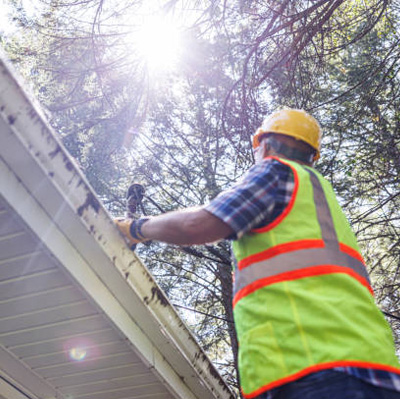
Scheduling regular roof inspections is crucial for early detection of pollution-related damage. Professional inspectors can identify signs of wear and recommend appropriate actions before minor issues become major problems.

Protective Coatings

Applying protective sealants or coatings to your roof can help resist pollutant absorption and chemical reactions. For metal roofs, anti-corrosive paints or coatings can extend the roof’s lifespan by preventing rust and corrosion.

How Pollution Affects Your Roof

Material Selection

When installing a new roof or replacing an existing one, consider choosing materials that are more resistant to pollution. For example, high-quality metal alloys or tiles with protective glazing can offer better durability in polluted environments.

Roof Cleaning

Regular cleaning of your roof removes accumulated pollutants, debris, and biological growth. This maintenance step helps prevent material degradation and maintains the roof’s appearance. It’s important to use appropriate cleaning methods to avoid damaging the roofing materials.

The Role of Location

Urban vs. Rural

Pollution levels vary significantly between urban and rural areas. In cities, higher concentrations of pollutants increase the risk of roof damage. Rural areas may have lower pollution levels but can still be affected by agricultural chemicals or dust.

Proximity to Industrial Areas

Homes located near factories, highways, or heavy traffic zones are more exposed to pollutants. In such locations, taking extra preventative measures and scheduling more frequent inspections is advisable to mitigate the increased risk.

How Pollution Affects Your Roof

Maintaining Roof Integrity in Polluted Environments

Pollution can have a profound impact on the longevity and performance of your roof. By recognizing the types of pollutants that affect roofing materials and implementing preventative measures, you can protect your investment and avoid costly repairs. Regular maintenance, professional assessments, and informed material choices are key strategies in combating pollution-related roof damage. Taking proactive steps today will ensure that your roof continues to safeguard your home for years to come.

Our roof inspectors have decades of experience working with residential and commercial clients in urban areas, with our roof condition reports outlining any and all issues with your roof in an easy to digest manner. If you are concerned about the impact that pollution is having on your roof, get in touch with Roof Inspection Reports to arrange an obligation free quote on your own peace of mind today. Contact Roof Inspection Reports by calling 0418 677 524 or get in touch with us online by clicking here.