How Metal Runoff Affects Gutters and Valleys

Water that drains from metal roof surfaces carries tiny amounts of dissolved metals, coating residues, and contaminants. As this runoff concentrates in valleys, gutters, and downpipes, it reacts with downstream materials and coatings. The result is accelerated wear at the very places that handle the highest flow. Many owners first notice the problem as odd staining near outlets or seam leaks that appear well before the rest of the roof shows age.

Certain combinations make the risk higher. Copper or lead components can shed ions that attack zincalume or painted steel downstream, while bare edges, scratched coatings, and debris traps hold reactive water in contact with the surface. Over time this chemistry drives gutter corrosion, pinholing in valleys, and related roofing damage that appears far from the original source. Managing metal runoff is therefore a design and maintenance issue, not just a cleaning task.
What “Metal Runoff” Means on a Roof

Metal runoff occurs when rainwater dissolves or transports small amounts of metal particles, protective coatings, or contaminants from roof surfaces. As water flows across sheets, fixings, flashings, and accessories, it picks up ions from the materials it touches. These ions continue moving into valleys, gutters, and downpipes, where they settle and react with different metals downstream.

When runoff meets materials that are not compatible, galvanic corrosion can begin. This process is driven by electrical potential differences between metals. The less noble metal corrodes faster, especially where water is repeatedly held against the surface. Runoff can also transport pollutants such as salt from coastal air, which speeds up deterioration. These chemical interactions explain why gutters and valleys often fail earlier than the roof surface itself, even when the roof appears intact.

How Metal Runoff Affects Gutters and Valleys

Materials Most Likely to Create Problematic Runoff

Runoff chemistry is strongly influenced by the surfaces it passes over. Some metals release ions that remain reactive as water moves toward valleys, gutters, and downpipes. When these ions reach materials that are not compatible, corrosion can accelerate, even if the downstream components are relatively new.

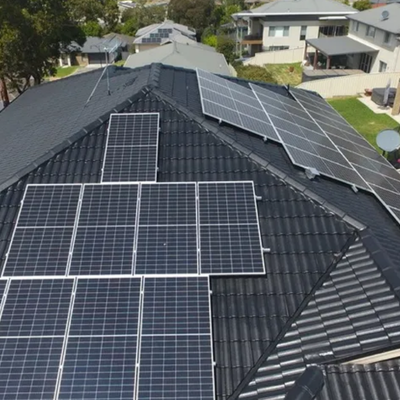
  • Copper fittings, flashing, or solar hardware can release ions that attack zincalume and painted steel components positioned below.
  • Lead products, including older flashing, can create runoff that discolours and weakens downstream metals and coatings.
  • Bare or damaged steel sheds reactive particles quickly, especially where coating breakdown has occurred.
  • Zinc-heavy surfaces, including weathered zincalume, can cause issues where runoff feeds into lower-grade metals.
  • Bitumen-based membranes and older sealants can leach residues that stain and soften coatings in gutters and valleys.
  • Treated timber in contact with roof components can release chemicals that increase corrosion under persistent moisture.
How Metal Runoff Affects Gutters and Valleys

These materials do not automatically create corrosion issues on their own. The problem arises when runoff flows toward incompatible metals or sits in areas where drainage is slow. Good detailing and material selection help prevent early failure in these high-flow zones.

Where Damage Appears First

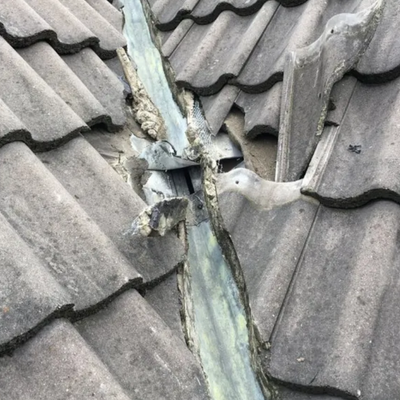
Runoff damage tends to show up in locations where water concentrates or slows as it leaves the roof surface. Valleys are often the first components to show deterioration because they collect water from multiple planes. When incompatible metals are positioned upstream, the runoff flowing into a valley can begin to attack the metal at laps, joints, or worn coating edges. Early symptoms include discolouration along the centre line, fine bubbling in paint, or small rust spots forming near overlaps.

Gutters are similarly affected, especially where flow changes direction or where debris holds water in place. Corners, stop ends, and outlets are frequent trouble spots. These areas see continuous wetting and drying, which increases the impact of corrosive ions carried by runoff. As the problem progresses, pinholes may form, coatings can lift, and seam joints begin to seep. Downpipes can also show early staining or thinning where runoff is consistently channelled into a single point.

How Metal Runoff Affects Gutters and Valleys

Signs Your Gutters and Valleys Are Being Attacked

Runoff issues often start subtly. Early indicators may be easy to overlook, especially when they occur below the main roof surface. Watching for the signs below helps prevent small problems from becoming costly failures.

  • Discolouration or streaking near outlets and valley seams can indicate chemical reaction or coating breakdown.
  • Pinholing along the valley base or gutter floor shows accelerated thinning of metal from ongoing corrosion.
  • Powdery white or green deposits signal chemical activity from metals such as zinc or copper interacting with downstream components.
  • Edge creep beneath painted surfaces appears where corrosion spreads under coatings near laps or fasteners.
  • Seepage at joints or corners suggests accumulated moisture is working through weakened seams.
  • Rusting fasteners or unusual staining at the first section of downpipe can show where reactive runoff is concentrating.
How Metal Runoff Affects Gutters and Valleys

These symptoms rarely improve on their own. Early intervention preserves the surrounding roof structure and prevents the need for broader replacement.

Design and Site Factors That Make Runoff Worse

Site conditions and roof design can intensify runoff-related deterioration. Low roof pitches slow drainage, allowing reactive water to sit longer in valleys and gutters. Where multiple roof planes discharge into a single valley, the increased flow concentrates dissolved metals and salts into a smaller section of the roof. This higher load accelerates coating breakdown and can lead to early corrosion, even when the roof surface upstream still appears sound.

Environmental exposure also plays a significant role. Homes near the coast experience constant salt deposition, which mixes with runoff and speeds corrosion in gutters, valleys, and downpipes. Complex roof geometry with tight laps, internal gutters, or poorly aligned outlets creates pockets where water stalls. Debris from trees or windblown dust traps moisture, keeping surfaces wet for longer periods. These factors combine to increase the rate at which gutter corrosion and valley rust develop.

How Metal Runoff Affects Gutters and Valleys

Prevention and Compatible Detailing

Managing metal runoff starts with selecting materials that work well together. When copper or lead is positioned upstream, gutters and valleys should be made from materials that tolerate the runoff without reacting. Protective coatings and sacrificial layers also help resist chemical activity where water collects. Good detailing reduces the number of contact points between incompatible surfaces and keeps moisture moving rather than pooling.

  • Use compatible gutter and valley materials when upstream components include copper or lead to prevent galvanic interaction.
  • Install protective coatings or sealants in high-flow areas where coating wear is likely, especially near laps or fasteners.
  • Fit runoff diverters to redirect water away from sensitive gutters or downpipes when incompatible metals cannot be avoided.
  • Keep fixings consistent so fasteners do not introduce new material conflicts along gutters or valleys.
  • Remove debris regularly to prevent water from sitting in contact with metal surfaces for extended periods.
How Metal Runoff Affects Gutters and Valleys

These strategies help safeguard gutters and valleys from the chemical effects of metal runoff. Planning for compatibility at installation is the most reliable way to avoid accelerated corrosion, while maintenance keeps small issues from spreading.

How We Inspect and Document Runoff Damage

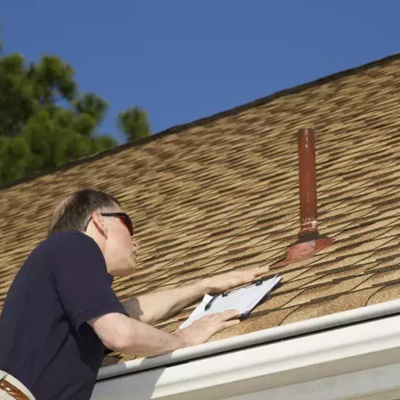
A professional roof condition report records where runoff originates and where it causes harm. We map roof planes, valleys, gutters, and outlets on a simple plan, then capture high-resolution images at each location with angles that reveal coating lift, pinholing, and staining. Raking light and close-ups help show denting, edge creep, and seam condition. Where water ingress is suspected, we pair exterior findings with interior photos and moisture readings to show the path from entry to ceiling or wall damage.

Material compatibility is assessed at every transition. We note upstream sources such as copper or lead components, identify gutter and valley metals, and check fasteners and sealants for potential conflicts. Each observation is labelled with a location, time stamp, and causation note, followed by an itemised scope that sets out targeted repairs and compatible replacements. This level of documentation gives owners, contractors, and insurers a clear record that supports accurate quoting and prevents repeat corrosion from the same metal runoff.

How Metal Runoff Affects Gutters and Valleys

Keep Gutters and Valleys Protected

Runoff chemistry can wear out gutters and valleys long before the main roof surface shows age. When incompatible materials sit upstream or water is allowed to stall, corrosion accelerates and small defects turn into leaks. Addressing these issues early protects internal linings, framing, and insulation, and helps avoid broad replacement later.

If you have noticed staining, pinholing, or early coating breakdown on your gutters or valleys in Brisbane, the Sunshine Coast, Moreton Bay, or the Gold Coast, we can help. Call 0418 677 524 or click here to contact us online to arrange a roof condition assessment. Our reports document material compatibility, visible deterioration, and recommended repairs so you can make informed decisions.

FAQ: How Metal Runoff Affects Gutters and Valleys

Rainwater dissolves or carries small amounts of metal particles, coatings, and contaminants from roof surfaces. When this runoff contacts incompatible materials downstream, it can accelerate corrosion.

Gutters and valleys handle concentrated water flow. Runoff collects here and stays in contact longer, increasing chemical reaction and speeding up coating breakdown.

Copper and lead are the most reactive when paired with zincalume or painted steel. Bare steel, weathered zinc surfaces, and some sealants can also contribute to downstream deterioration.

Staining, pinholing, bubbling coatings, powdery deposits, rusty fasteners, and seepage at joints are early indicators that runoff chemistry is affecting gutters or valleys.

Yes. Using compatible materials, maintaining clean gutters, applying protective coatings, and diverting runoff away from sensitive areas help prevent early corrosion.

Yes. A professional report identifies upstream sources, maps affected areas, and provides recommendations to prevent further deterioration.

Coastal properties face higher salt exposure. Salt mixes with runoff and increases corrosion rates, making gutters, valleys, and downpipes more vulnerable.