Hidden Roofing Risks Before Buying an Investment Property

Investment property decisions are often based on purchase price, rental yield, and visible condition at inspection time. Interiors, paintwork, and general presentation usually influence perception more than roofing performance, yet the roof controls the building’s long-term durability and ongoing maintenance exposure. When roof condition is assumed rather than evaluated, projected returns can shift quickly after settlement.

Hidden roof problems rarely appear dramatic at first. Minor deterioration, ageing components, or slow moisture entry may not affect immediate habitability but can trigger repair costs, access work, or tenant disruption soon after ownership begins. For investors, these early adjustments alter cash flow assumptions and can change the expected performance of the property within the first years of holding.
Why Roofing Risk Is Frequently Underestimated

Roofing risk is often underestimated because roofs tend to age gradually rather than fail suddenly. From ground level, a roof may appear straight, intact, and serviceable, giving the impression that no immediate work is required. Subtle coating wear, flashing deterioration, or fastener fatigue can exist without visible sagging or obvious water damage, which leads many buyers to assume the roof has substantial life remaining.

Another factor is timing. Roofing issues often sit in a transitional stage during property purchase, where deterioration has begun but internal symptoms have not yet appeared. This creates a window in which the roof looks acceptable for valuation purposes while carrying increasing maintenance exposure. Without a clear roof condition assessment, investors may base return projections on assumptions that do not account for near-term repair or restoration costs.

Hidden Roofing Risks Before Buying an Investment Property

Costs That Appear Soon After Settlement

For many investors, roofing expenses do not arise years into ownership but within the first months after settlement. Minor defects that were not prioritised during purchase can quickly become immediate repair items once tenants occupy the property or weather conditions change. These early costs often disrupt cash flow projections and introduce unexpected capital expenditure.

  • Urgent leak repairs to prevent internal ceiling or insulation damage.
  • Flashing or fastener deterioration requiring targeted rectification.
  • Coating breakdown that necessitates restoration sooner than anticipated.
  • Gutter and drainage corrections to prevent overflow and staining.
  • Temporary weatherproofing work before more comprehensive repairs.
  • Access and safety compliance costs associated with working at height.

While each issue may seem manageable on its own, the combined impact can alter the first year’s financial performance of the investment. Early roof repair expenses reduce available capital and can shift projected returns more than investors initially anticipate.

Active roof leak causing ceiling water damage in investment property

Yield Impact From Unplanned Roof Work

Unplanned roof work affects more than maintenance budgets. Scheduling repairs often requires coordinating contractors, access equipment, and suitable weather, which can delay tenant move-ins or interrupt existing leases. Even short vacancies or deferred occupancy can reduce expected rental income during the early ownership period.

Roof repairs may also restrict parts of the property while work is completed. Safety requirements can limit access to outdoor areas or require temporary relocation of tenants, creating inconvenience that influences lease renewals. When these factors combine with repair expenses, the overall return calculation shifts. What initially appeared to be a stable yield can change once roof-related disruptions are factored into holding costs and rental continuity.

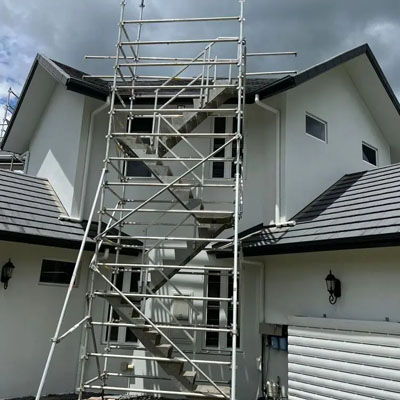
Scaffolding and access equipment set up for roof repairs increasing project costs

What Building Reports Often Don’t Cover

Building reports provide a broad overview of property condition, but roofing is usually assessed from limited access points. Inspectors often rely on visible surfaces, ground observations, or safe accessible areas rather than detailed examination of every roof component. This means gradual deterioration can be noted generally without identifying how soon attention may be required.

  • Restricted access to high or steep roof sections.
  • No lifting of sheets, tiles, or flashings to view concealed areas.
  • Moisture presence not visible without specialised assessment.
  • Ageing components described without repair timing estimates.
  • Observations based on visible defects rather than performance conditions.
  • Disclaimers regarding roofing lifespan and future performance.
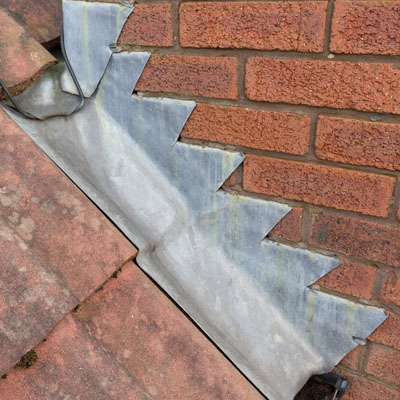
Roof flashing wear discovered during due diligence

These limitations do not make building reports inaccurate, but they leave a level of uncertainty around near-term maintenance exposure. Investors may therefore proceed with purchase decisions while key roofing costs remain undefined.

Negotiation Leverage Lost Without Roofing Knowledge

Purchase negotiations often focus on visible defects such as internal finishes, fixtures, or cosmetic wear because these items are easy to quantify and compare. Roofing condition, however, is harder to assess without specific evaluation, so it is frequently treated as acceptable unless major damage is visible. This can leave buyers agreeing on a price that assumes the roof has typical remaining service life.

When roofing deterioration becomes apparent after settlement, the opportunity to adjust the purchase price has already passed. Costs that could have informed negotiation instead become immediate ownership expenses. For investors, this shifts the acquisition from a calculated purchase to a reactive one, where repair funding must be sourced after contracts are finalised rather than accounted for during the transaction.

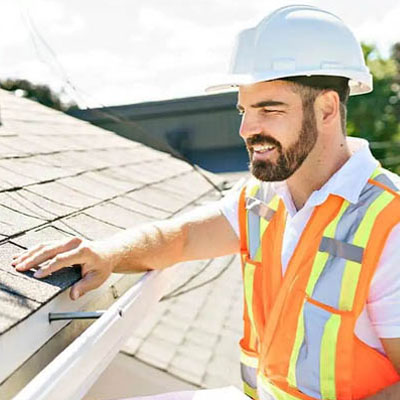
Building inspector assessing roof before contract finalisation

Older Roofs and Renovation Plans

Investors often plan cosmetic upgrades, layout improvements, or service additions soon after purchase. These plans typically focus on kitchens, bathrooms, flooring, or energy upgrades, while the roof is assumed to remain serviceable during renovation works. When roof condition has not been evaluated thoroughly, upgrade schedules can be disrupted by unexpected structural or waterproofing requirements.

  • Repainting or restoration works conflicting with planned interior upgrades.
  • Solar installation suitability affected by ageing roof materials.
  • Insurance requirements influenced by roof condition at policy renewal.
  • Structural loading considerations when adding new rooftop services.
  • Staged renovation timelines interrupted by urgent roof repairs.
  • Maintenance stacking, where multiple repair items arise simultaneously.

Roof condition plays a direct role in determining whether renovation budgets and timelines remain realistic. Addressing concealed roofing risks early allows investors to sequence improvements more effectively and avoid reactive adjustments to project planning.

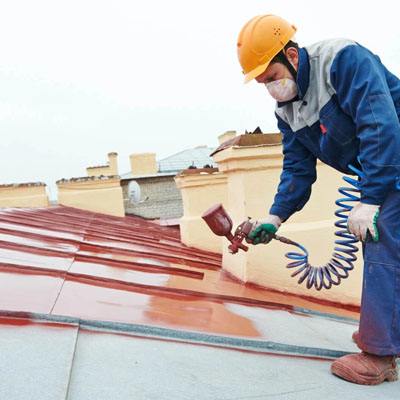
Metal roof being repainted during full roof restoration process

Clarifying Roof Condition Before Purchase Decisions

Clarifying roof condition before finalising a purchase helps investors move from assumption to defined risk. A roof-specific assessment provides clearer insight into coating wear, fastener condition, drainage performance, and remaining service life, allowing maintenance exposure to be factored into acquisition calculations. This level of detail supports more accurate forecasting of near-term capital expenditure and holding costs.

While general building reports provide useful context, a focused evaluation can highlight issues that may not be fully quantified in standard documentation. Where appropriate, investors may consider a pre-purchase roof inspection to gain clearer visibility into roofing risk before contracts are unconditional. Establishing condition history at this stage reduces uncertainty and supports more informed negotiation and budgeting decisions.

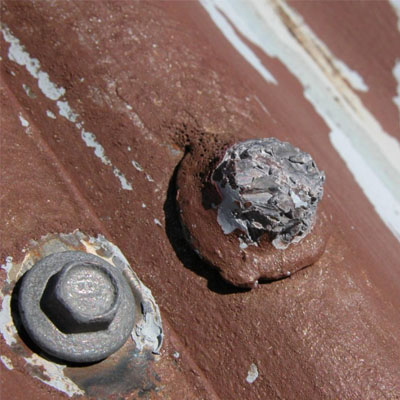
Corroded roof fasteners indicating concealed maintenance risk

Reducing Financial Surprises After Settlement

Even after purchase, establishing a clear baseline condition helps investors manage the property more predictably. Recording existing wear patterns, drainage behaviour, and maintenance priorities allows future changes to be tracked rather than guessed. This reduces uncertainty around when work is required and helps schedule repairs in a way that limits disruption to tenants and cash flow.

At Roof Inspection Reports, we provide roof condition reports that outline current condition and likely maintenance exposure so investors can plan rather than react. Call 0418 677 524 or click to call to arrange an assessment and bring greater certainty to your investment property ownership.

FAQ: Investment Property Roof Risks

Yes. Roof repairs often involve access equipment and weather dependency, which can increase cost and affect scheduling compared to internal maintenance items.

It can. Repairs may delay occupancy or require temporary tenant disruption, which can reduce expected rental return during the work period.

Building inspections provide useful general information, but they may not quantify roofing maintenance timing or near-term repair exposure.

Older roofs may carry higher maintenance exposure, so identifying remaining service life helps plan capital expenditure more accurately.

Yes. Insurers may consider roof condition when assessing coverage, exclusions, or excess levels.

Often within the early ownership period, particularly after the first significant weather events once the property is occupied.