Fastener Fatigue: Why Screws Fail Years Before the Roof Does
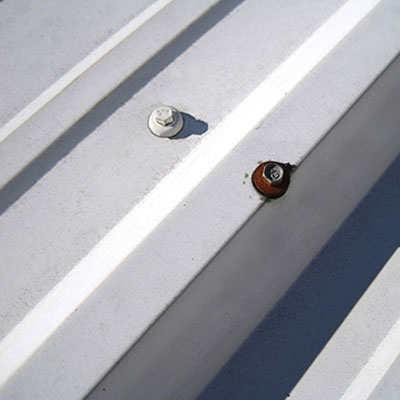
Roofing screws are small components, yet they carry a disproportionate amount of long-term stress across the entire roof system. While roof sheets, tiles, and framing can appear stable for decades, fasteners are constantly absorbing movement from wind pressure, temperature changes, and structural vibration. This ongoing load means roof fastener fatigue often develops quietly, long before any visible failure appears in the roofing materials themselves.
Unlike sudden storm damage, fastener failure is usually the result of repetition rather than impact. Wind cycles cause screws to flex, washers to compress, and fixing points to experience subtle movement thousands of times over their service life. As this process continues, roofing screw failure can occur even when the roof surface still looks intact and well maintained. This is why screws frequently become the weak point years before the roof itself shows signs of widespread deterioration.