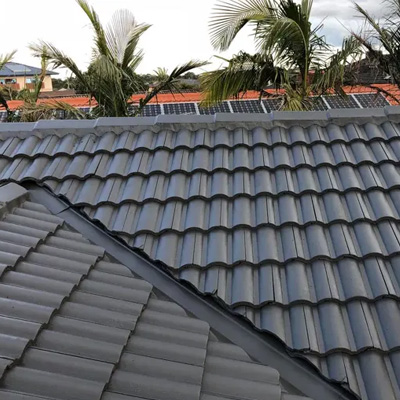
Dissimilar Metals & Materials in Roofing: Preventing Corrosion and Ensuring Longevity

When installing or maintaining metal roofing, understanding the potential issues associated with dissimilar metals & materials in roofing is critical. Dissimilar metals are materials with significantly different properties, which, when in direct contact, can lead to accelerated corrosion, especially in the presence of moisture acting as an electrolyte. For homeowners and construction professionals, being aware of these risks is key to maintaining structural integrity and compliance with Australian Building Standards.
What Are Dissimilar Metals and Why Do They Matter?

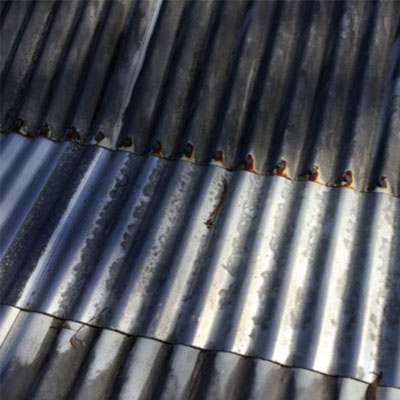
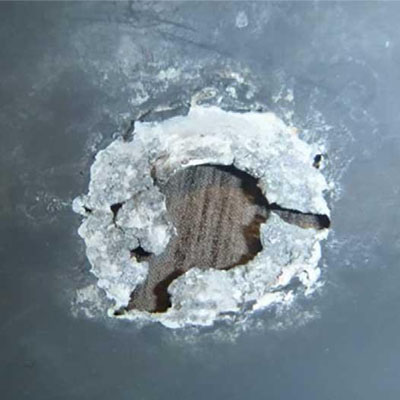
Dissimilar metals refer to metals with varying electrical potentials, which can cause galvanic corrosion when they interact in a wet environment. Common roofing metals like aluminum, copper, steel, zinc, and stainless steel each have distinct properties. When two or more of these materials touch and moisture is present, one metal corrodes faster than it normally would, causing serious structural and aesthetic issues.

Dissimilar Metals & Materials in Roofing: Preventing Corrosion and Ensuring Longevity

The Risks of Using Dissimilar Metals in Roofing

The use of dissimilar metals can lead to several significant problems:

  • Galvanic Corrosion: Accelerated corrosion occurs when metals of different potentials come into direct contact. This corrosion can rapidly deteriorate roofing components, reducing their functional lifespan and causing unsightly staining.
  • Reduced Structural Integrity: Corrosion weakens roofing materials, potentially leading to leaks or structural failure. Structural deterioration can compromise the safety of the building, increasing risks during severe weather events.
  • Increased Maintenance Costs: Early corrosion can necessitate frequent and costly repairs, impacting your long-term budget. Continuous repairs or replacements also increase overall maintenance demands, consuming valuable time and resources.

Proactively addressing these risks can save significant money and stress in the long run. Implementing preventive measures early on ensures that the roofing system remains durable and reliable, preserving property value and homeowner peace of mind.

Common Metal Combinations to Avoid

In metal roofing, certain combinations pose more significant risks than others. It’s essential to avoid pairing metals with notably different properties, including:

  • Copper and Steel: Copper significantly accelerates the corrosion rate of steel when exposed to moisture.
  • Aluminum and Copper: Aluminum corrodes rapidly in contact with copper, reducing its lifespan considerably.
  • Galvanized Steel and Stainless Steel: These materials, although individually resistant, can promote corrosion when directly paired without proper separation.

Consulting Australian Building Standards can provide further insights into safe metal combinations and recommended practices.

Dissimilar Metals & Materials in Roofing: Preventing Corrosion and Ensuring Longevity

Effective Solutions for Managing Dissimilar Metals

While using dissimilar metals might be unavoidable in certain situations, specific measures can significantly mitigate corrosion risks:

Use Appropriate Separators

Placing a non-conductive separator, such as plastic or rubber membranes, between different metals can effectively prevent galvanic corrosion. Ensuring proper separation is a practical, low-cost solution with a high impact on metal roofing longevity.

Select Compatible Metals

Whenever possible, select metals with similar electrical potentials to significantly minimize galvanic corrosion. Consult Australian Building Standards and metal compatibility charts during the planning phase of your roofing project to make informed choices.

Regular Metal Roof Inspections

Routine metal roof inspections by professionals can detect early signs of corrosion, allowing for timely interventions before severe damage occurs. Consistent inspections and maintenance extend roof lifespan and ensure structural safety.

Dissimilar Metals & Materials in Roofing: Preventing Corrosion and Ensuring Longevity

Ensure the Longevity of Your Roof – Schedule an Inspection Today

Protecting your roof from the risks associated with dissimilar metals requires careful planning, quality materials, and regular professional assessments. Schedule a metal roof inspection with Roof Inspection Reports today to ensure your roof remains safe, durable, and compliant with Australian Building Standards.
FAQ: Dissimilar Metals & Materials in Roofing

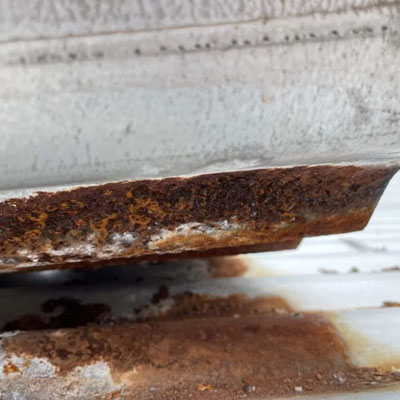
Galvanic corrosion happens when dissimilar metals come into direct contact in the presence of moisture or an electrolyte, causing one metal to corrode faster.

Prevent galvanic corrosion by using compatible metals, installing insulating materials between dissimilar metals, and scheduling regular professional metal roof inspections.

Yes, severe galvanic corrosion can compromise roofing integrity, potentially breaching Australian Building Standards. Regular inspections and correct material selection help ensure compliance.

Copper and aluminum, or copper and steel combinations, are among the most reactive and should generally be avoided without appropriate insulation.

Galvanic corrosion is irreversible. Damaged materials must be replaced, and protective measures should be taken immediately to prevent further issues.