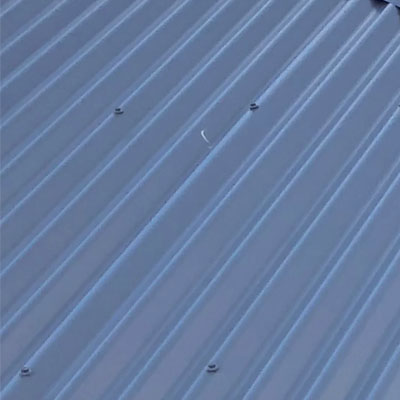
Dented Roof? Here’s What to Do Next

A dented roof can be more than just a cosmetic issue, it’s often the first sign of deeper structural damage. Whether caused by hail, falling branches, or recent foot traffic during maintenance, roof dents should never be ignored. Metal roofing in particular is highly susceptible to visible denting, which can affect not only the appearance but also the performance of the roof over time.

Prompt attention to a dented roof can help property owners avoid costly long-term repairs and position them better when seeking compensation for storm damage. That’s where a professional roof inspection becomes critical. By identifying the extent of damage and documenting it thoroughly, a roof condition report can serve as an essential tool for both repair work and insurance claims.

Common Causes of a Dented Roof

Several different incidents can lead to visible dents or hidden deformities in your roofing system. Identifying the source of the damage helps determine the appropriate repair path.

  • Hailstorms: One of the leading causes of a dented roof is hail impact. Even small hailstones can create dimples in metal roofing panels or dislodge protective granules on coated surfaces, exposing them to future corrosion.
  • Falling Tree Branches: Storms can snap heavy limbs or entire branches, which then crash into the roof with considerable force. These impacts often leave deep, localized dents and may even damage the roofing structure beneath.
  • Foot Traffic: Walking on the roof without proper support or during inspections can create uneven pressure points. This is particularly problematic on metal roofing, where weight distribution is critical to prevent denting.
  • Improper Installation: Poor workmanship or the use of incompatible fasteners can stress panels and components. Over time, this can cause distortions or dents, especially under thermal expansion.
Dented Roof? Here's What to Do Next

Each of these sources contributes to a different pattern or type of damage. Knowing which event is likely responsible can help streamline both the inspection and insurance process.

Why You Should Take Dents Seriously

While some dents may appear minor or merely cosmetic, they often signal underlying issues that could affect the entire roofing system. For example, storm damage doesn’t always leave large holes, it frequently begins with small deformations that worsen over time as moisture enters through weakened seams or joints.

If the dented area interrupts water flow or creates pooling zones, the risk of leaks and corrosion increases. This is especially true for metal roofing, which relies on precise angles and water-shedding profiles. Ignoring these dents can allow the damage to expand undetected until it becomes a costly problem.

A professional roof inspection will reveal not only visible dents but also adjacent areas where structural integrity may be compromised. If you’re considering an insurance claim, these detailed findings offer crucial support by documenting what occurred, when, and how it may impact your property.

Dented Roof? Here's What to Do Next

What to Look for During a Roof Inspection

After a major weather event or impact incident, a detailed roof inspection is the best next step. A qualified inspector will evaluate both surface-level and structural issues.

  • Extent of Denting: Inspectors will check whether the dents are isolated or widespread and if they align with known storm paths or impact points.
  • Panel Distortion or Warping: Especially in metal roofing, dented panels may also show signs of stress in surrounding areas—indicating a need for partial or full panel replacement.
  • Fastener Loosening or Damage: Impacts can loosen nails, screws, or clips. These weak points become vulnerable to future water ingress or uplift in strong winds.
  • Adjacent Material Damage: A dented roof often leads to broken seals, cracked coatings, or displaced insulation. These secondary issues are also documented during inspection.
  • Photographic Documentation: Photos are taken from multiple angles to clearly show damage size, location, and pattern for inclusion in a roof condition report.
Dented Roof? Here's What to Do Next

Inspections aren’t just about identifying visible damage, they help build a case for action, whether it’s immediate repair or insurance-supported replacement.

Repair or Replacement: What Comes Next?

Once the inspection is complete, the next step is deciding how to address the dented roof. The path forward depends on the severity, location, and extent of the damage. In many cases, only the affected panels need replacement, especially for modular metal roofing systems.

Where multiple dents are spread across large sections, a full panel or section replacement may be more cost-effective in the long run. Small dents that don’t compromise waterproofing might be repaired with specialized tools, but only if they don’t affect nearby seams or fasteners.

Having a comprehensive roof condition report helps you make informed decisions. It also gives roofers and insurers the detailed context they need to act quickly and fairly.

Dented Roof? Here's What to Do Next

Talk to the Experts for a Proper Roof Assessment

If your property has been through a storm or you’ve noticed visible dents on your roof, don’t wait. A dented roof can easily lead to bigger structural issues if left unchecked. Our experienced team conducts detailed inspections across South-East Queensland and provides comprehensive roof condition reports trusted by insurers and builders alike.

We help homeowners and property managers assess the real impact of storm damage and other denting events so they can move forward with repairs, replacements, or claims with confidence. To talk to an experienced roof inspector about the condition of your roof, give Roof Inspection Reports a call on 0418 677 524 or you can click here to contact us online.

Frequently Asked Questions

In some cases, yes—but even minor dents may reduce the roof’s ability to shed water or resist wind. It’s best to get it professionally assessed.

If the damage was caused by a storm or falling object, insurance may cover it. A roof condition report strengthens your claim.

Most inspections take between 1–2 hours, depending on the size and complexity of the roof.

Metal is more prone to visible dents, but all roofing types can suffer impact damage that weakens their structure over time.

Our reports include photos, location-specific damage descriptions, recommendations for repair, and useful data for insurance or trades.