Dektites & Roof Inspections – Common Issues in Roof Penetration Seals

Maintaining your roof’s integrity is crucial, especially around roof penetrations where leaks are most likely to occur. Dektites play an essential role in ensuring these penetrations are watertight. Knowing the purpose and function of Dektites, along with common issues they face, can help in maintaining a durable and leak-free roof.

What Are Dektites?

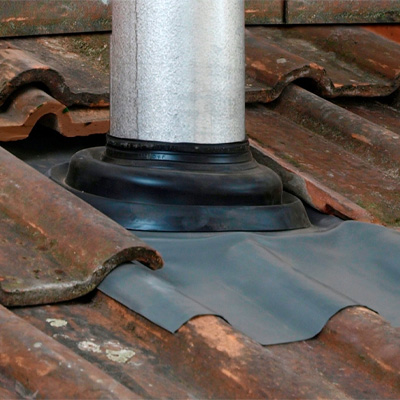
Dektites are specialised flashing products designed to create a watertight seal around pipes and other roof penetrations. They play a crucial role in maintaining the integrity of roofing systems by preventing water from entering through gaps where penetrations pass through the roof surface. 

Here are some key aspects of Dektites:

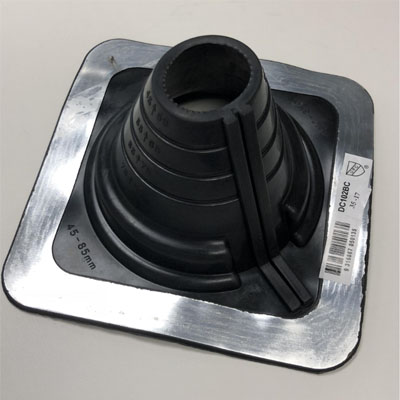
Materials Used: Dektites are typically made from durable, weather-resistant materials such as silicone or EPDM (Ethylene Propylene Diene Monomer). These materials are chosen for their flexibility, UV resistance, and ability to withstand extreme temperatures. Silicone Dektites are particularly favoured for their high-temperature resistance and longevity, while EPDM is valued for its durability and cost-effectiveness.

Dektites & Roof Inspections

Design Features: The design of a Dektite includes a flexible cone or sleeve that can be cut to fit the diameter of the pipe or penetration snugly. This flexibility allows for a custom fit around various sizes of pipes, cables, or other roof penetrations. The base of the Dektite is usually made from aluminium or a similar flexible metal, which can be moulded to conform to the contours of the roofing material, ensuring a secure seal.

Typical Applications: Dektites are used in a wide range of applications on both residential and commercial roofs. They are commonly installed around plumbing vents, electrical conduits, flue pipes, and antenna mounts. Their ability to provide a watertight seal makes them essential for any roof penetration that could potentially allow water ingress.

Benefits: Dektites offer several benefits that make them a preferred choice for sealing roof penetrations. Their flexible design accommodates thermal expansion and contraction, maintaining a watertight seal over time. The materials used in Dektites are resistant to UV radiation and harsh weather conditions, ensuring long-lasting performance. Additionally, their ease of installation and ability to fit a wide range of penetration sizes make them a versatile and reliable solution for roofing professionals.

Common Issues Found with Dektites During Roof Inspections

Roof inspections often reveal several common issues with Dektites, including:

Improper Installation

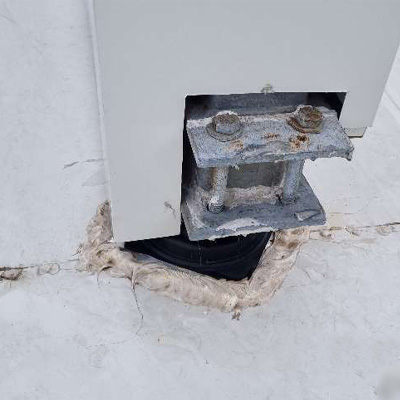
Improper installation is a frequent issue with Dektites. If the Dektite is not cut correctly to fit the pipe or penetration, or if the base is not secured properly to the roof, it can lead to leaks. Ensuring the correct sizing and secure installation is critical for an effective seal.

Material Degradation

Over time, the materials used in Dektites can degrade due to UV exposure, extreme temperatures, and harsh weather conditions. This degradation can cause the Dektite to crack, harden, or lose flexibility, resulting in leaks. Regular inspections can identify early signs of material degradation, such as cracking or hardening, allowing for timely replacements.

Thermal Movement

Roofing materials expand and contract with temperature changes. If the Dektite cannot accommodate this movement, gaps can form around the penetration, leading to leaks. It is important to use Dektites designed to handle thermal movement and ensure they are installed correctly to maintain a watertight seal.

Wear and Tear

Environmental exposure, debris, and foot traffic can cause wear and tear on Dektites. Physical damage such as cuts or punctures can compromise the seal. Regular roof inspections and maintenance can help identify and repair any damage, preventing further issues.

Improper Sizing

Using the wrong size Dektite can lead to an ineffective seal. It is crucial to select the correct size and cut it accurately to fit the penetration snugly. Ensuring proper sizing during installation can prevent leaks and prolong the life of the roof penetration seal.

Chemical Exposure

Exposure to certain chemicals, such as those found in industrial environments or specific cleaning agents, can degrade Dektite materials. Preventing chemical degradation involves selecting materials resistant to chemical exposure and placing Dektites away from harmful substances.

Roofing Material Compatibility

Dektites must be compatible with the specific roofing material to ensure effective adhesion and sealing. Ensuring compatibility during installation can prevent issues with adherence and leaks, maintaining a durable seal.

Age and Maintenance

Dektites have a finite lifespan and require regular inspections to identify signs of wear, degradation, or damage. Regular maintenance, including cleaning and resealing, can prolong the effectiveness of Dektites and prevent leaks.

Dektites & Roof Inspections

Roof Inspections Are Key to Maintaining Effective Roof Penetration Seals

Professional roof inspections are essential for identifying and diagnosing issues with Dektites. Experts provide detailed inspection reports and recommendations for repairs, ensuring compliance with building standards and regulations. Engaging professional services can help maintain the long-term integrity of your roof penetration seals which is imperative as properly installed and maintained Dektites are crucial for preventing leaks and ensuring longevity. 

At Roof Inspection Reports we have over 20 years of experience inspecting roofing and attachments such as Dektites. Our comprehensive roof condition reports will outline any areas of concern we find, along with suggestions for rectifying these issues. To arrange an obligation free quote for a roof inspection you can rely on, get in touch with Roof Inspection Reports on 0418 677 524 or get in touch with us online by clicking here.

Dektites & Roof Inspections