Cosmetic vs Functional Roof Dent Damage

Dents are common on metal roofs and are often dismissed as purely visual marks. Hail, foot traffic, fallen branches, and maintenance activity can all leave small impressions across roof sheets without immediately affecting habitability. Because the roof still appears intact and watertight, many dents are assumed to have no practical consequence.

However, some roof dent damage alters how the roof performs rather than how it looks. Changes to sheet shape can affect drainage paths, coating behaviour, and stress distribution around fixings and laps. Distinguishing between cosmetic roof damage and functional roof damage helps determine whether the roof’s lifespan and reliability have been affected.
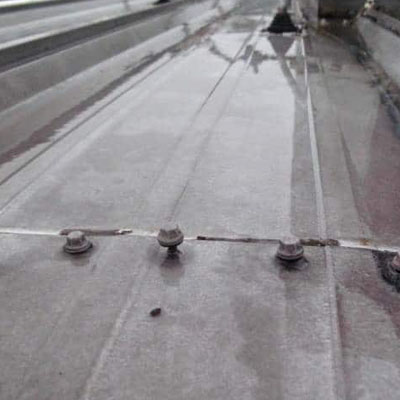
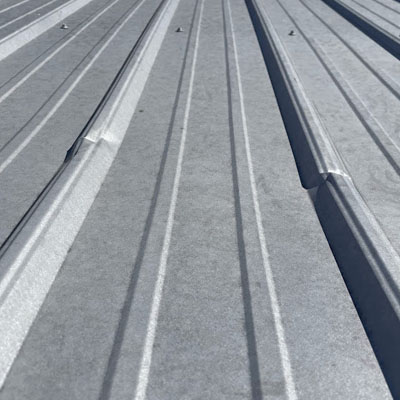
Why Not All Roof Dents Are Equal

Metal roofing is designed to shed water along controlled paths, maintain protective coatings, and distribute loads evenly across the sheet profile. A dent changes the shape of that profile. Sometimes the change is minor and does not influence performance, but in other cases it redirects water, concentrates stress, or disrupts protective layers. The visual size of a dent does not always match its practical impact.

Because roofs operate as systems rather than flat surfaces, location matters as much as depth. A shallow mark in a dry section of sheet may remain harmless, while a similar dent near a lap, fixing point, or drainage line can influence long-term behaviour. Evaluating roof dent damage therefore requires looking at how the deformation interacts with movement, runoff, and material protection rather than judging appearance alone.

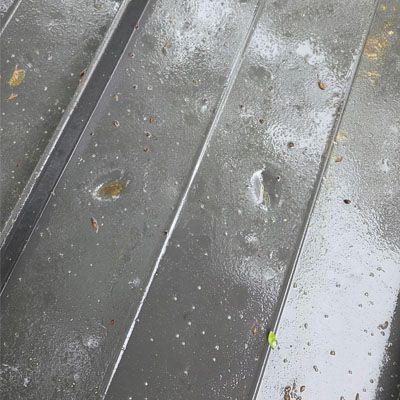
Surface level roof dent not affecting water flow

Cosmetic Dent Damage

Many dents affect only the appearance of the roof and do not change how it performs. These marks occur where the sheet profile remains intact and water continues to drain normally. While noticeable from certain angles or lighting conditions, they do not alter coating protection or structural behaviour.

  • Shallow hail dimples that do not break the coating surface.
  • Minor foot traffic impressions in flat sections between ribs.
  • Soft oil-canning distortions caused by temperature movement.
  • Isolated marks in non-drainage areas of the sheet profile.
  • Surface impressions without cracked paint or exposed metal.
  • Small isolated dents away from laps, flashings, and fixings.
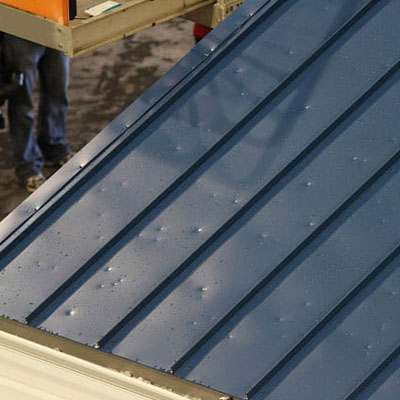
Roof dent away from fasteners and laps

These types of dents are considered cosmetic because they do not affect weatherproofing or lifespan on their own. The roof continues to perform as intended, even though its appearance has changed.

Functional Dent Damage

Functional dent damage occurs when deformation changes how the roof handles water, movement, or load distribution. Unlike cosmetic marks, these dents interfere with the designed profile of the sheet, which can alter drainage paths or place added stress on fixings and joints. The issue is not the dent itself but the behaviour it introduces over time.

Dents located along water flow lines, near laps, or beside fasteners can hold moisture longer after rainfall or direct runoff toward vulnerable points. Repeated wetting in these areas can accelerate coating wear and encourage corrosion. In other cases, distortion may cause sheets to flex unevenly, placing additional strain on fasteners or flashings. Functional roof dent damage therefore relates to performance change rather than visual severity, and its effects may develop gradually rather than immediately.

Cosmetic vs Functional Roof Dent Damage

Dents That Lead to Future Problems

Some dents appear stable at first but create conditions that gradually worsen with weather exposure and roof movement. These are not immediate failures, yet they introduce weak points where deterioration is more likely to begin. Over time, repeated wetting, expansion, and vibration can turn minor deformation into ongoing maintenance issues.

  • Coating fracture points where paint film has stretched or micro-cracked.
  • Water ponding areas that retain moisture after rainfall.
  • Deformed laps that reduce overlap effectiveness.
  • Distorted flashings that lose consistent contact pressure.
  • Fastener strain where sheets no longer sit evenly.
  • Gutter edge distortion altering runoff entry.
Shallow hail dents on metal roof without coating damage

These dents often progress slowly and may not be noticed until corrosion or leakage develops. Identifying them early helps distinguish stable cosmetic marks from areas likely to shorten roof lifespan.

Insurance Assessment Differences

Insurance assessments often distinguish between cosmetic and functional roof dent damage because coverage typically relates to performance, not appearance. Dents that do not affect weatherproofing, drainage, or structural behaviour are commonly classified as cosmetic, meaning the roof continues to operate as intended despite visual changes.

When dents alter sheet shape in a way that affects water flow, coating integrity, or fixing stability, they may be treated differently. Functional deformation can be linked to accelerated deterioration or future leakage risk, which becomes relevant during claim evaluation. In these situations, documentation from roof inspections for insurance claims can help clarify whether the damage affects performance rather than appearance alone. The assessment therefore focuses on whether roof dent damage changes performance characteristics rather than how noticeable the dents appear from the ground.

Roof dent impact on drainage and sheet profile

When Dents Affect Roof Lifespan

Roof dent damage affects lifespan once material ageing patterns become uneven rather than theoretical. At this stage the dent is no longer a potential weak point but an active source of accelerated wear. The surrounding roof may continue ageing normally while the distorted area deteriorates faster, creating a mismatch in service life across the same sheet.

  • Corrosion beginning at stretched coating edges.
  • Repeated flex fatigue in deformed sheet sections.
  • Fasteners loosening due to concentrated movement.
  • Flashings losing seal pressure from uneven contact.
  • Protective coating wearing away along redirected runoff.
  • Persistent dampness in areas where drainage no longer clears fully.
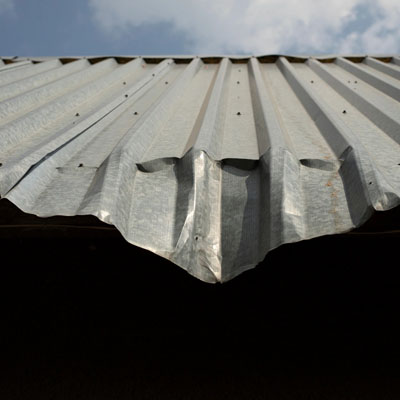
Roof sheet deformation increasing future leak risk

When these conditions appear, the dent has moved beyond a monitoring concern and becomes a lifespan issue. Maintenance planning shifts from observation to intervention because deterioration is already underway.

What an Inspection Evaluates

An inspection focuses on how dented areas behave rather than how they appear. The position of the dent relative to drainage lines, fixings, laps, and flashings is assessed to determine whether the sheet profile still performs as intended. Attention is given to coating condition, moisture retention patterns, and whether movement has become concentrated around the deformation.

A roof condition report documents which dents are stable cosmetic marks and which may influence performance over time. Recording these distinctions helps track changes after weather events and provides context if deterioration develops later. This approach allows roof dent damage to be managed based on behaviour and risk rather than appearance alone.

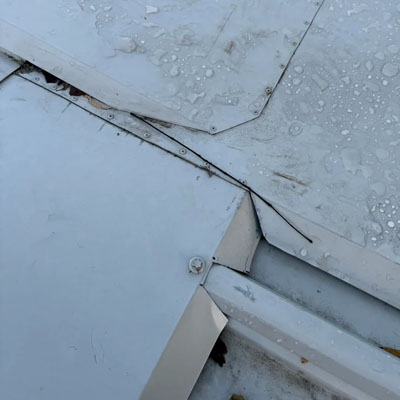
Roof dent risk evaluation during due diligence

Addressing Dent Damage Early

Addressing roof dent damage early allows minor performance changes to be monitored before they develop into broader deterioration. Tracking drainage behaviour, coating wear, and fixing movement around dented areas helps determine whether conditions are stable or progressing. Early attention can prevent localised corrosion or seal stress from expanding into more extensive repairs.

At Roof Inspection Reports, we assess dent location, performance impact, and surrounding material condition within a roof condition report so decisions can be based on evidence rather than appearance. Call 0418 677 524 or click to call to arrange an inspection and confirm whether roof dents are cosmetic or affecting long-term performance.

FAQ: Cosmetic vs Functional Roof Dent Damage

Not always. Many hail dents are cosmetic and do not affect roof performance, but dents in drainage paths or near fixings may lead to deterioration over time.

Yes. Dents that retain moisture or strain flashings and fasteners can contribute to future leakage even if no immediate water entry is present.

Cosmetic damage is often treated differently from functional damage. Coverage typically depends on whether the dent affects weatherproofing or structural behaviour.

Immediate repair is not always required, but dents influencing drainage or coating condition should be assessed to prevent progression.

The number is less important than location and behaviour. A few dents in critical areas can matter more than many in low-risk zones.

Yes. Dents that concentrate movement or moisture can accelerate coating wear and corrosion, reducing service life.