Can Poor Roof Work Affect Insurance Claims in Australia?

Poor roof work often goes unnoticed until a leak, storm event, or internal water damage brings the roof under closer scrutiny. A roof may look sound from the ground and still contain installation defects, poor detailing, or non-compliant work that only becomes more serious once an insurance claim is involved. What might have seemed like a minor issue can quickly turn into a larger question about cause, responsibility, and the true condition of the roof.

This is where things become more complicated for property owners. When damage occurs, the focus is no longer just on whether the roof has failed, but on whether defective work, ageing, or a specific insured event contributed to the problem. Poor roof work can affect how clearly that damage is assessed, which is why roofing defects and compliance issues can become highly relevant once a claim is on the table.
What Counts as Poor Roof Work?

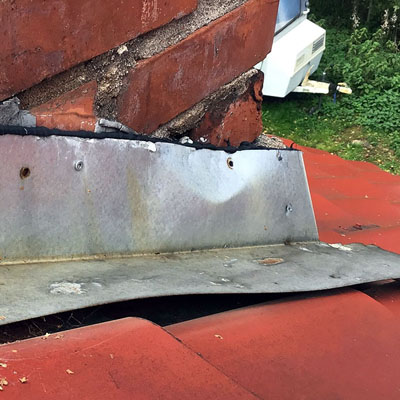
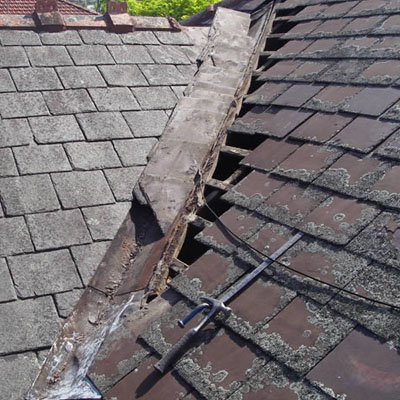
Poor roof work can include a wide range of defects, from obvious installation mistakes to subtler detailing issues that affect how the roof performs over time. Common examples include incorrect flashing installation, poorly sealed penetrations, inadequate drainage provisions, reduced laps, incompatible repair materials, and other work that does not suit the roof profile or layout properly. In some cases, the problem is not the roofing material itself but the way different parts of the system have been put together.

In Australia, these issues can become more significant when the work falls short of accepted installation requirements, manufacturer specifications, or the Australian standards that apply to the roofing system. A roof may still appear serviceable for a period while carrying defects that increase the risk of leaks, overflow, corrosion, or water entry. That is why poor roof work is not always about visible failure straight away, but about whether the roof has been installed and detailed in a way that allows it to perform as intended.

Poor roof work can include a wide range of defects

How Poor Roof Work Can Affect an Insurance Claim

Roofing defects can become much more significant once an insurance claim is involved. When water damage, leaks, or storm-related issues are being assessed, attention often turns to what caused the problem, how long it may have been developing, and whether the damage relates to a specific event or an existing defect in the roof system.

Poor roof work can complicate that process in several ways:

  • Questions over whether the damage was caused by storm or pre-existing defects
  • Disputes about whether poor workmanship contributed to the loss
  • Reduced clarity around what repairs relate to the insured event
  • Extra scrutiny where leaks appear around flashings, gutters, or penetrations
  • Difficulty separating sudden damage from long-term deterioration

Poor roof work does not automatically determine the outcome of an insurance claim, but it can make the cause of damage harder to assess. That added uncertainty is one reason roofing defects, installation quality, and overall roof condition can become much more important once a claim is being reviewed.

Storm Damage vs Pre-Existing Roofing Defects

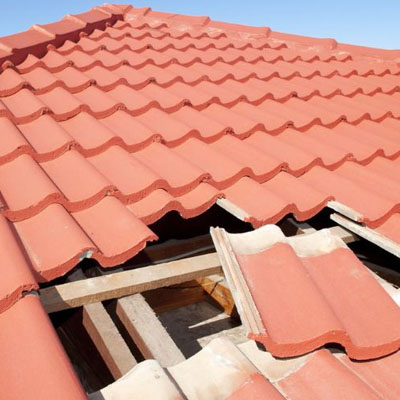
Storm damage and poor roof work often become connected during insurance claims because the insurer may need to determine whether the storm caused the damage on its own or whether existing defects in the roof had already weakened its performance. A storm may be the event that brings the problem to light, but that does not always mean it was the only cause. If the roof already had poor flashing, drainage defects, bad repairs, or other workmanship issues, those problems may have contributed to the damage that followed.

This is what can make roofing claims more complicated than they first appear. Water entry after a storm may seem straightforward, but questions can arise around whether the roof failed because of the weather event alone or because pre-existing defects made it more vulnerable. That distinction can affect how the damage is assessed and why the condition of the roof before the event can become an important part of the discussion.

Damage caused by a storm

Common Roofing Problems That Can Raise Questions During Claims

Some roofing defects are more likely than others to attract attention when a leak or water damage is being assessed as part of an insurance claim. These are usually the issues that affect how water is controlled, how roof sections are sealed, or whether the roof has been altered or repaired in a way that may not perform as intended.

Common roofing problems that can raise questions during claims include:

Defective flashing can affect future insurance claims

When these types of defects are present, it can become harder to determine whether the damage was caused by a single insured event or whether the roof already had underlying weaknesses. That is why defects like these often become a key part of the discussion once a claim is being reviewed.

Why Documentation Matters

Once an insurance claim is involved, clear documentation can make a significant difference in how the condition of the roof is interpreted. Without a record of existing defects, past repairs, or visible signs of deterioration, it can be much harder to separate recent damage from issues that may have already been present. That lack of clarity can leave more room for disagreement about what happened and when.

Good documentation helps create a clearer picture of the roof before and after a problem arises. Inspection findings, dated photos, repair records, and roof condition reports can all assist in showing whether the issue appears linked to storm damage, ongoing deterioration, or earlier defective work. When questions around causation start to matter, that kind of detail can become especially valuable.

When a Roof Inspection Report Helps

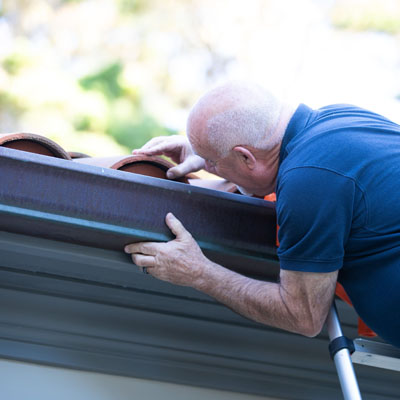
A roof inspection report can be helpful when there are concerns about roof condition, possible defects, or questions around how the roof may perform over time. It provides a clearer view of visible issues across the roof and can help identify defects that may not be obvious during a casual visual check from the ground. Roof condition reports also assist in resolving disputes with the tradies who carried out the work.

This can become especially useful when a leak, storm event, or insurance question brings the roof under closer attention. A detailed roof condition report helps document what is visible at the time of inspection and can give property owners a clearer basis for maintenance decisions, repairs, or further investigation where needed.

A professional roof inspection report can avoid unnecessary problems when it comes time to lodge an insurance claim

Identifying Roof Issues Before They Affect a Claim

Roof problems are easier to deal with when they are identified before they turn into larger repair costs, internal damage, or insurance complications. Getting clarity early can help property owners make informed decisions about maintenance, repairs, and whether further action may be needed before a defect becomes more serious.

At Roof Inspection Reports, we provide detailed roof condition reports across South-East Queensland to help property owners better understand the condition of their roof. If you want clearer answers about visible defects, roofing concerns, or areas that may need attention, contact our team to arrange a roof inspection report.

FAQ: Poor Roof Work Affect Insurance Claims

Yes. Poor roof work can become relevant if an insurer needs to assess what caused the damage and whether pre-existing defects contributed to the problem. A roof may have visible water damage after a storm, but questions can still arise if defective installation, poor repairs, or drainage issues were already present.

That depends on the policy, the cause of the damage, and how the issue is assessed. If the leak is linked to poor workmanship, pre-existing defects, or long-term deterioration rather than an insured event, that may affect how the claim is considered.

Storm damage is linked to a specific weather event, while a pre-existing roof defect is a condition that was already affecting the roof before that event occurred. A storm may expose the problem, but the roof may also have had underlying weaknesses that contributed to the outcome.

Yes. Non-compliant roofing can raise questions about installation quality, existing defects, and whether the roof was already vulnerable before the damage became obvious. This can make the cause of the problem harder to assess during a claim.

A roof inspection report can help document visible roof condition and defects at the time of inspection. That information may be useful when property owners need a clearer picture of the roof’s condition, possible defect areas, or issues that may need further attention.

They can. Patch repairs, incorrect flashing work, poor sealing, or other inadequate fixes may not solve the source of the problem and can create more uncertainty later if damage occurs again.